






















 GENERATION GENIUS




Science & Math
$/yr
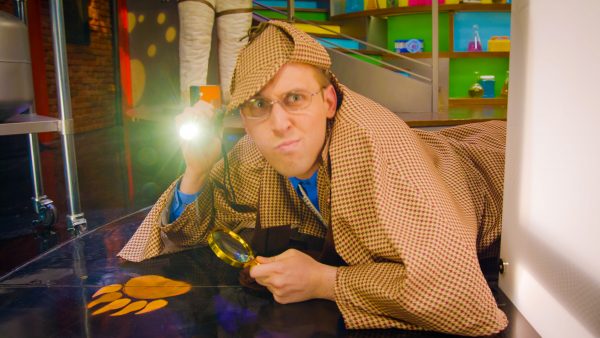
Evidence is a clue that something is true. For example, scientists conduct experiments to support ideas.
View Lesson on What Is Science? (K-2 Version)
If you are on a school computer or network, ask your tech person to whitelist these URLs:
*.wistia.com, fast.wistia.com, fast.wistia.net, embed-fastly.wistia.com, embed-cloudfront.wistia.com, embedwistia-a.akamaihd.net
Sometimes a simple refresh solves this issue. If you need further help, contact us.
Learning about why evidence is important in science can help you see how new things are created and discovered. For example, Thomas Edison made the light bulb and Dr. Marie Curie studied radioactivity using evidence in their work. This shows how evidence helps make new technologies and medical discoveries that make our lives better. Using evidence to make decisions is key in many jobs.
Evidence is important not just for scientists but also in schools where students can help us learn more about the world. A kid finding a mastodon tooth is an example of this. It shows that evidence is key in many areas like paleontology (studying ancient life), chemistry, and ecology (study of living things and their environment). Evidence helps answer questions and support ideas.

In this lesson, we learn that:


Skip, I will use a 3 day free trial
Enjoy your free 14 days trial