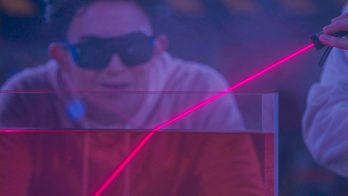
All waves have properties like amplitude, wavelength and frequency. Sound waves need matter to travel through. Light waves can travel through empty space. Waves interacting with matter can be reflected, absorbed, transmitted and refracted.
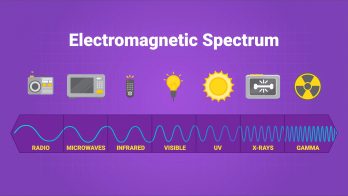
Electromagnetic radiation is a type of wave that transfers energy. It includes radio waves, microwaves, infrared waves, visible light, UV light, X-rays, and gamma rays. The difference between all of these is the wavelength of the radiation.
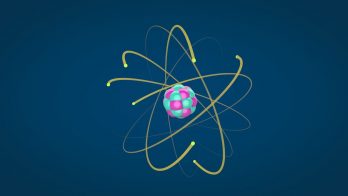
Everything around us is made of atoms and molecules. An atom is the basic unit of an element. It consists of protons, neutrons and electrons. Atoms can combine to form molecules as simple as water or as complex as DNA.
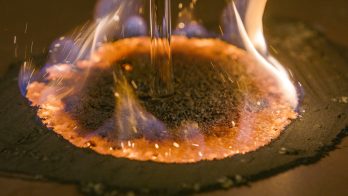
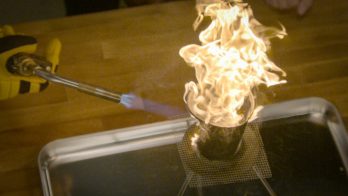
All atoms are constantly vibrating because they have thermal energy. Adding or removing thermal energy can change the state of matter. Chemical reactions can release or absorb thermal energy.
Elements are pure substance made of only 1 type of atom. Each element has properties that can be used to identify it. All elements are arranged in rows and columns on the periodic table.
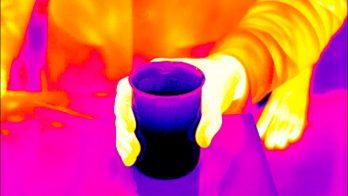
Heat is the transfer of thermal energy from one object to another. Heating can occur by conduction, convection and radiation. Some materials can store more thermal energy than others.
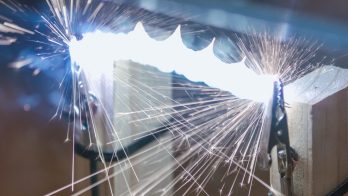
Electricity is the flow of electrical energy from one place to another. Electricity flows through conductors, but it cannot flow through insulators. A closed circuit is needed for electricity to flow and power our electronics.
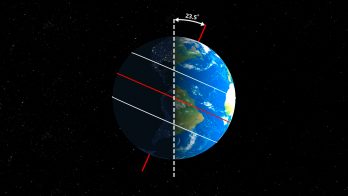
Earth spins on its axis, which is tilted by 23.5 degrees. This tilt causes places on Earth to experience different intensities of sunlight at different times of year. That leads to changes in temperature, which results in seasons.
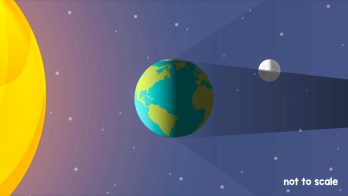
A model of the solar system can explain eclipses of the sun and the moon. A solar eclipse happens when our view of the sun is blocked by the moon. A lunar eclipse happens when the moon passes into Earth's shadow.
"My students loved the videos. I started the video subscription in May and used them as a review before the state test, which I know contributed to 100% of my class passing the state test."