Spring into Life Cycles Science Resources for Kids K-8
Spring into
Life Cycles! 🌱
Spring is the perfect time to explore how living things grow and change! This hub brings together Generation Genius video lessons, hands-on DIY activities, and printable resources that help students discover the life cycles of plants, animals, and insects through real-world observations and fun experiments.

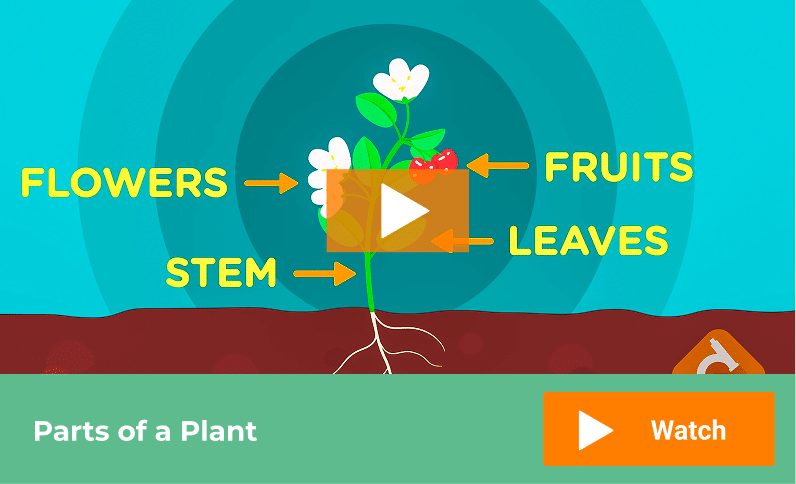
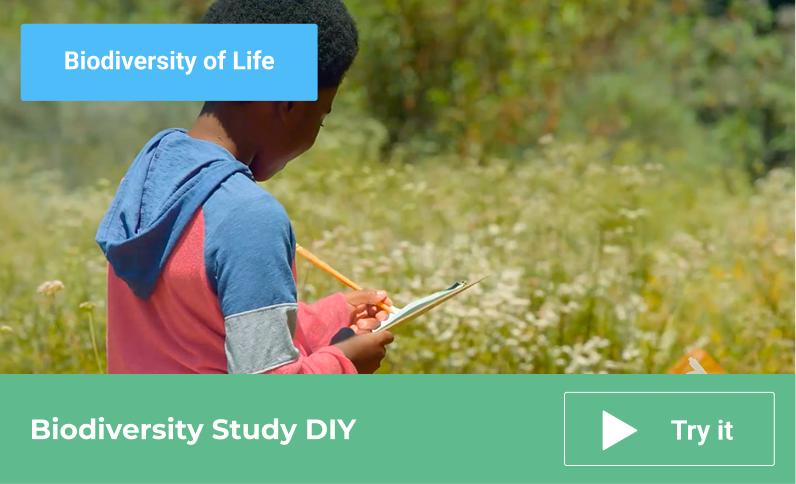
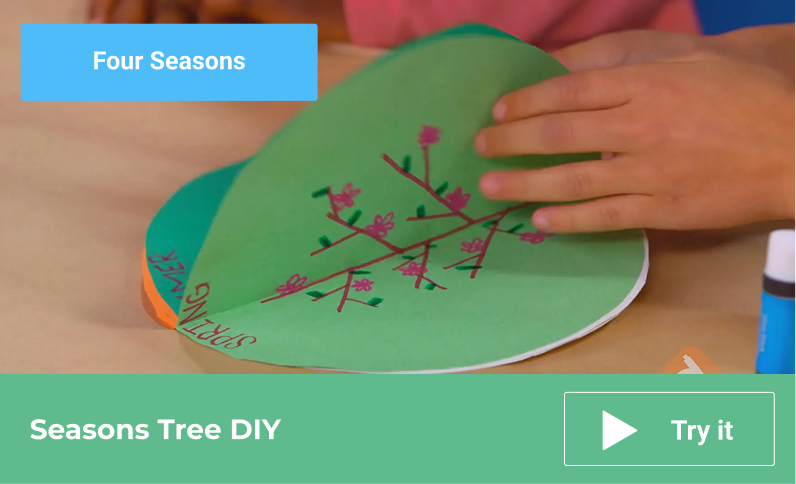
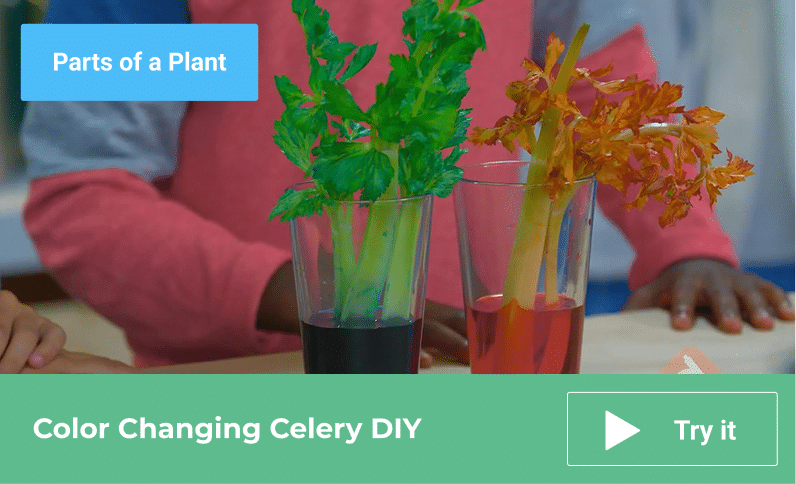
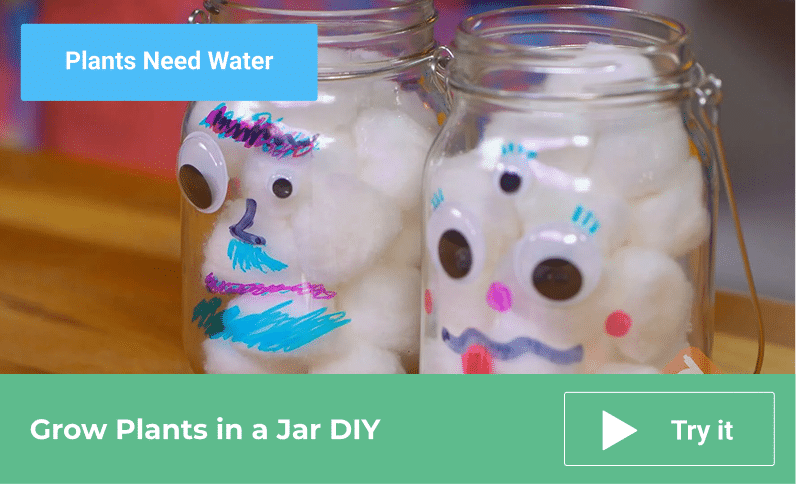
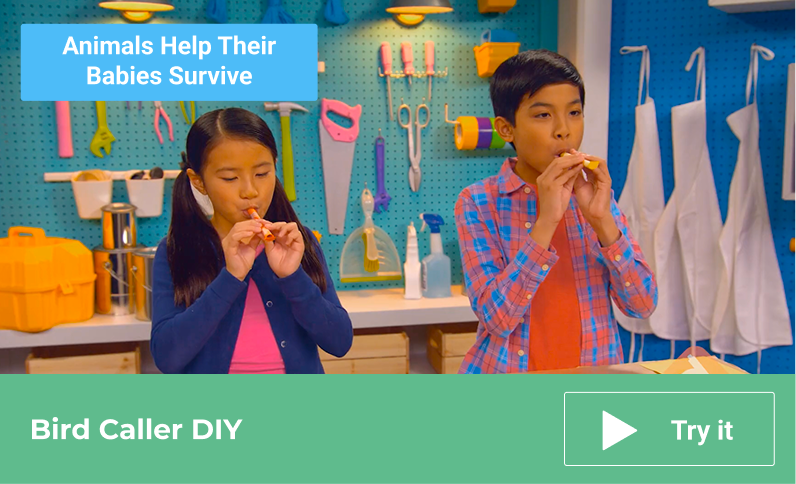
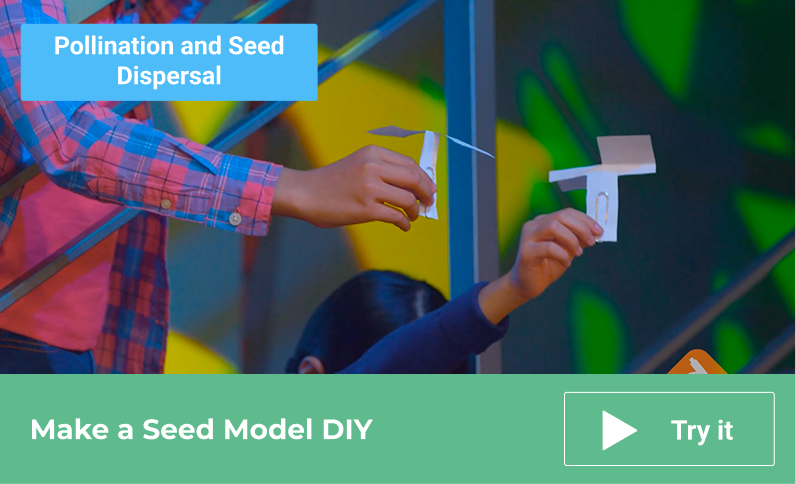
Explore how living things grow and survive! In these lessons, students investigate plants, animals, and insects while learning about plant parts, what plants need—such as water and sunlight—to grow, and the conditions that help them thrive. They’ll also discover how pollination and seed dispersal help new plants grow and how animals and insects help support plant life. Along the way, students explore big ideas like biodiversity, survival, and the basic needs of living things. Hands-on activities like color-changing celery experiments, growing plants in jars, and building seed models and bird feeders help bring the life cycles of living things to life.
Video Lessons & Hands-on Activities

Printable Worksheets & Reading Material
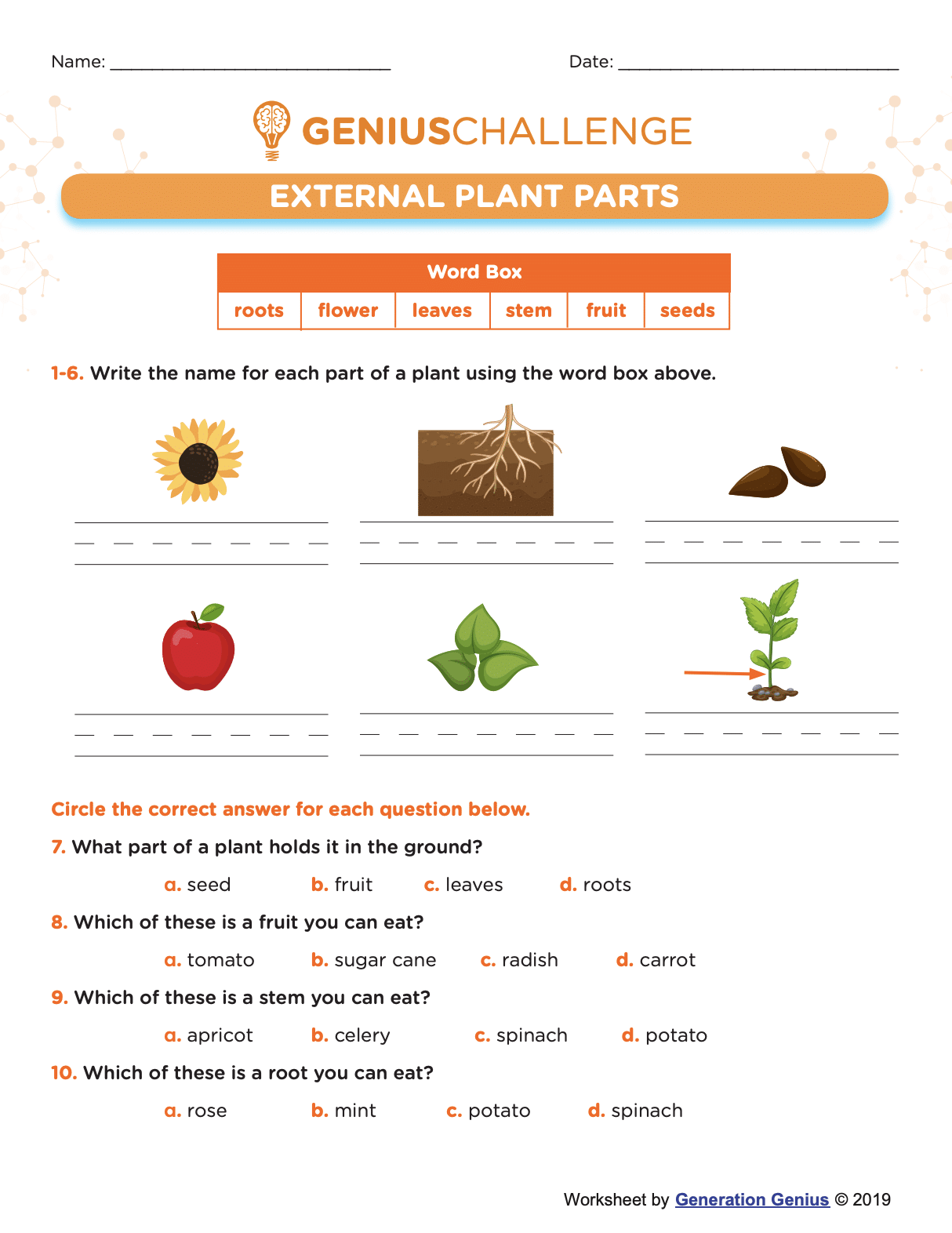
Plant Parts Worksheet
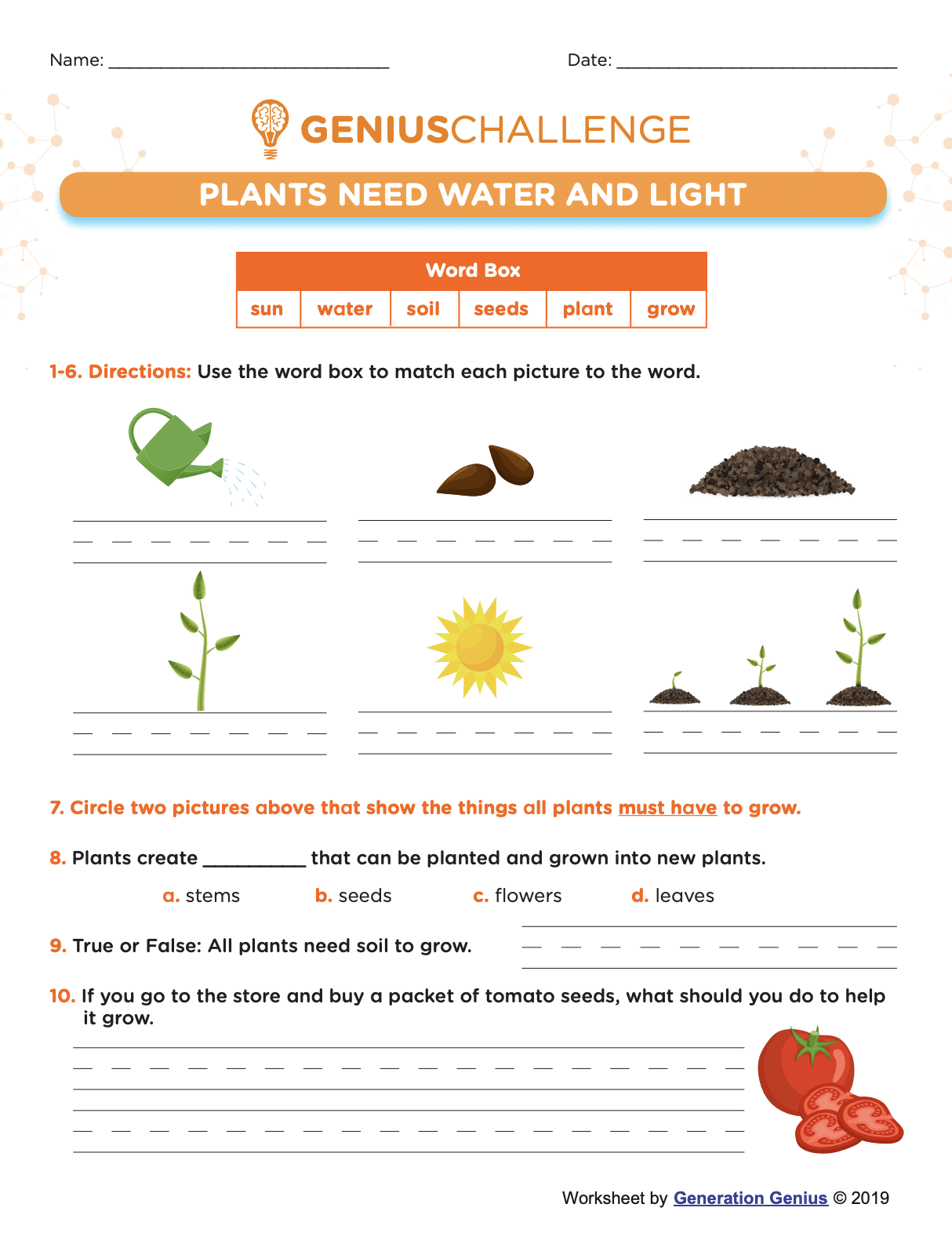
Plant Needs Worksheet
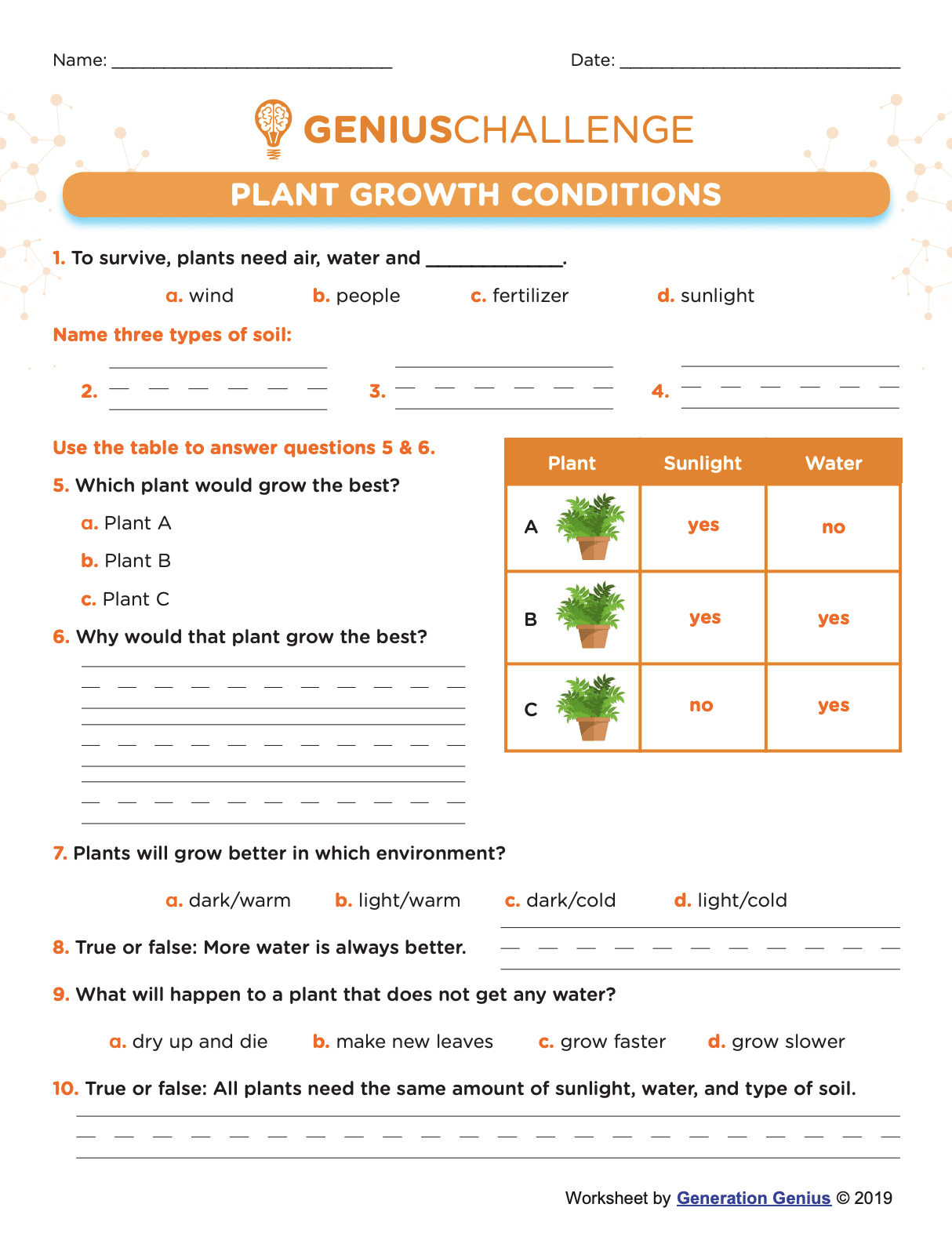
Plant Growth Worksheet
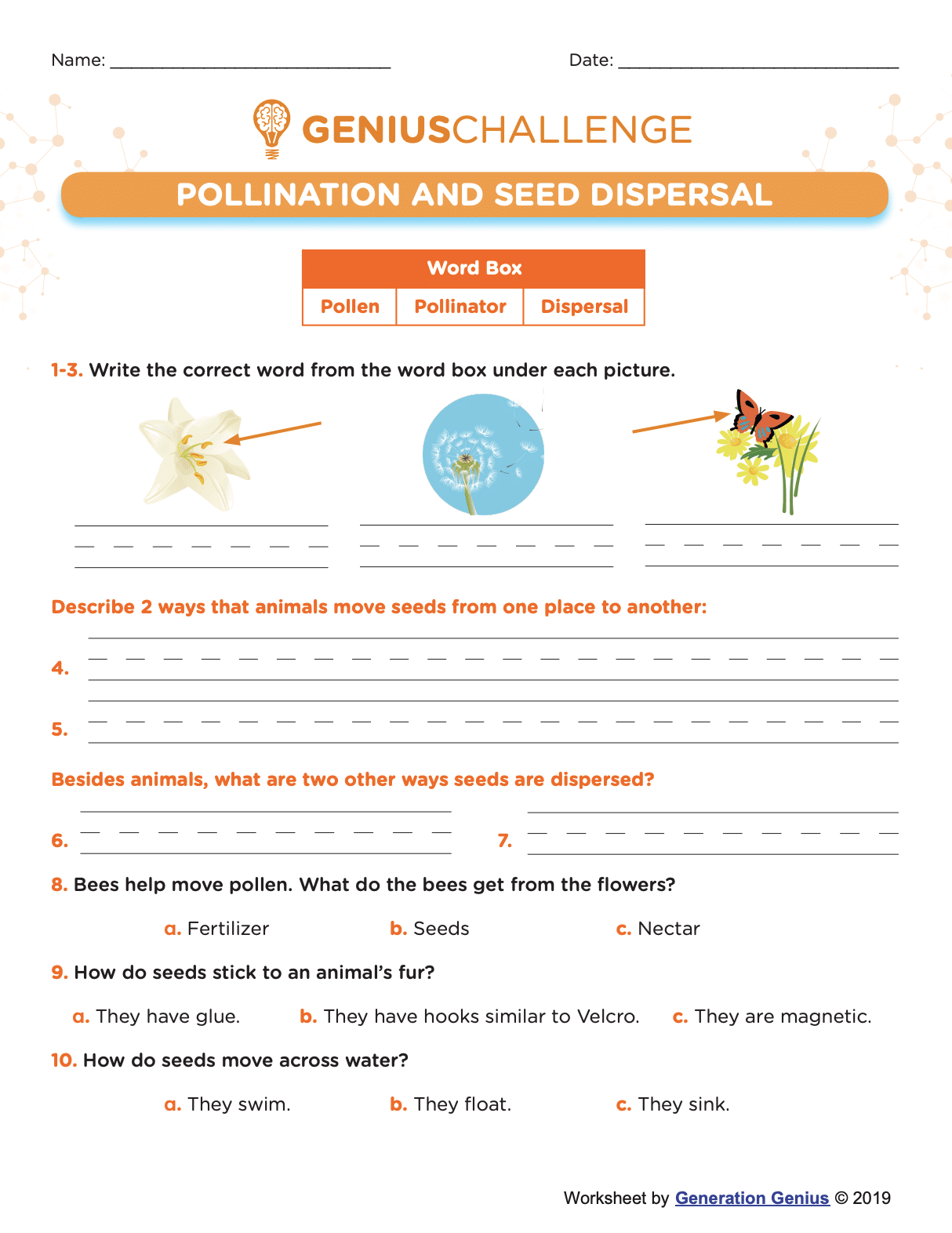
Pollination Worksheet
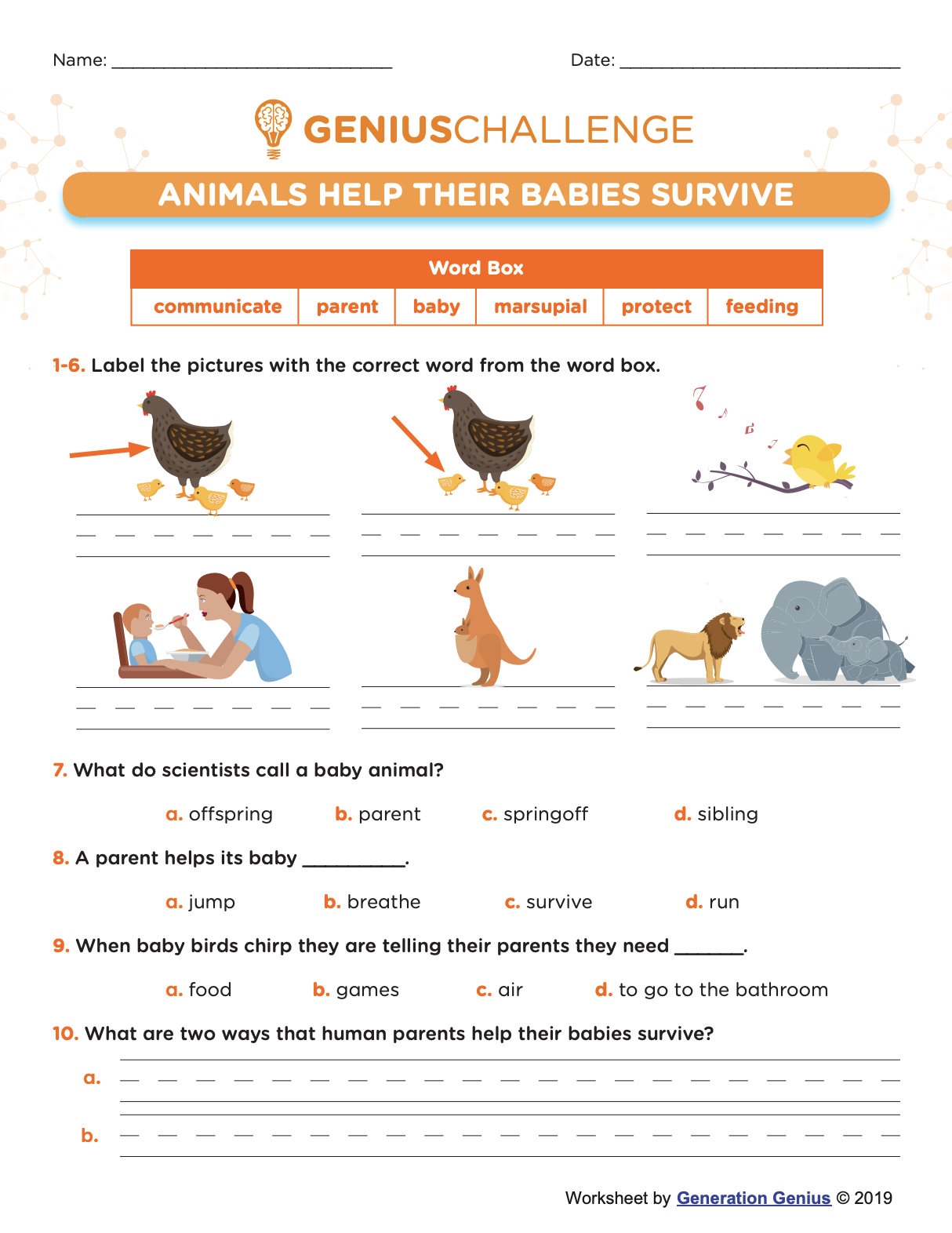
Animal Survival Worksheet
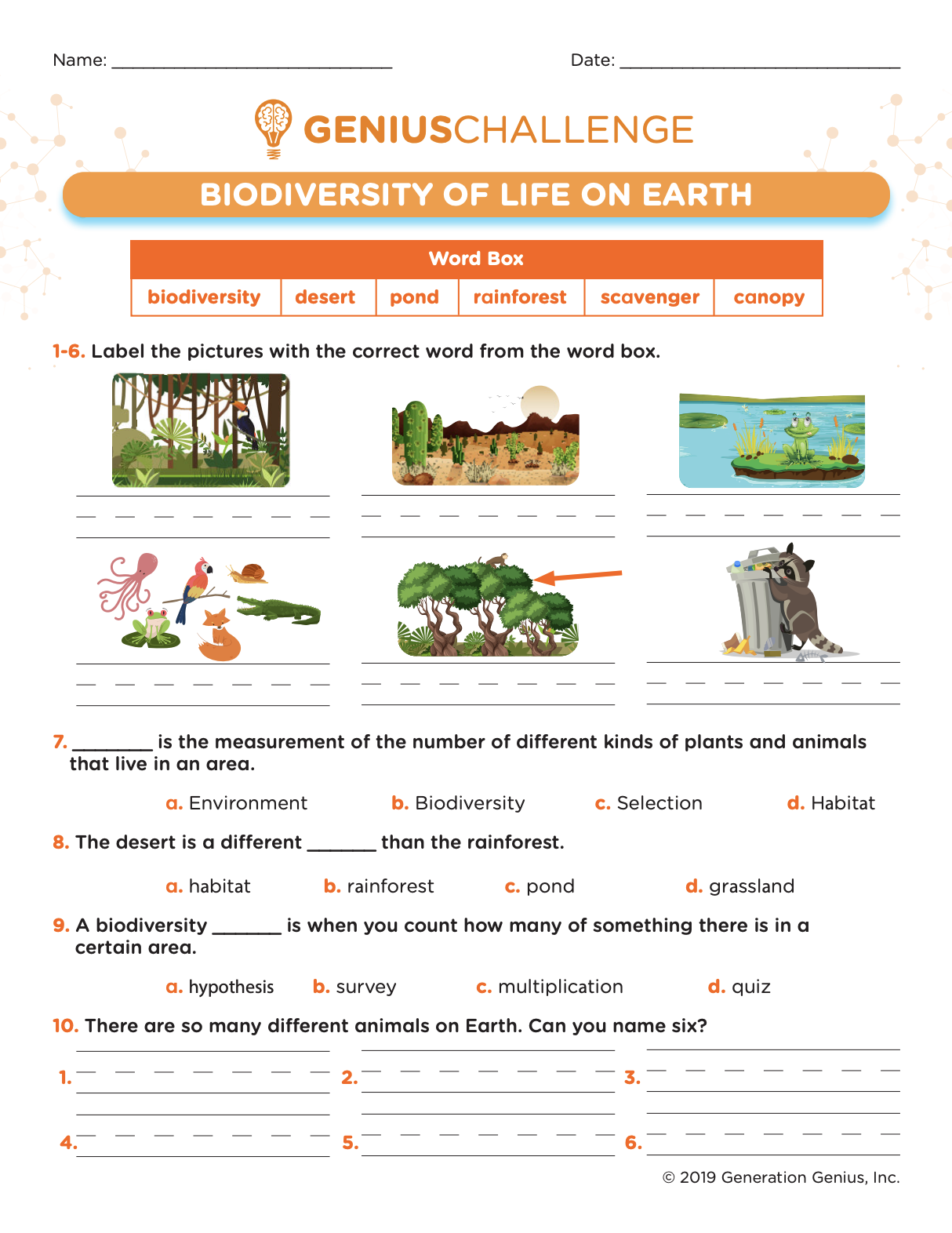
Biodiversity Worksheet
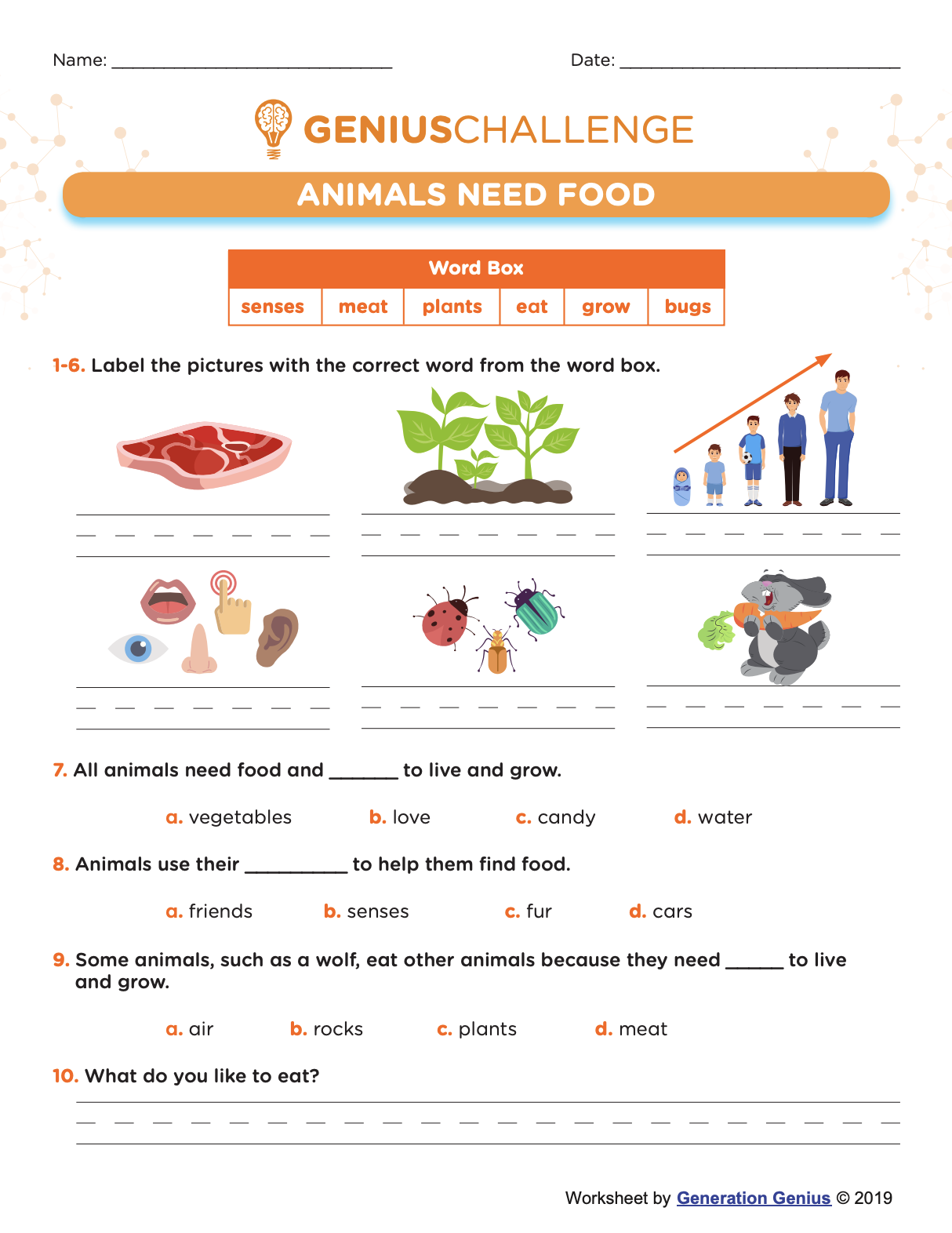
Animal Needs Worksheet
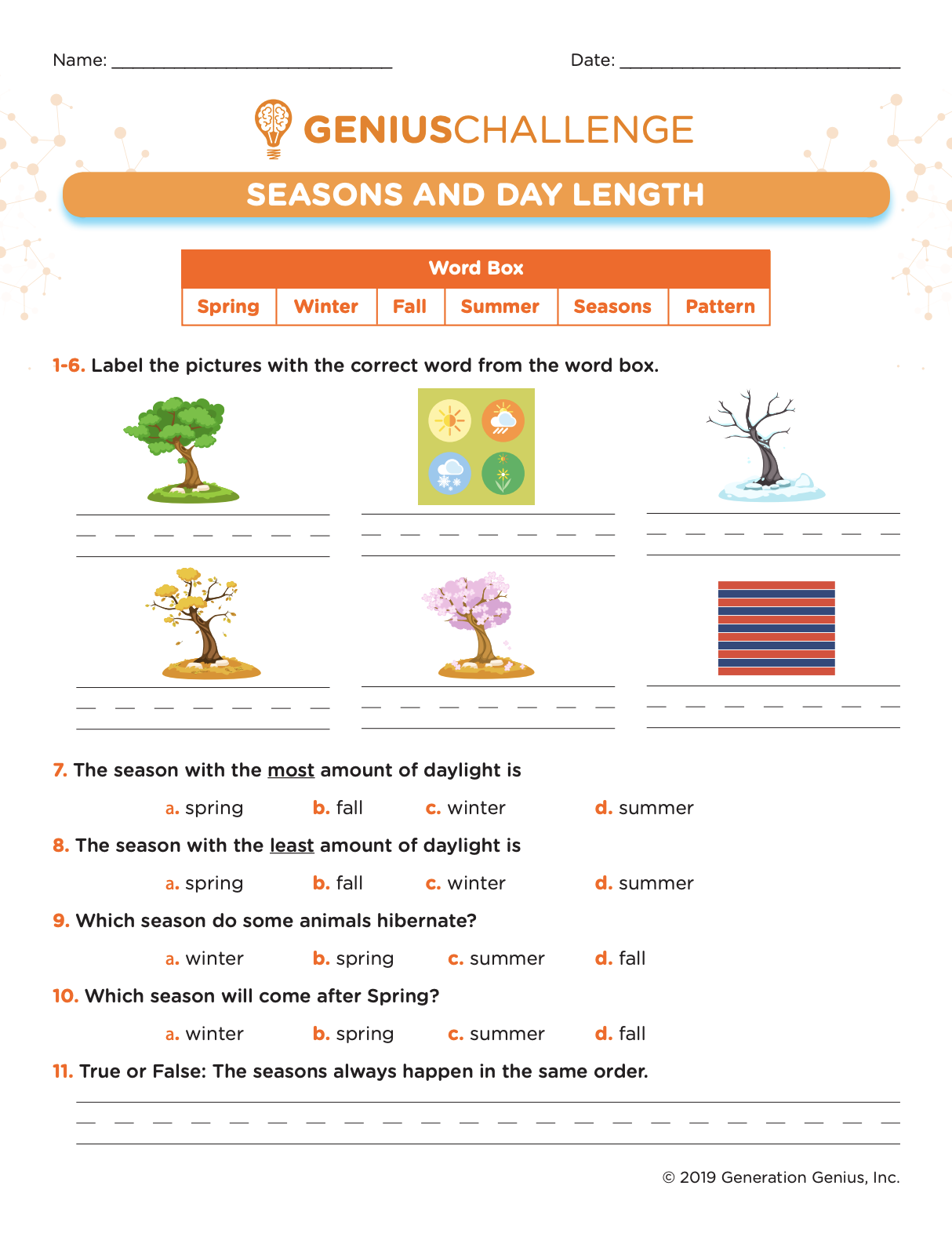
Four Seasons Worksheet

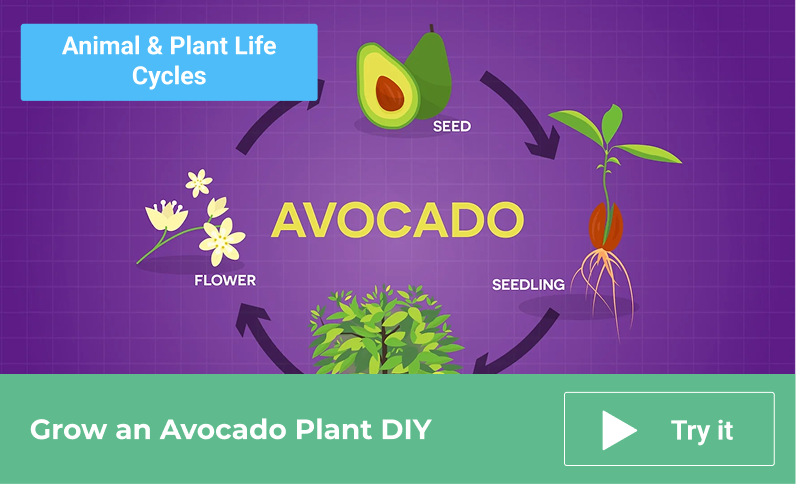
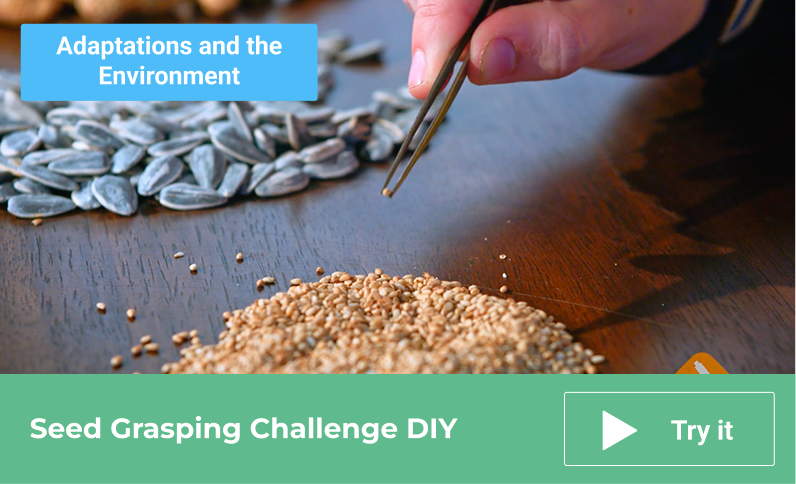
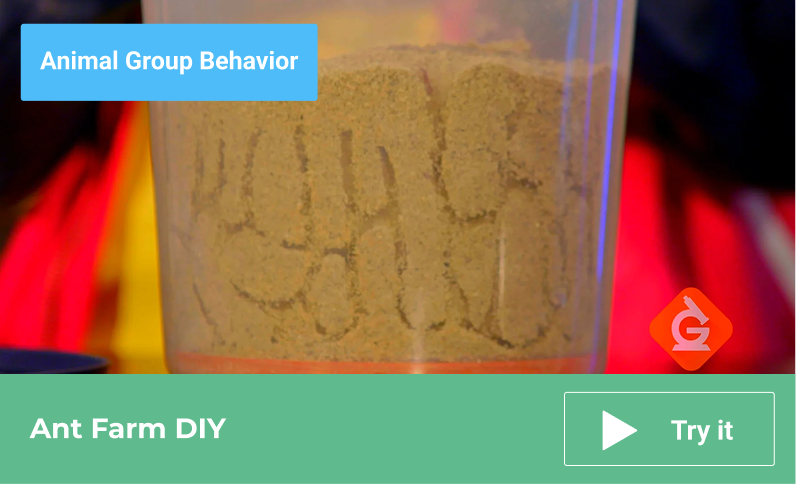
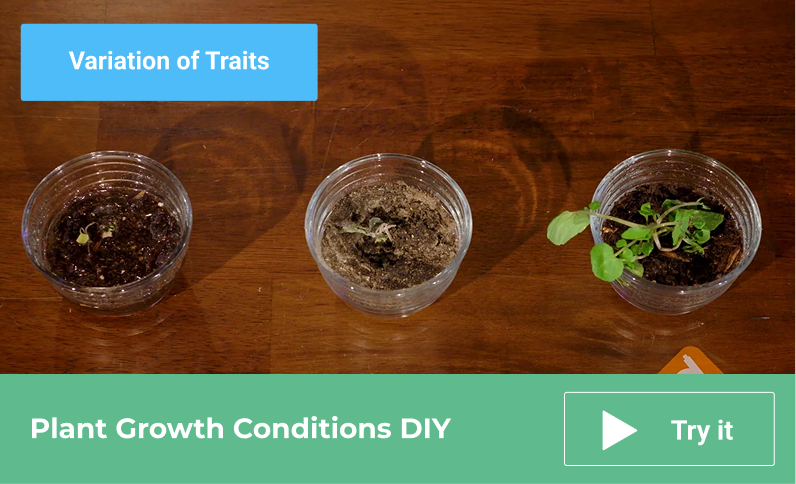
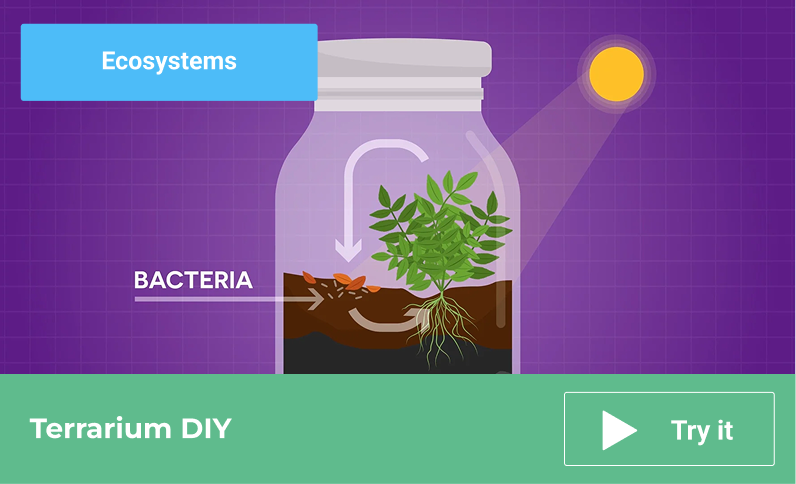
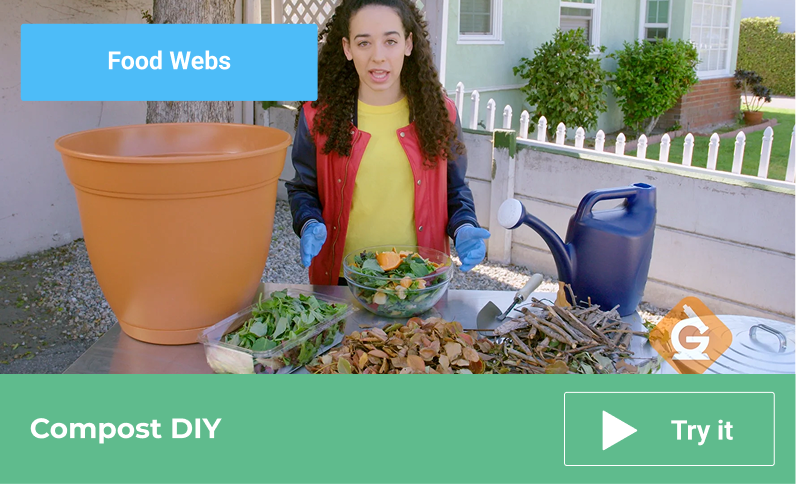
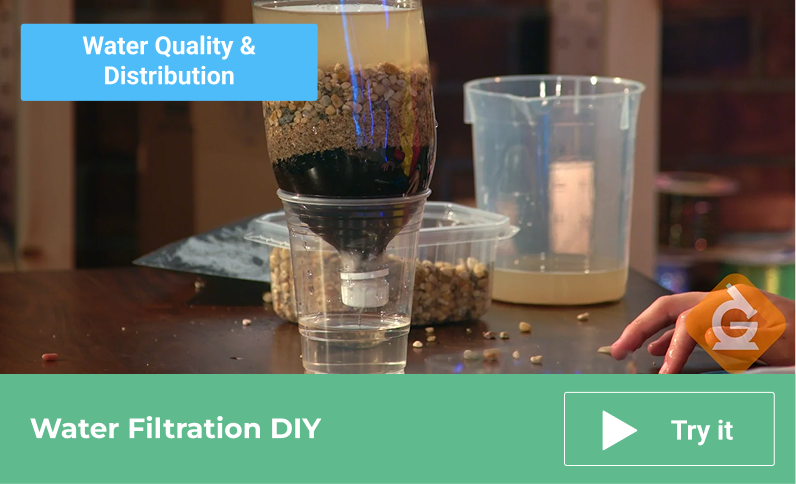
Students take a closer look at how plants and animals grow, survive, and interact with their environments. In these lessons, learners explore animal and plant life cycles, how traits vary among living things, and the structures that help organisms live and grow. They also investigate how adaptations help plants and animals survive, how animals work together in group behavior, and how living things are connected through food webs and ecosystems. Along the way, students examine the importance of water quality and distribution and how environmental conditions influence life on Earth.
Video Lessons & Hands-on Activities



Printable Worksheets & Reading Material
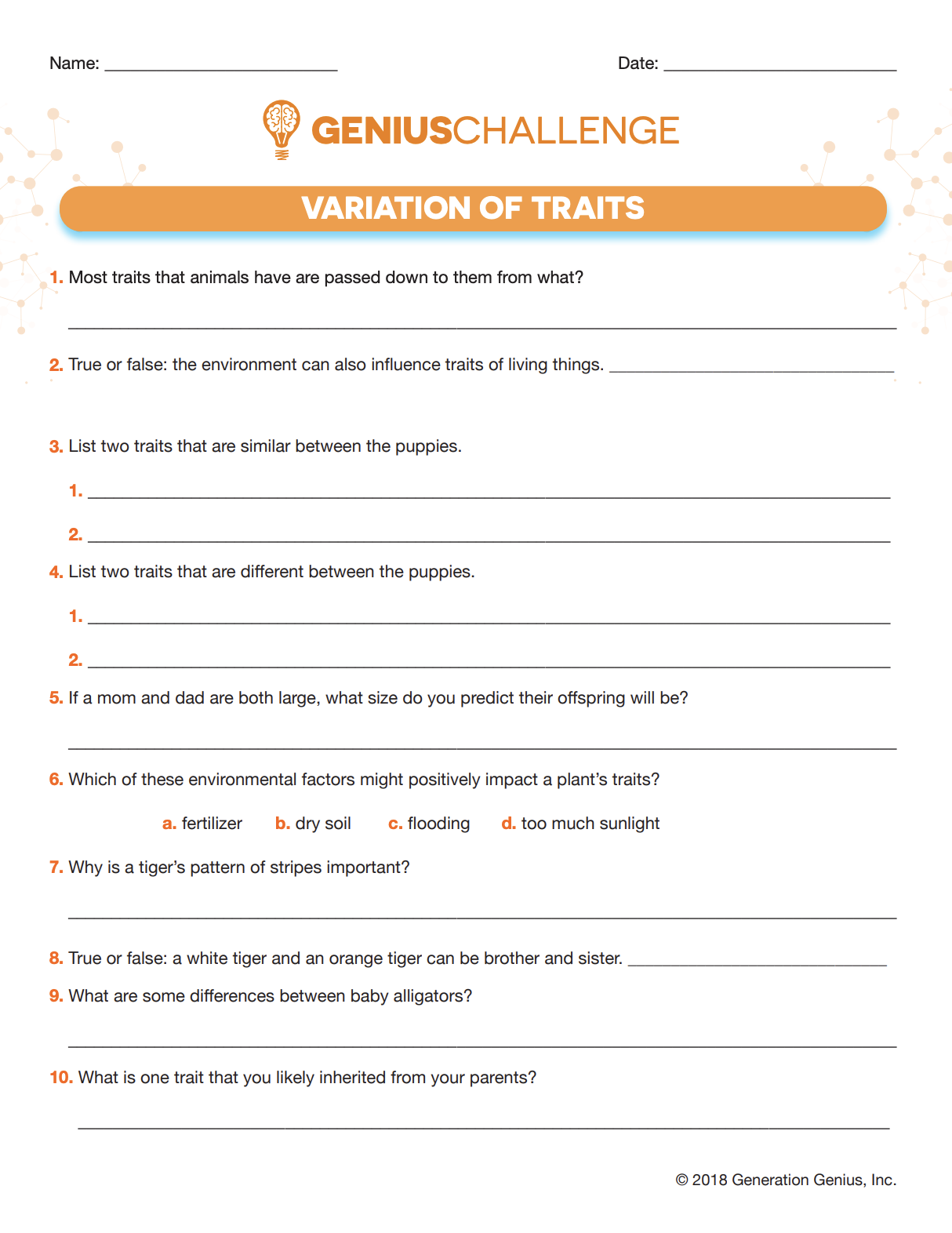
Variation of Traits Worksheet
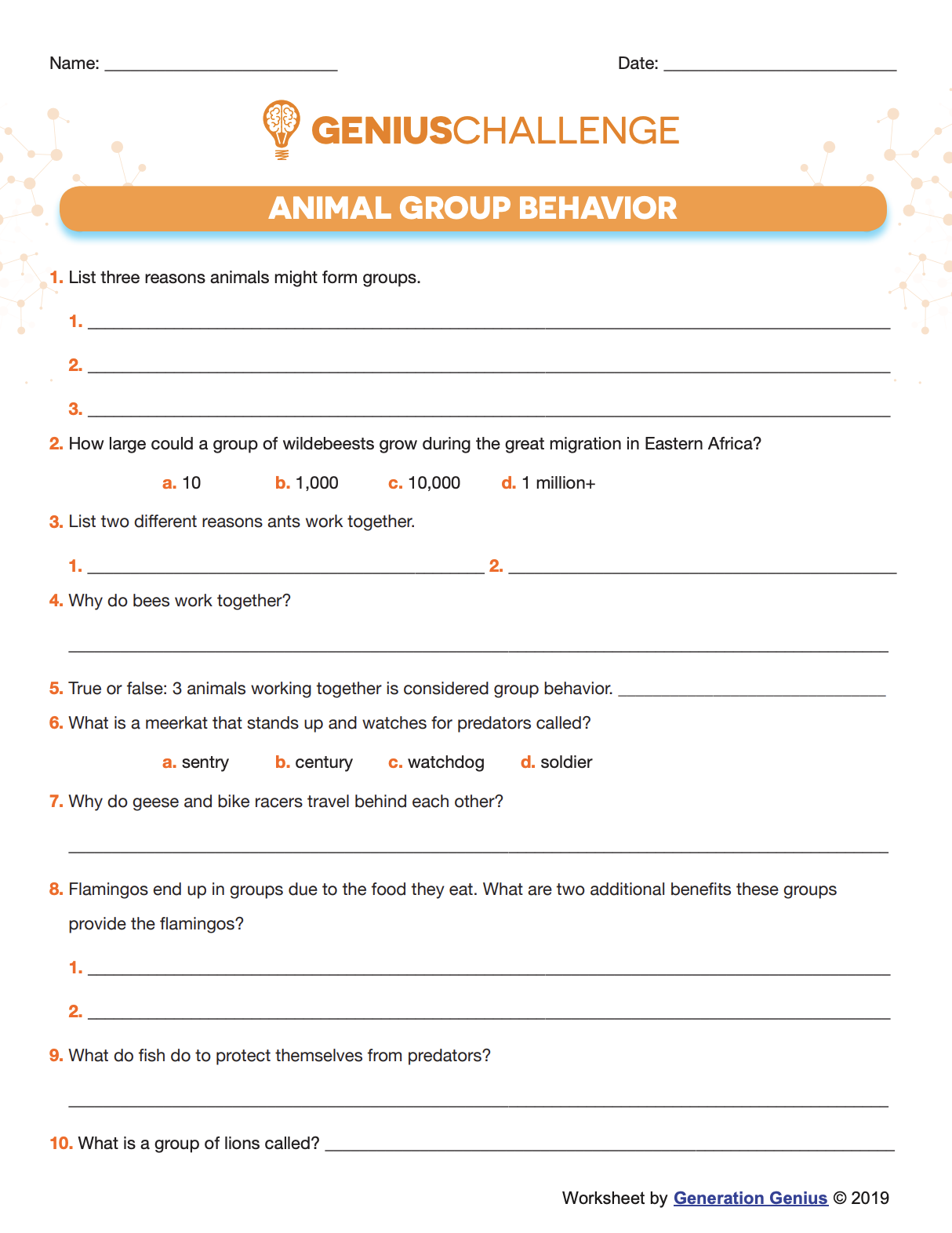
Animal Group Behavior Worksheet
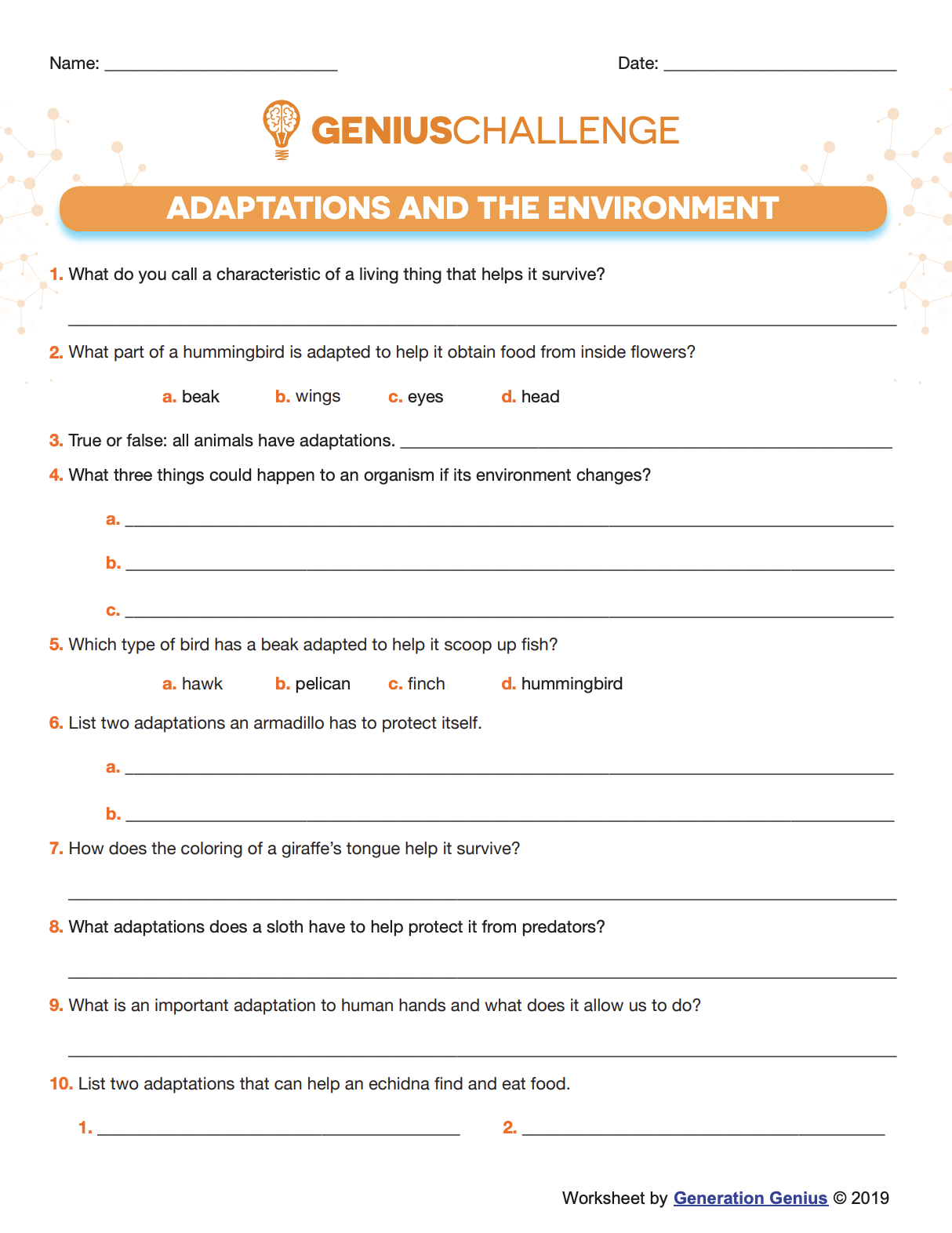
Adaptations and the Environment Worksheet
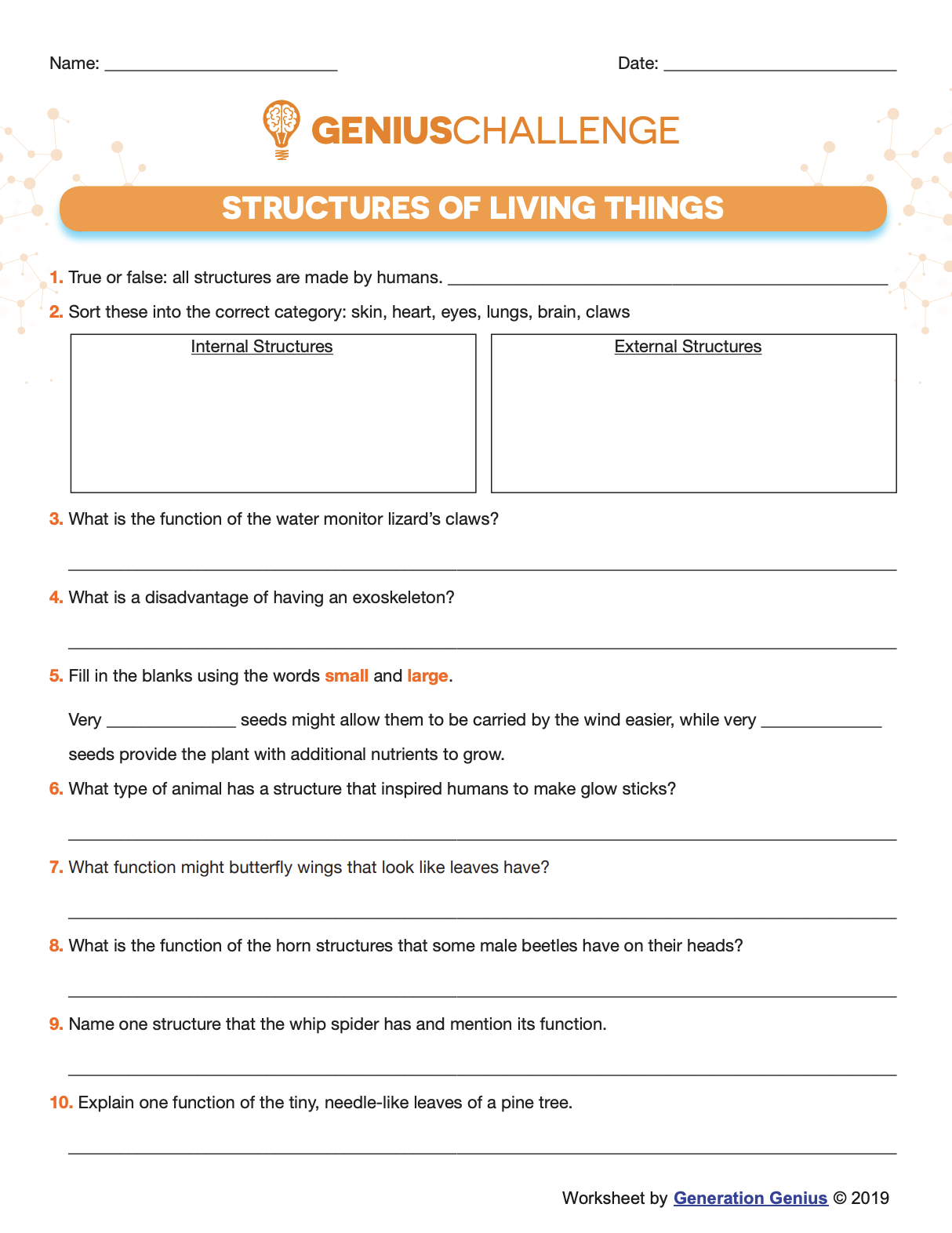
Structure of Living Things Worksheet
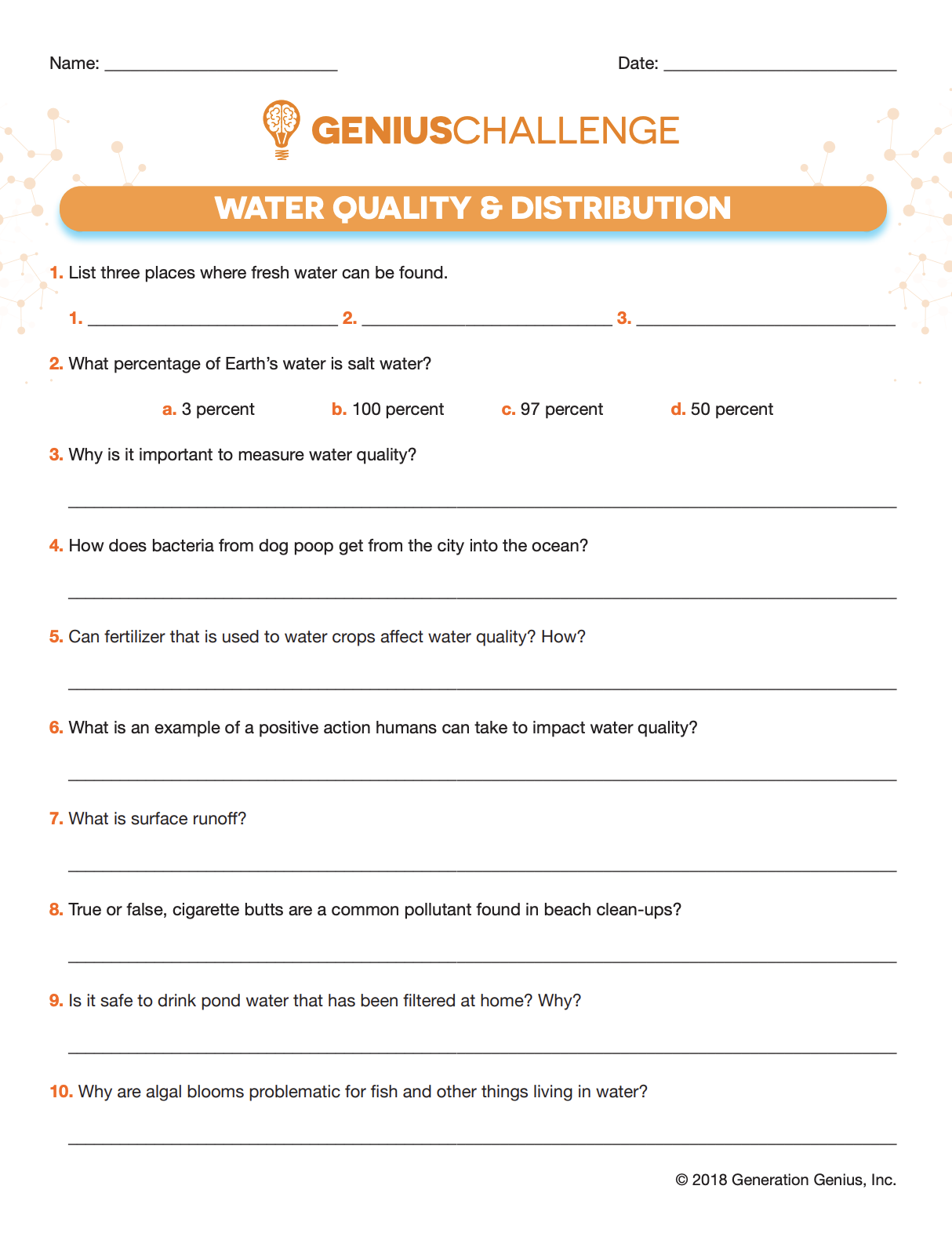
Water Quality & Distribution Worksheet
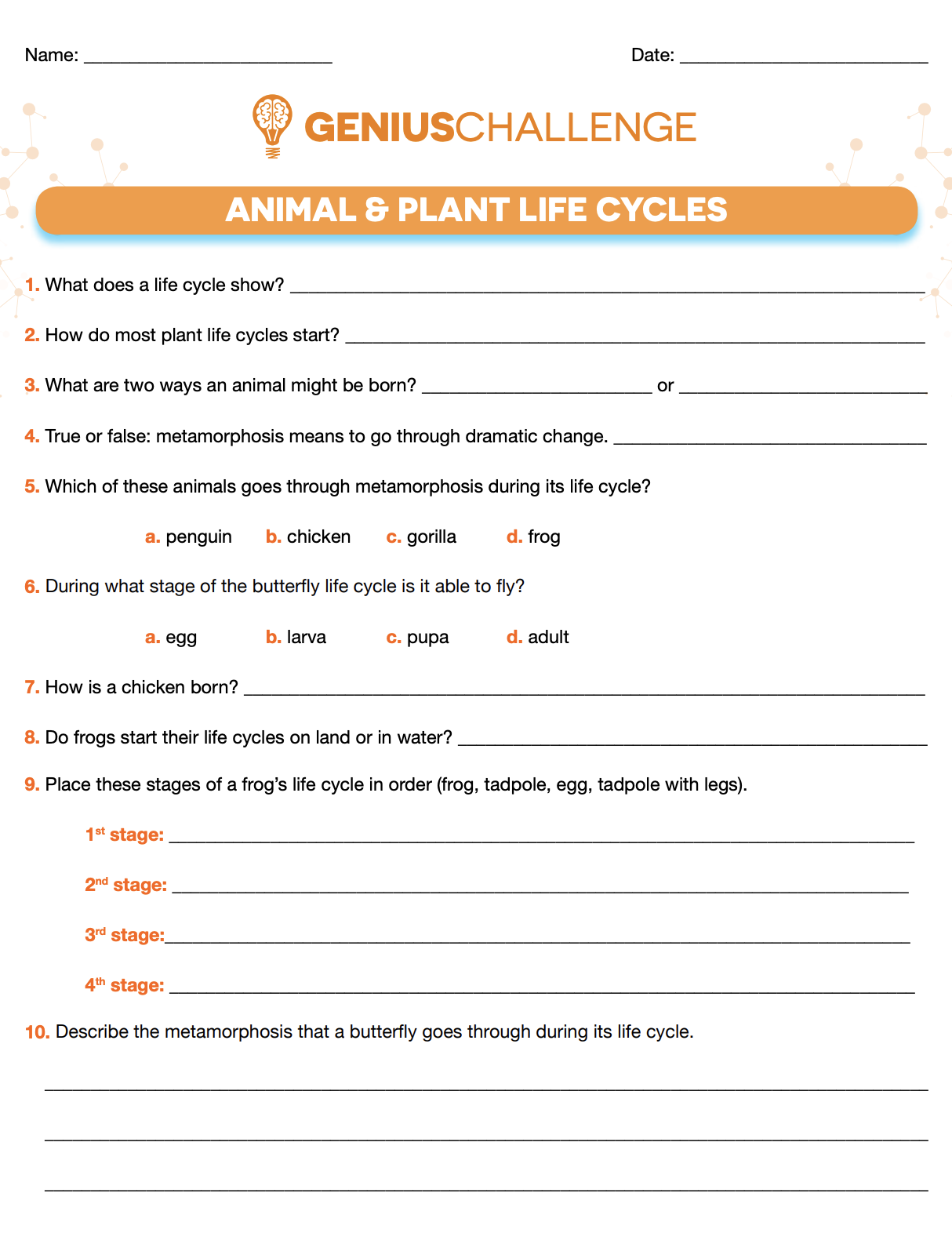
Animal and Plant Life Cycles Worksheet
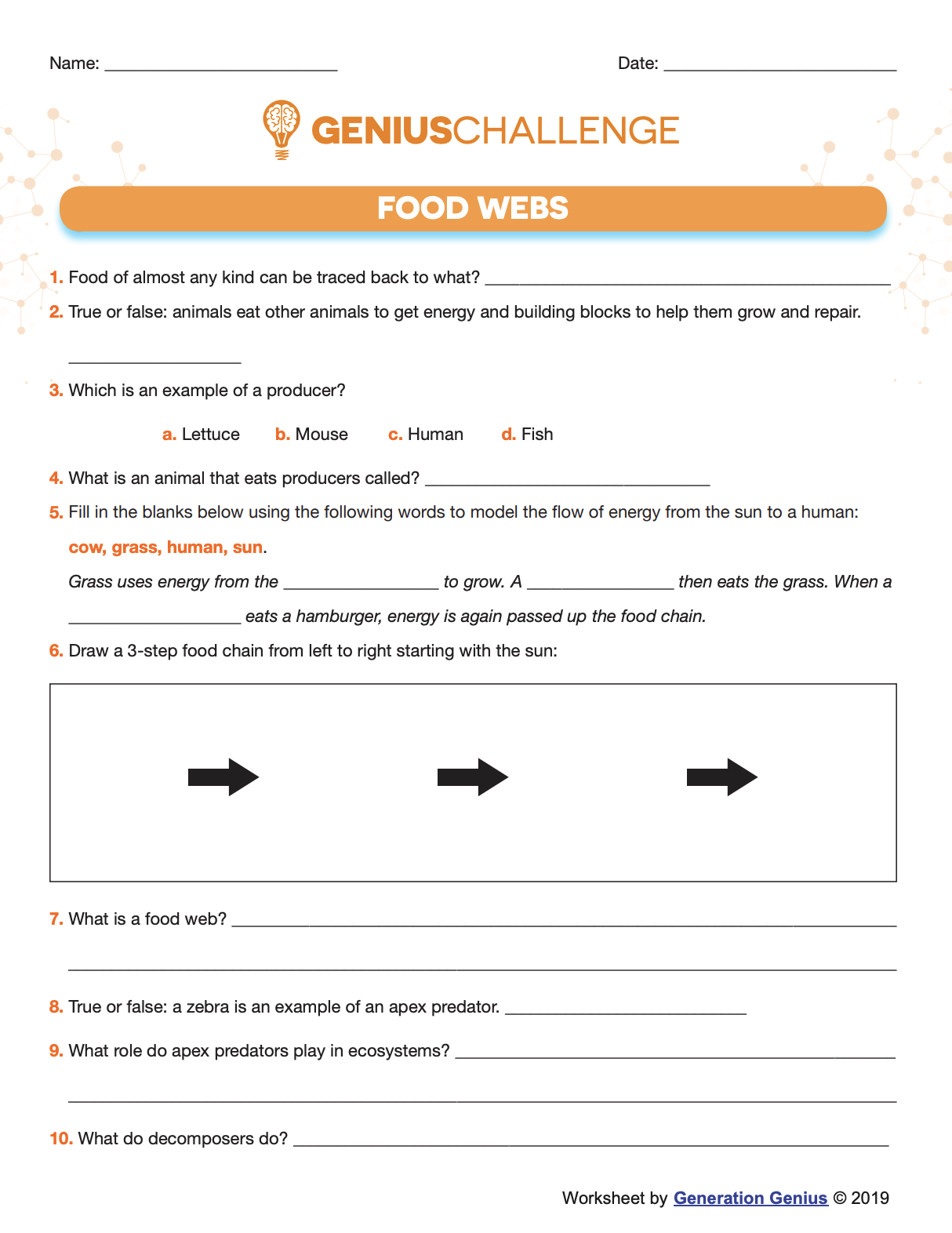
Food Webs Printable Worksheet
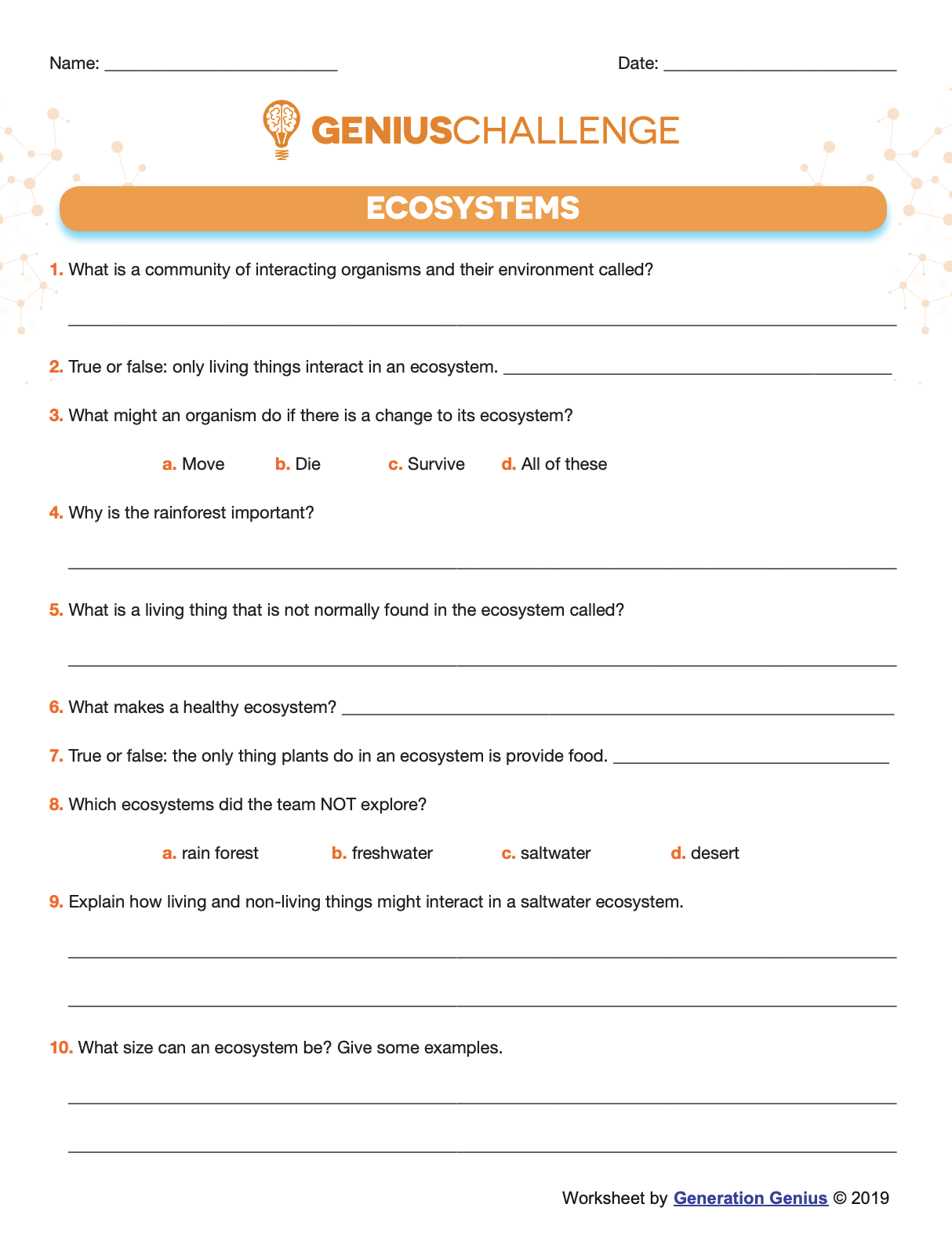
Ecosystems Printable Worksheet

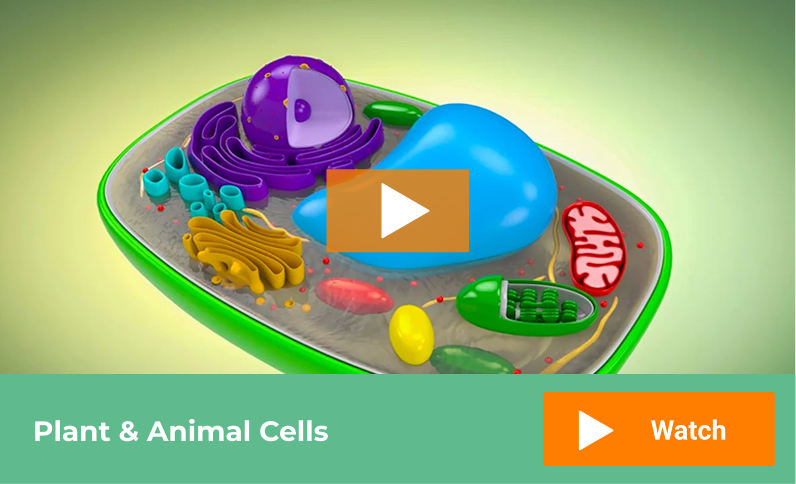
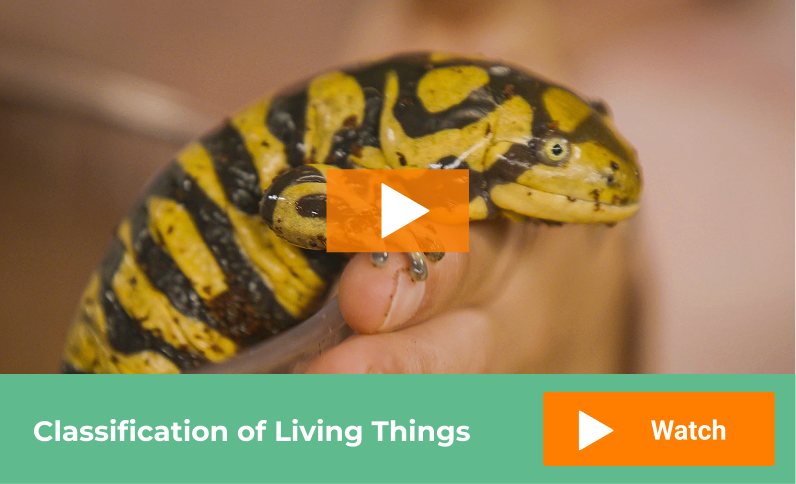
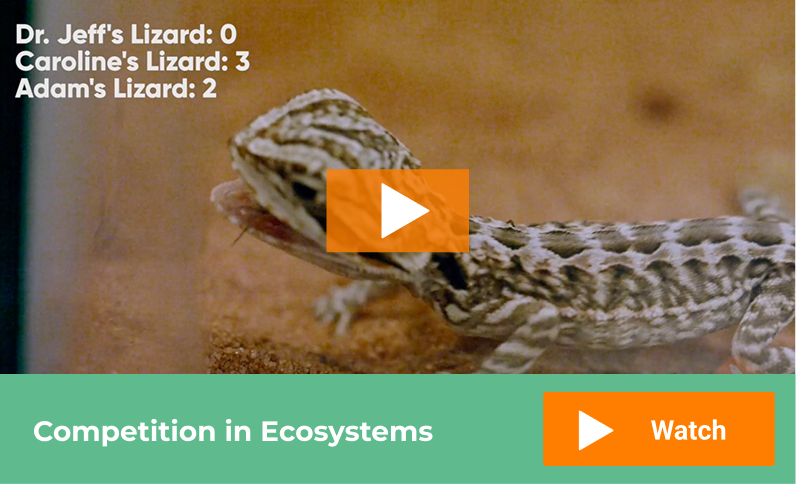
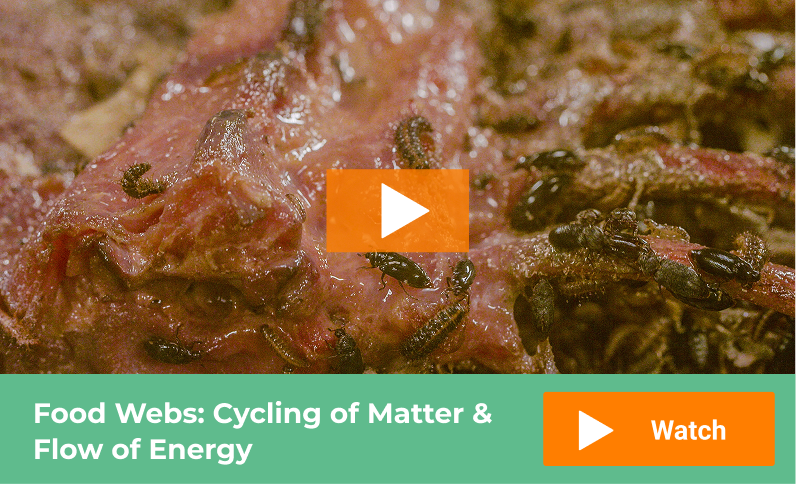
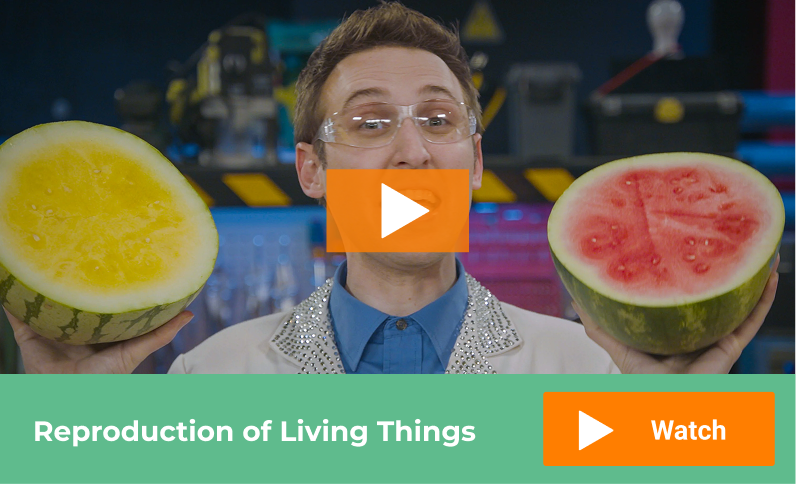
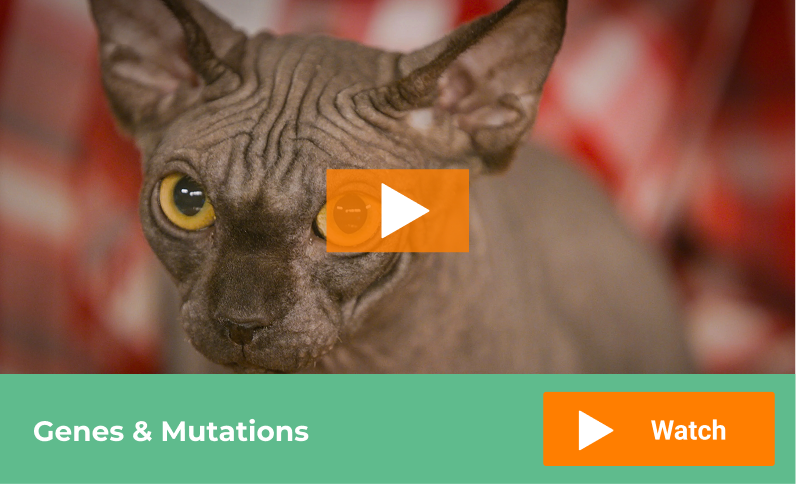
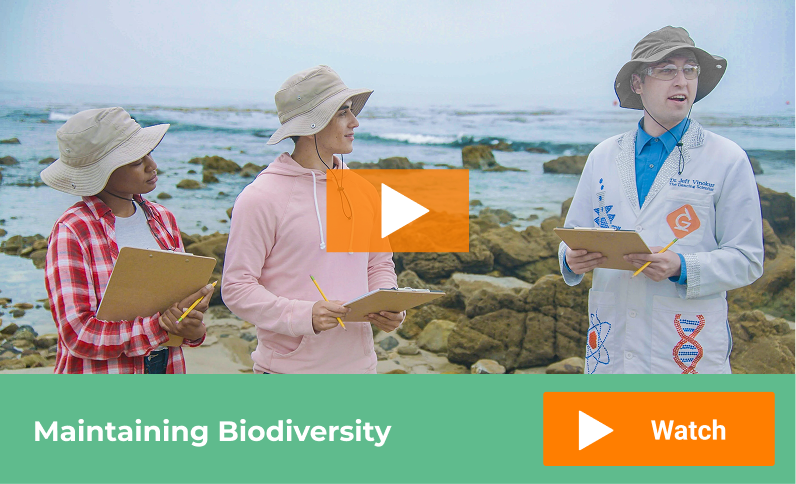
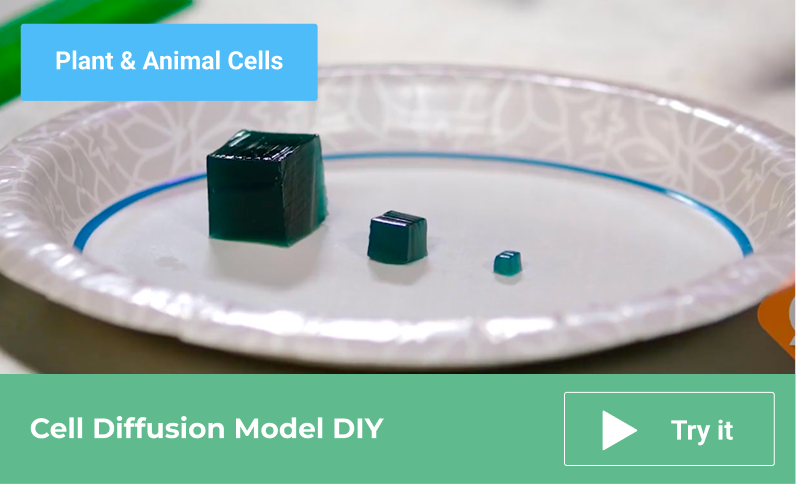
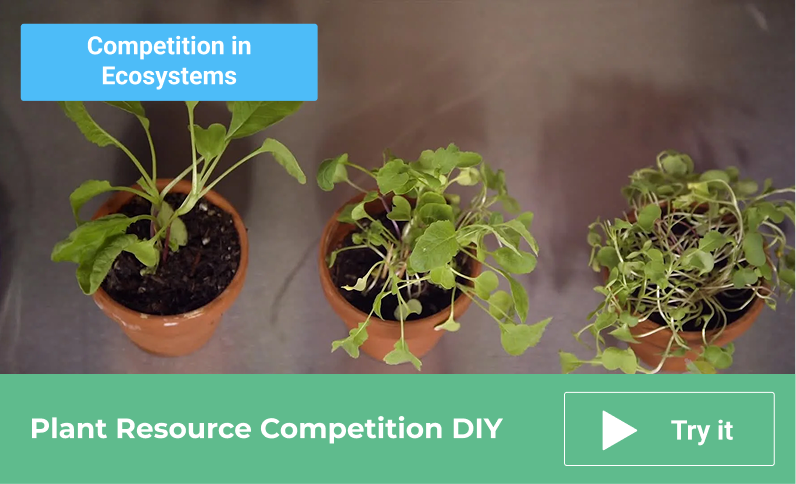
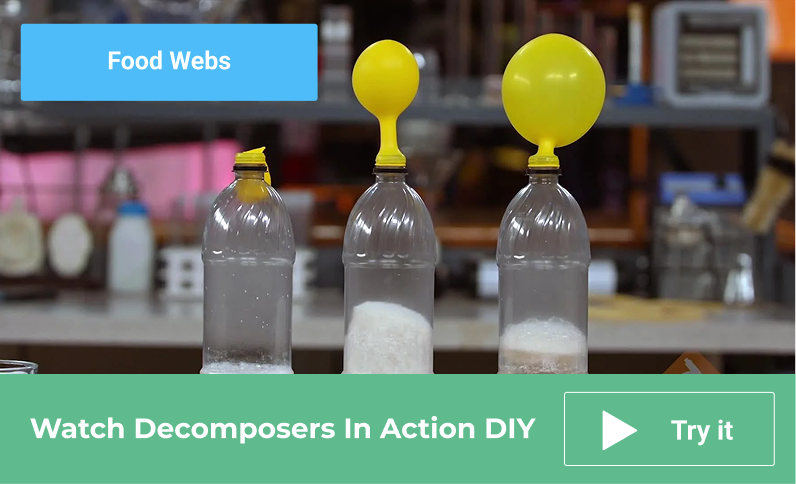
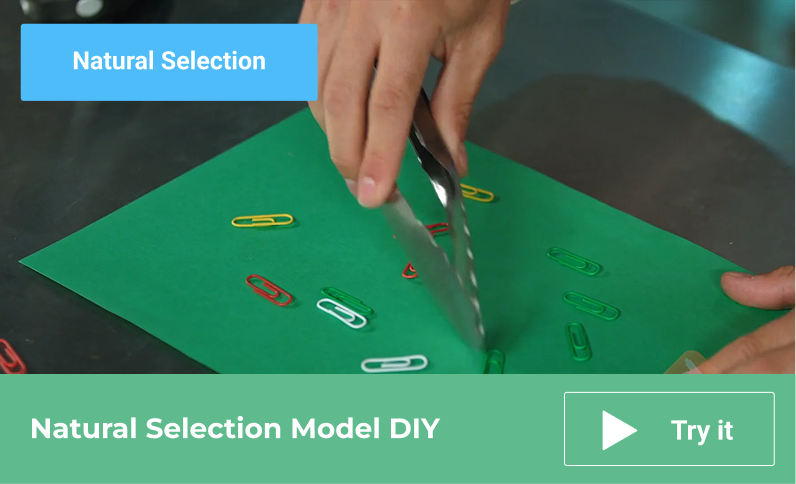
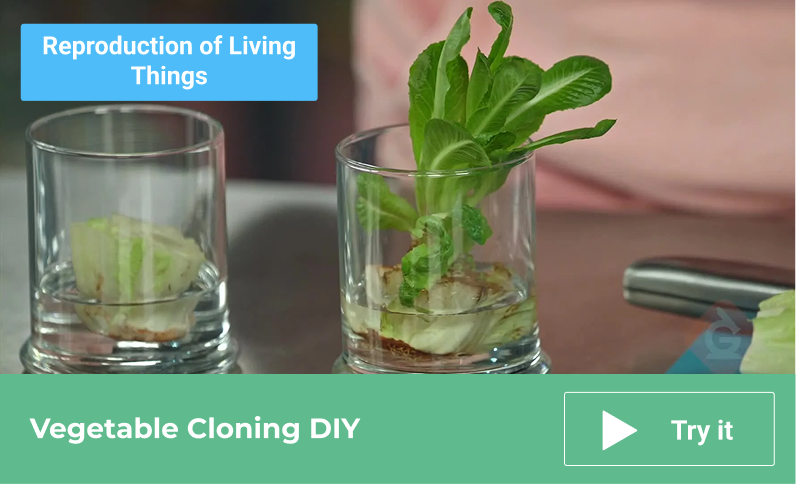
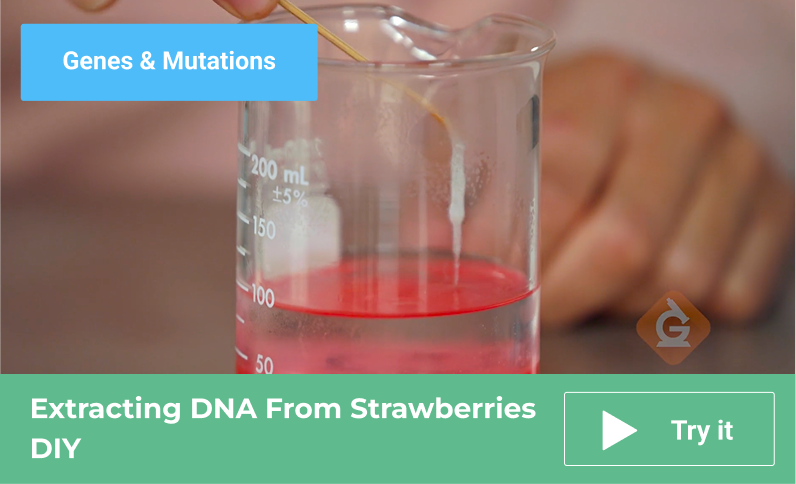
Middle school students explore in-depth the science behind how living things grow, reproduce, and evolve. These lessons examine plant and animal cells, how scientists classify living things, and how genes and mutations influence traits passed from one generation to the next. Students also investigate reproduction, natural selection, and how populations change over time. By exploring concepts such as competition in ecosystems, the cycling of matter in food webs, and the importance of maintaining biodiversity, students gain a deeper understanding of how organisms interact within complex ecosystems. Videos, hands-on activities, worksheets, and reading materials help students connect life cycles to the broader systems that sustain life on Earth.
Video Lessons & Hands-on Activities


Printable Worksheets & Reading Material
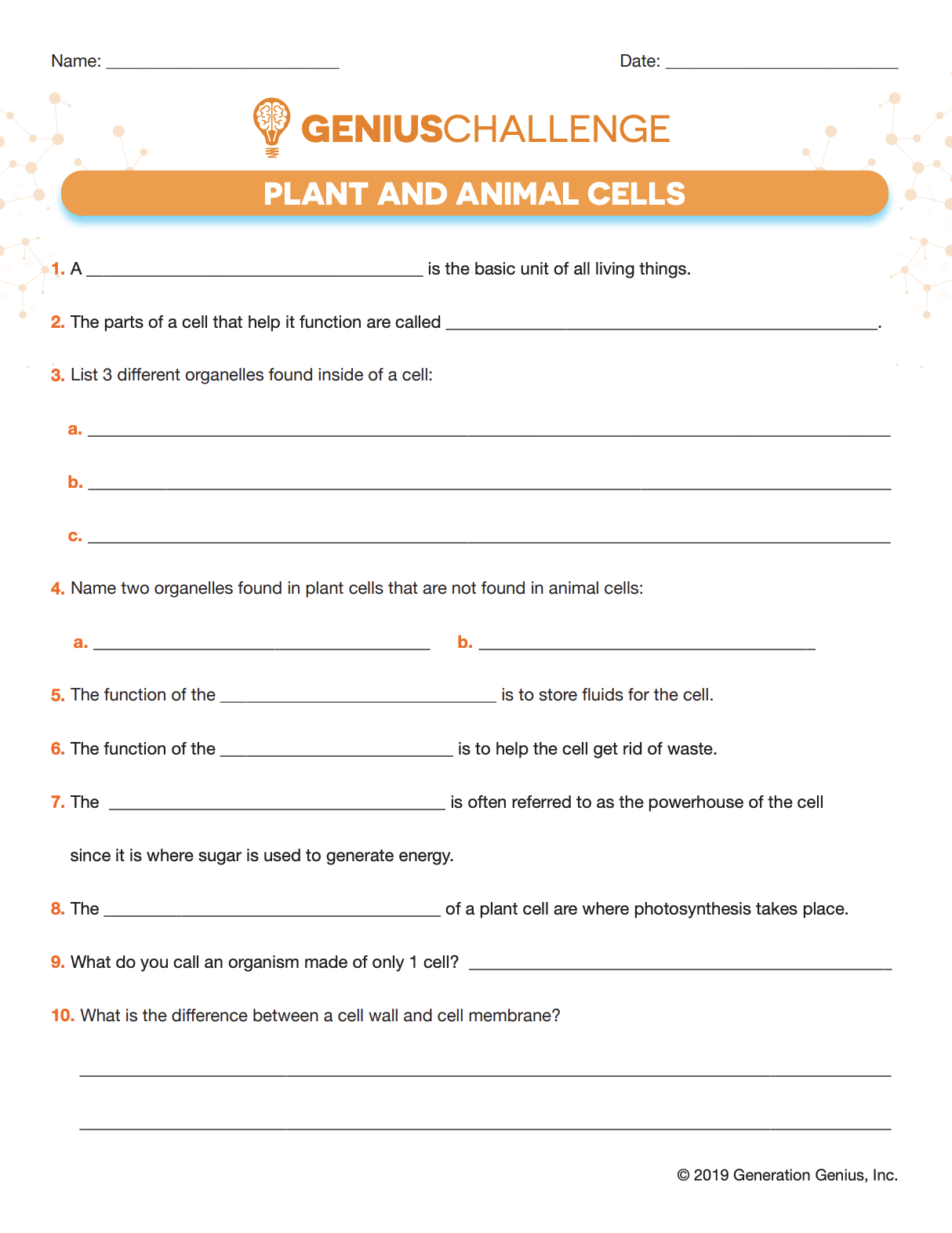
Plant and Animal Cells Worksheet
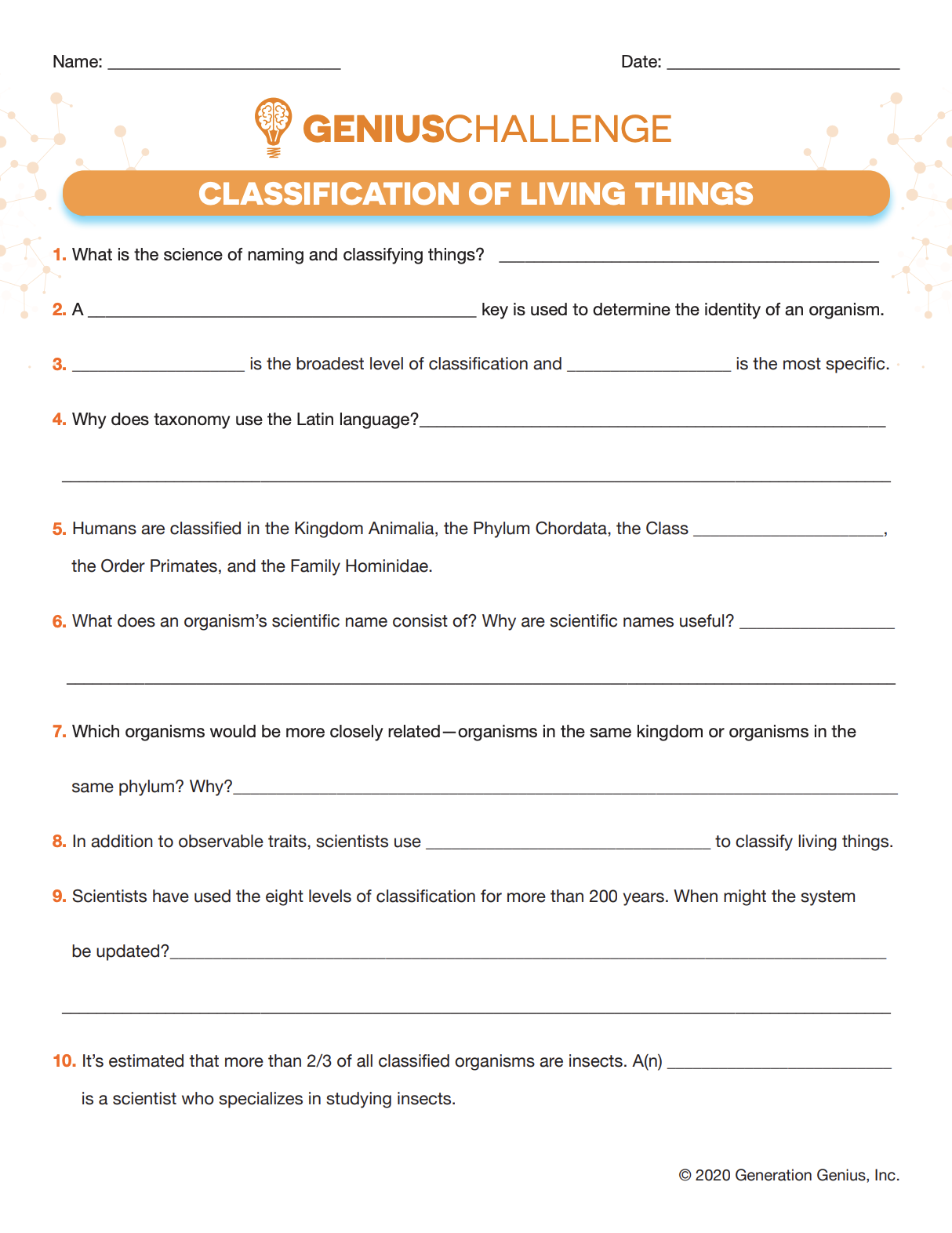
Classification of Living Things Worksheet
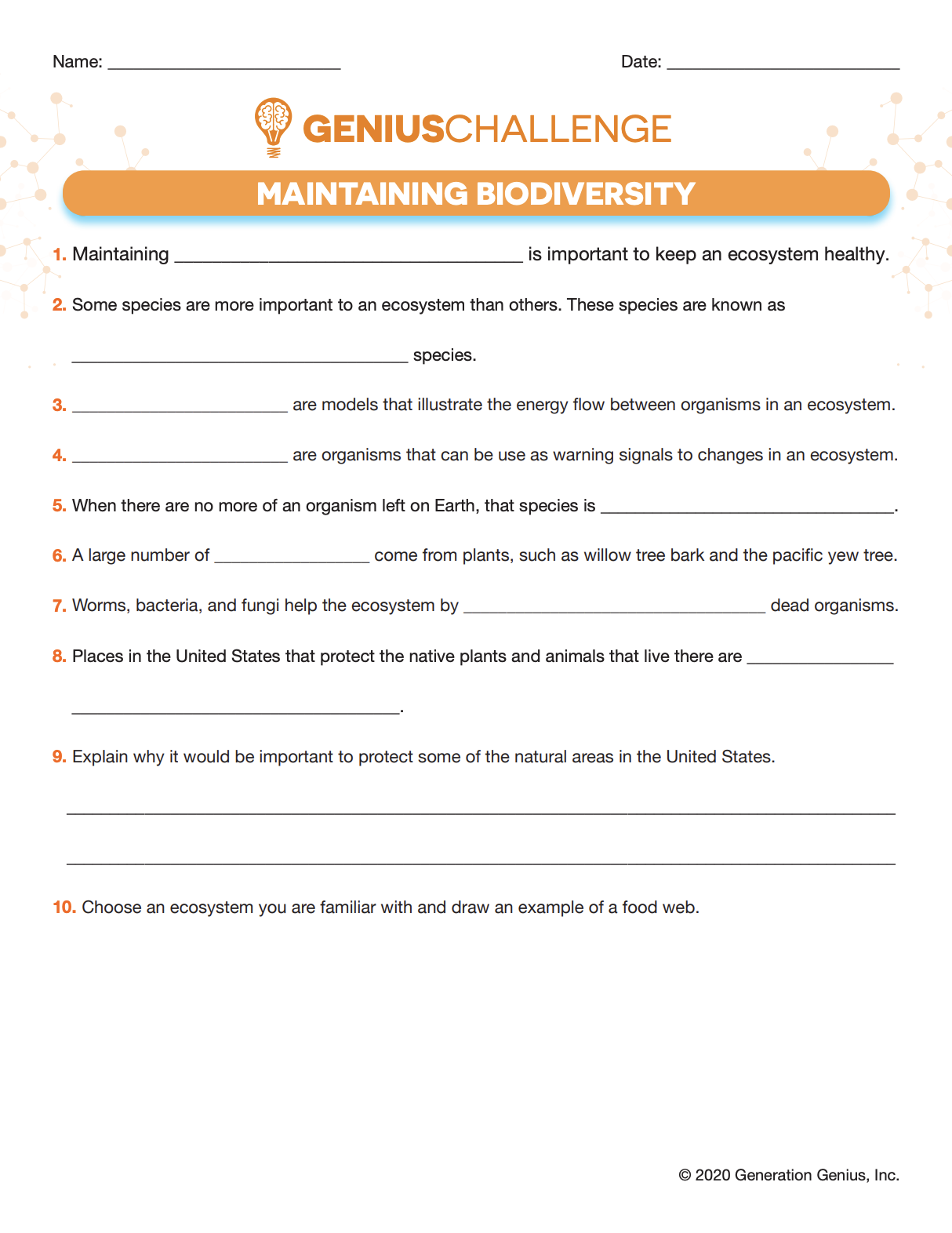
Maintaining Biodiversity Worksheet
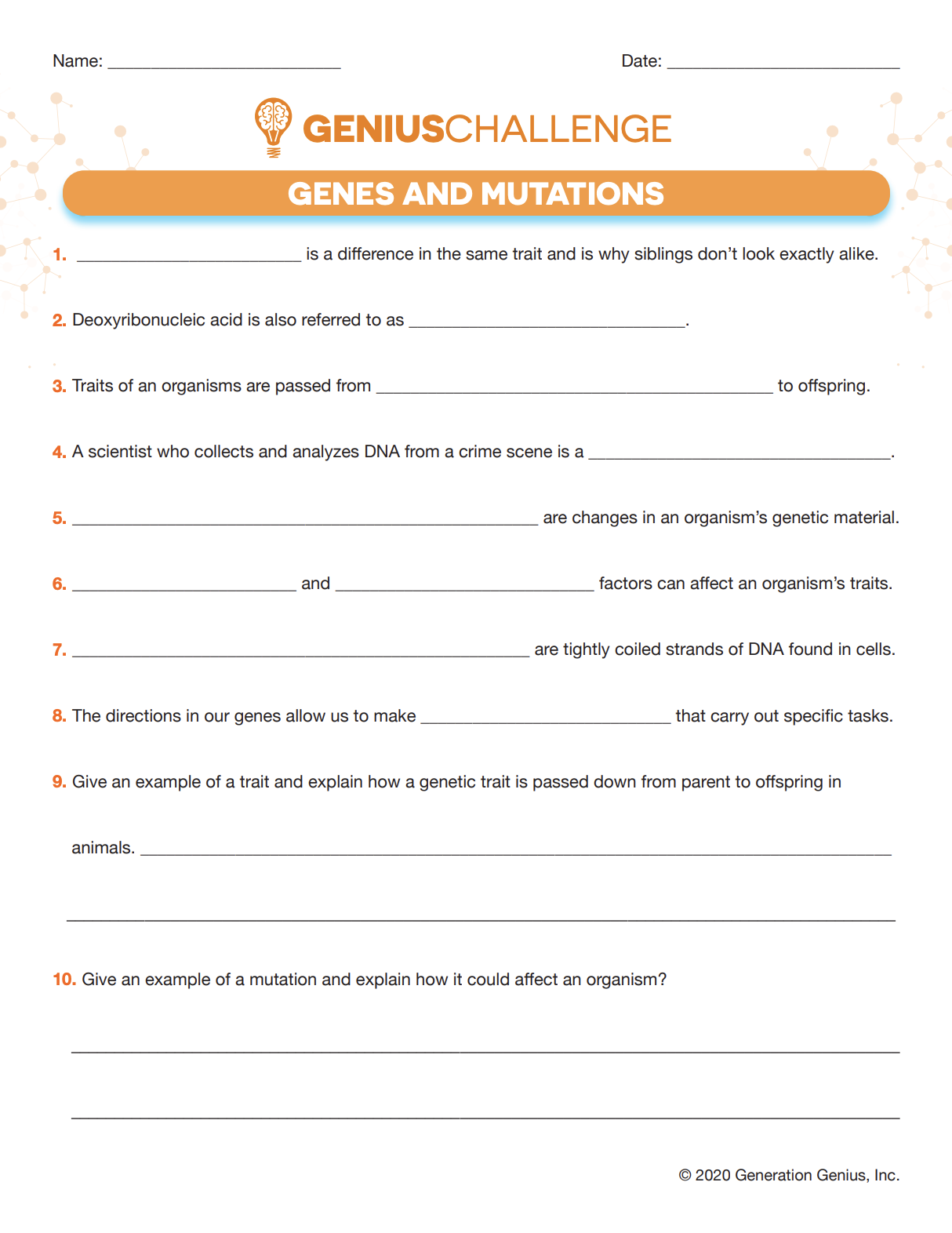
Genes and Mutations Worksheet
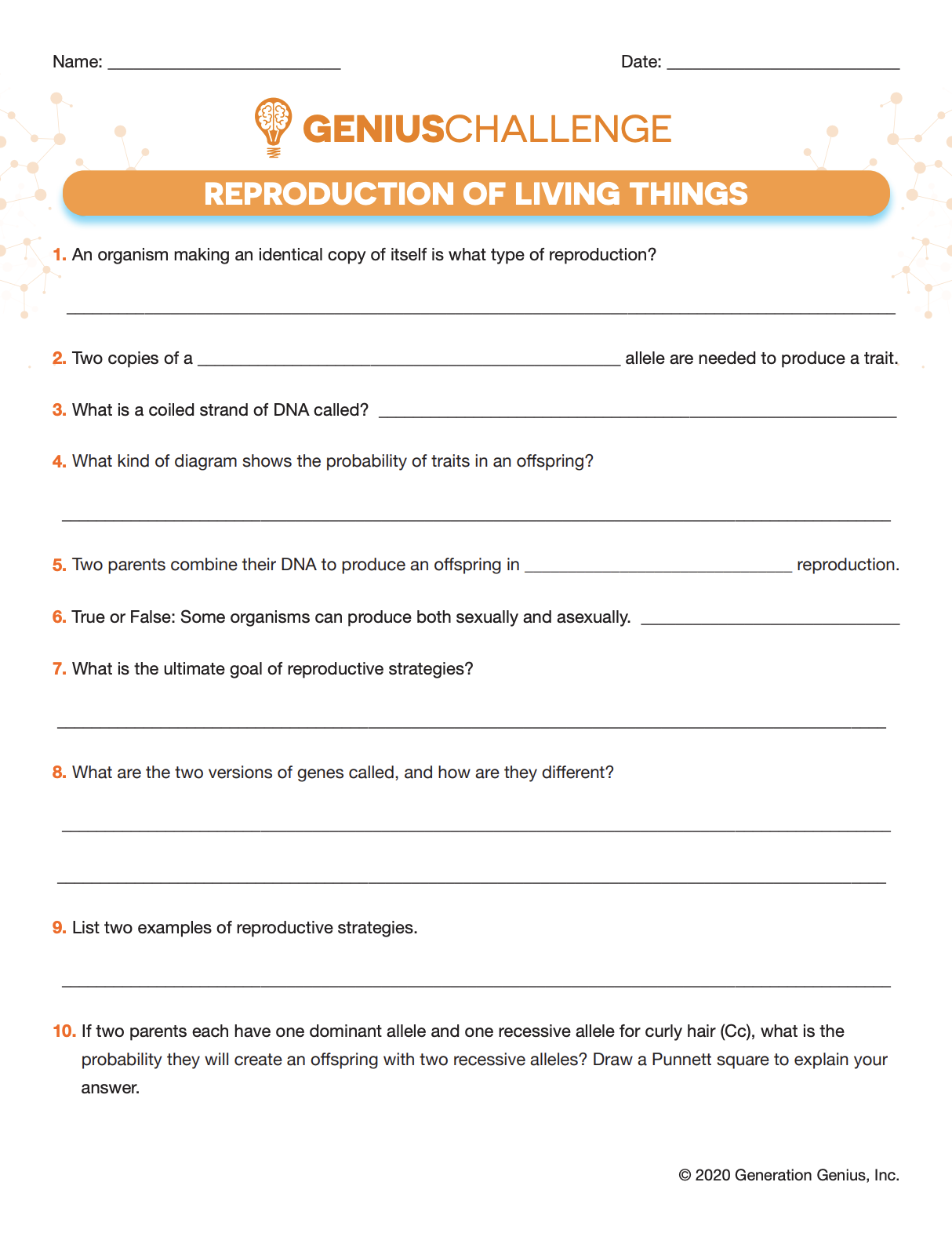
Reproduction of Living Things Worksheet
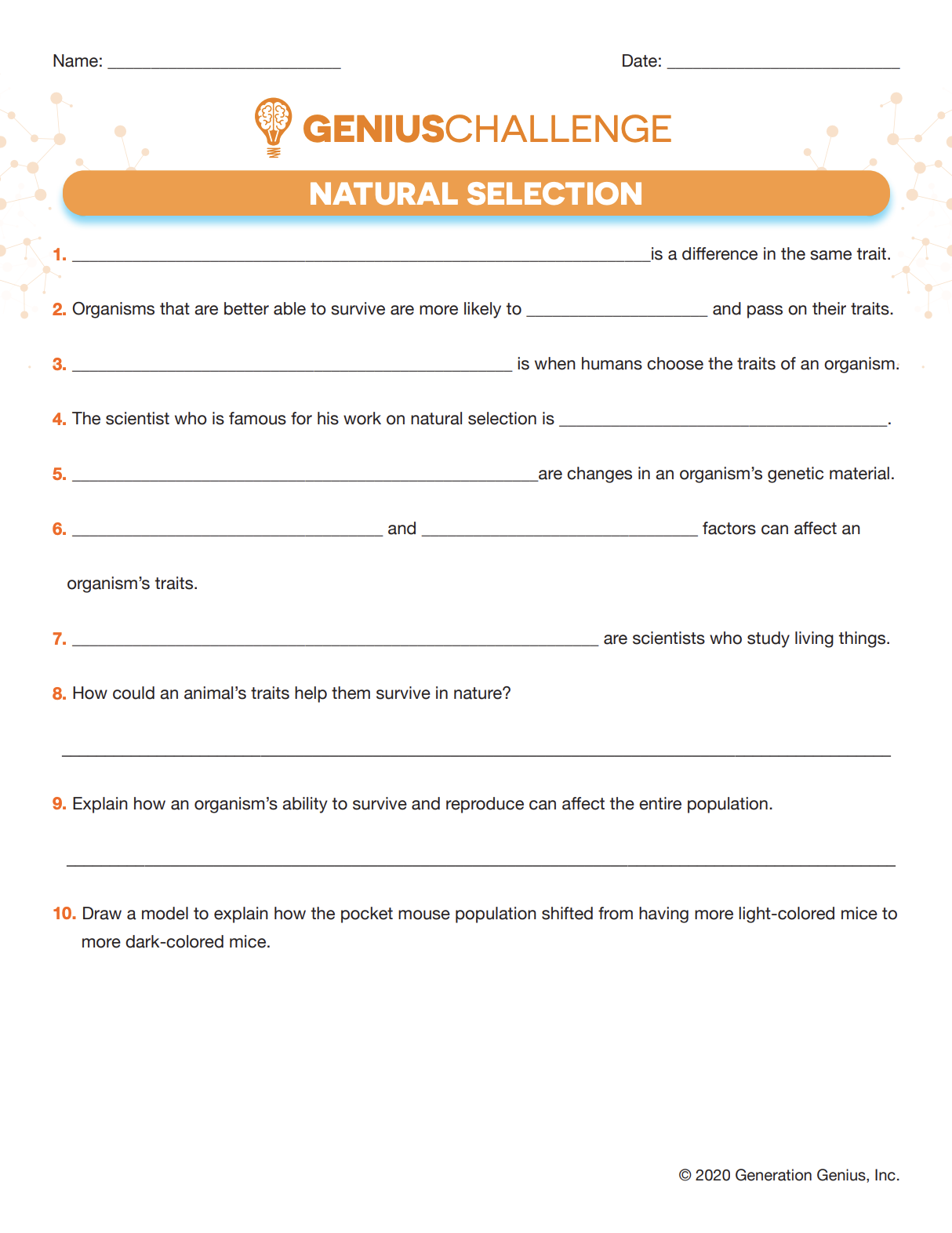
Natural Selection Printable Worksheet
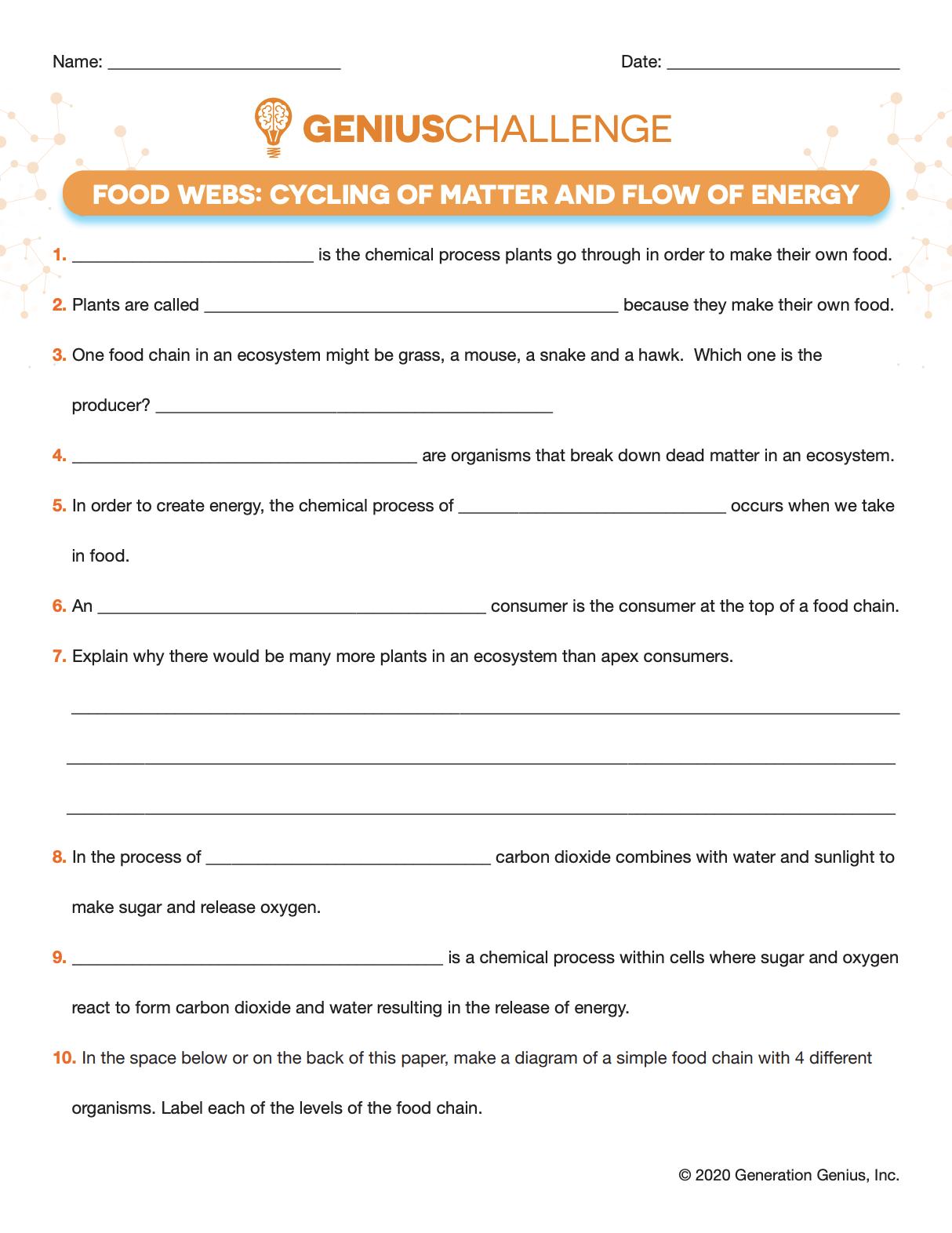
Food Webs: Cycling of Matter Worksheet
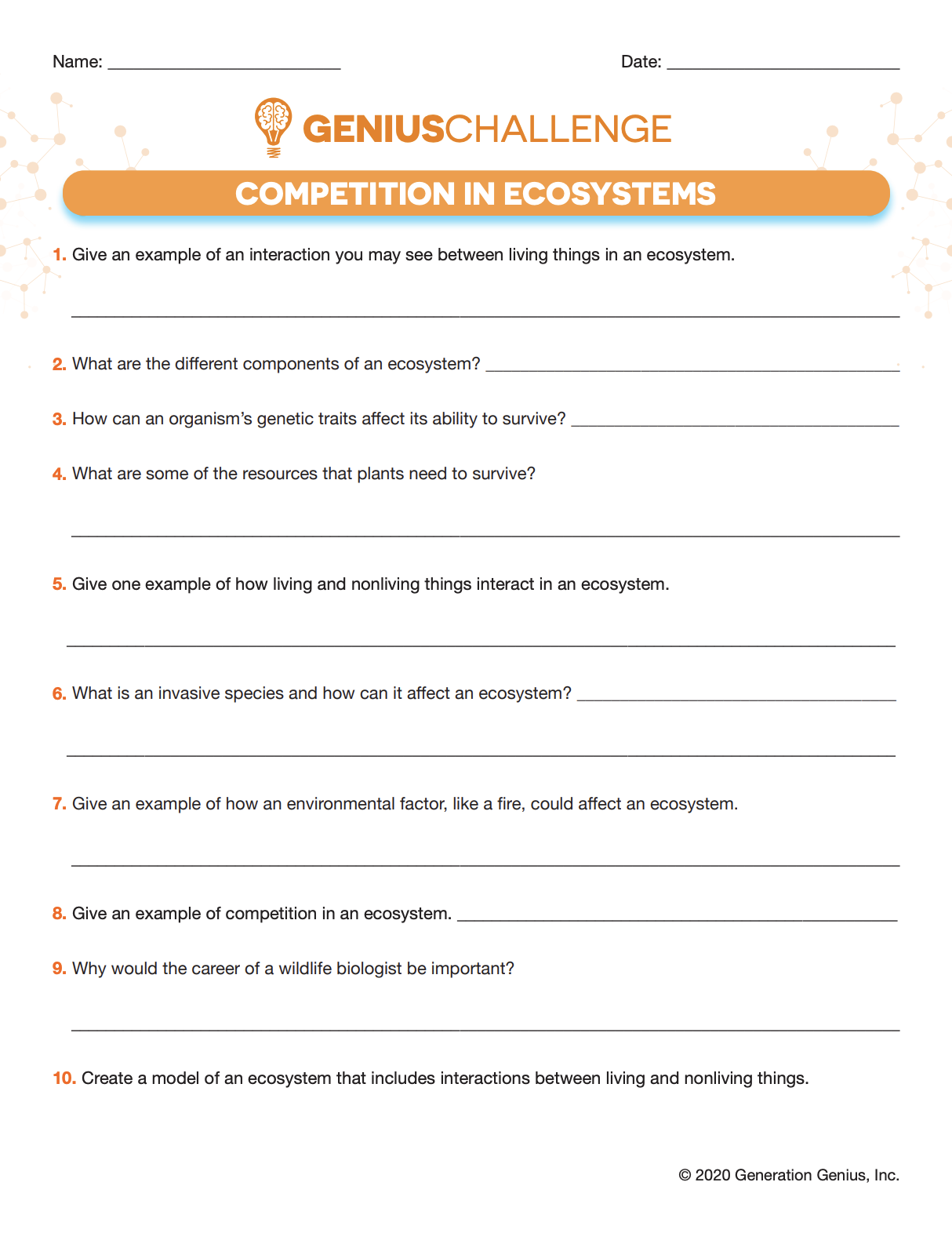
Competition in Ecosystems Worksheet
RELATED ARTICLES
Spring Equinox Science Lessons & DIY Activities (K-8)
March 20th is coming. Your students have already started staring out of the window at the extra sunlight. Here’s how to turn…
Spring Weather Science Lessons & DIY Activities (K-5)
Spring is coming. Between the erratic temperature swings and the inevitable “tornado drill” anxiety, your classroom is a pressure cooker.…

Spring Break Science Lessons & Weather DIY Activities (K-8)
The countdown to Spring Break is officially on. Here’s how to keep your students engaged with some fun spring break science…
Bring Science to Life in Your Classroom
Start your free trial to access hundreds of engaging Science, Math, and ELA resources aligned to your state standards.


 GENERATION GENIUS