March 20th is coming. Your students are already staring out the window at the extra sunlight. Here’s how to turn that ‘spring fever’ into actual science.
Start Here: The Misconception That Ruins Everything
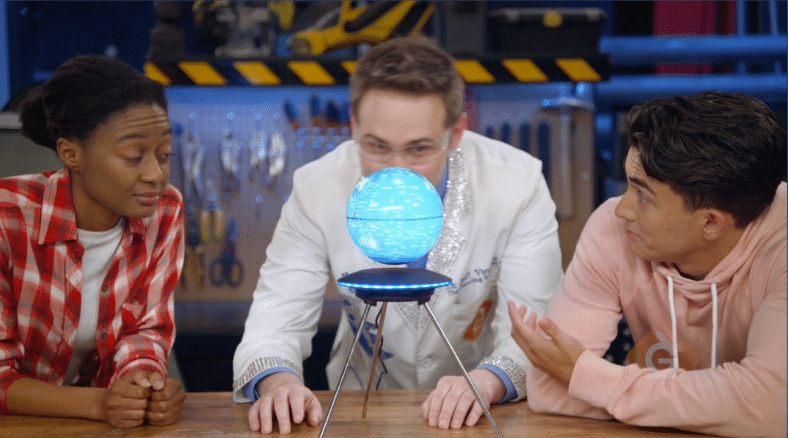
Ask your students why it gets warmer in the spring. Write down what they say.
Most will tell you it’s because the Earth is getting “closer to the sun.” They’re wrong—and if you don’t surface this belief before teaching, it’ll still be there in June when they’re wondering why it’s not 400 degrees outside.
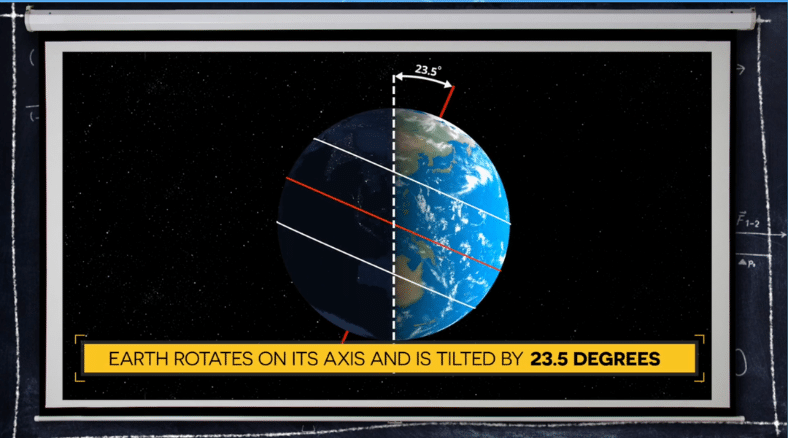
Here’s the fact that makes them pay attention: The Earth is actually closest to the sun in January. If distance mattered, we’d be sizzling during winter break. The Equinox is the one day where the Earth isn’t leaning toward or away from the sun—it’s the cosmic “reset” button where everyone on the planet gets an equal slice of day and night.
Spring Equinox DIY activities
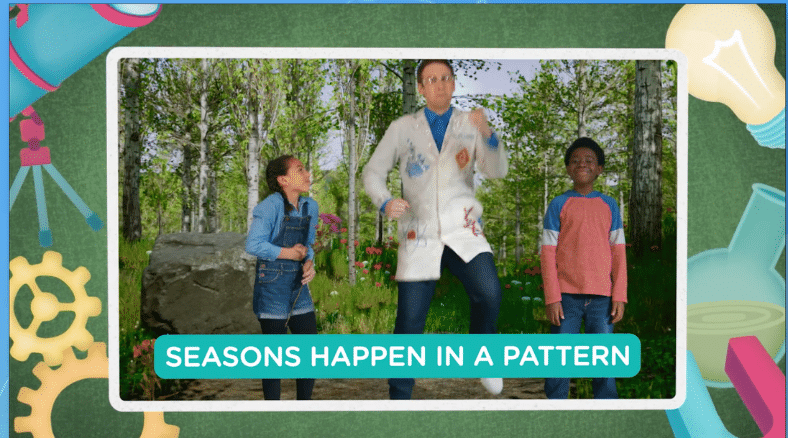
Grade K-2: The Four Seasons DIY activity
Grade 3-5: Sun Dial DIY activity
Grades 6-8: Causes of Seasons DIY activity
All Generation Genius DIY activities are easy to set up, low prep, and typically run under 30 minutes. For more on K-5 activities, check out Spring Weather Science Lessons & DIY activities.
Spring Equinox Resources by Grade
| Resource | Best For | Prep Level |
| Sun & Shadows | Grades K-2 | Zero prep |
| Four Seasons & Day Length | Grades K-2 | Zero prep |
| Earth’s Rotation & Orbit | Grades 3-5 | Zero prep |
| Causes of Seasons | Grades 6-8 | Zero prep |
Grades K-2: Shadows and Sunbeams
At this age, the Equinox is about the “disappearing” shadow. They don’t need orbital mechanics; they need to see that the sun is hanging out higher in the sky than it did at Halloween.
Sun and Shadows video for kids
Grades 3-5: The 12-Hour Balance
This is where the “Equal-nox” name actually clicks. Use the video to show them that the tilt is still there, we’re just catching the sun “side-on.”
Earth’s rotation & orbit video for kids
Grades 6-8: The Science Behind the Tilt
Middle schoolers may argue that the tilt changes. You have to prove to them that the tilt is constant, but our position in the orbit is what changes the game.This lesson dives more into the why behind the tilt.
Causes of Season video for kids
The “I Have 20 Minutes Before Dismissal” Version
No time to prep? Here’s exactly what to do:
Minutes 1-5: Grab a globe (or a basketball) and a flashlight. Show how the light hits the “middle” perfectly during the Equinox.
Minutes 6-15: Play the Four Seasons & Day Length (K-2) or Earth’s Rotation & Orbit (3-5) video. Let the visuals explain the 23.5-degree tilt so you don’t have to use your hands as props.
Minutes 16-20: Ask students to predict if tomorrow will have more or less sunlight than today.
The Spring Equinox is more than just the first day of spring. It’s the moment the Earth’s geometry finally makes sense to a kid.
Don’t let the spring fever win. Use the videos, try the DIY activities, and make the tilt stick.



 GENERATION GENIUS