The sun is finally out, the windows are open, and your students have the attention span of a caffeinated squirrel. Here’s how to teach life cycles without losing your mind to the chaos of “Spring fever.”
Start Here: Question That Prompts More Questions

Ask your students where a butterfly comes from. Write down what they say.
Most will tell you “the cocoon,” and they’ll stop there. They think life is a linear track with a start and a stop.
Here’s the fact that makes them pay attention: Every living thing is currently in the middle of a circle that never actually started.
Try telling a second grader that the caterpillar crawling on their sleeve is basically a “work-in-progress” for a creature that hasn’t finished its costume yet. It reframes the entire concept from a boring vocabulary list (egg, larva, pupa) into a survival story.
Spring Science & Life Cycle DIY Activities

Spring and life cycle science is a great opportunity to dive into some hands-on activities. According to Edutopia, “Science instruction in elementary school is essential. Learning about science boosts engagement and enhances self management and critical thinking.”
Grades K-2: Bird Caller DIY Activity
Grades K-2: Bird Feeder DIY Activity
Grades K-2: Diorama Habitat DIY Activity
Grades K-2: Biodiversity of Life on Earth DIY Activity
Grades K-2: Nature Walk DIY Activity
Grades 3-5: Egg Drop Challenge DIY Activity
Grades 3-5: Seed Grasping Challenge DIY Activity
Grades 3-5: Ant Farm DIY Activity
For more spring science articles, try these resources:
Spring Weather Science & DIY Activities (K-5)
Spring Equinox Science Lessons & DIY Activities
Spring Science Resources by Grade
| Resource | Best For | Prep Level |
| Living Vs. Non-Living Things | Grades K-2 | Zero prep |
| Biodiversity of Life on Earth | Grades K-2 | Zero prep |
| External Animal Parts | Grades K-2 | Zero prep |
| Animals Help Their Babies Survive | Grades K-2 | Zero prep |
| Living Things Change Their Environment | Grades K-2 | Zero prep |
| Introduction to Traits | Grades K-2 | Zero prep |
| Animal Group Behavior | Grades 3-5 | Zero prep |
| Animals Need Food | Grades 3-5 | Zero prep |
| Animal & Plant Life Cycles | Grades 3-5 | Zero prep |
| Adaption & the Environment | Grades 3-5 | Zero prep |
| Structure of Living Things | Grades 3-5 | Zero prep |
| Variation of Traits | Grades 3-5 | Zero prep |
| Plant & Animal Cells | Grades 6-8 | Zero prep |
| Classification of Living Things | Grades 6-8 | Zero prep |
| Natural Selection | Grades 6-8 | Zero prep |
Grades K-2: The “Everything Changes” Phase
At this age, kids think “growing up” just means getting taller. They need to see the cycle of going from baby to adult.
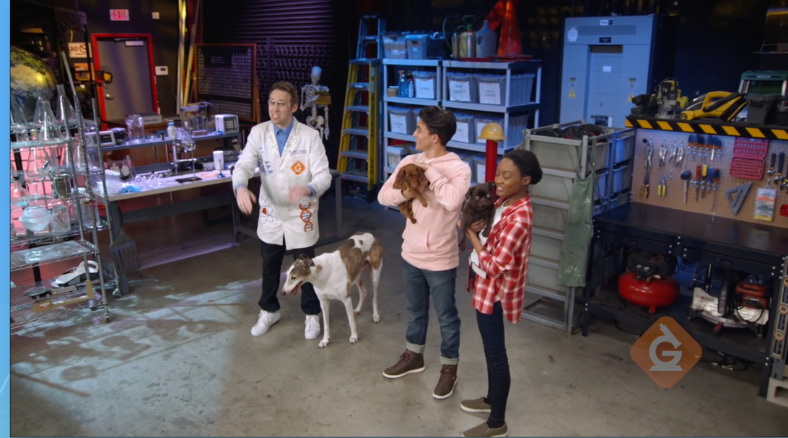
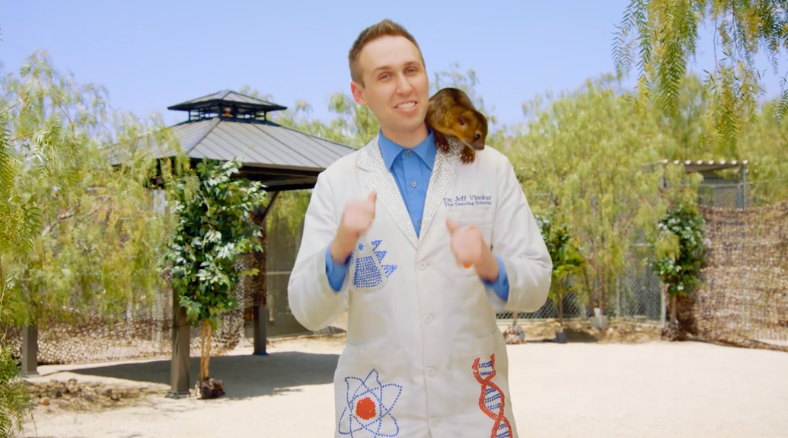
Animals Help Their Babies Survive Video for Kids
Grades 3-5: The Engineering of Survival
Upper elementary students are ready for the ‘why’ behind the ‘what.’ They know things grow. Now they want to know why a sea turtle lays a thousand eggs while a human has one baby. It’s about strategy and the high stakes of staying alive. They want to better understand the transformation of metamorphosis to realize that science is kind of weird.
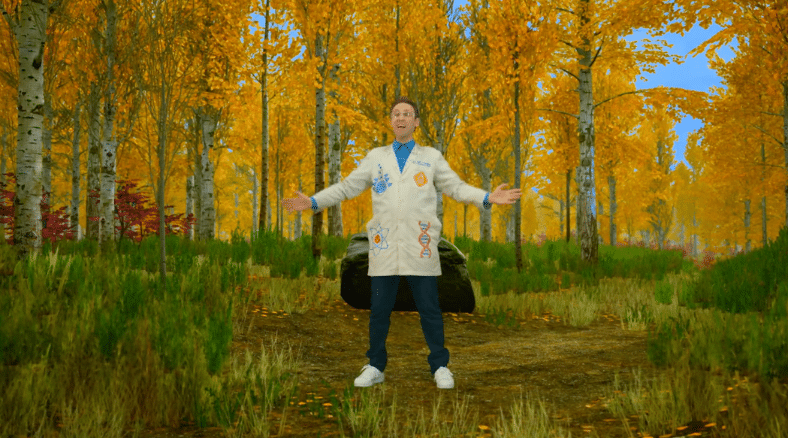
Animal & Plant Life Cycles Video for Kids
The “I Have 20 Minutes Before the Assembly” Version
No time to prep? Here’s exactly what to do:
Minutes 1-5: Ask: “If you were an animal that had to leave your babies forever the moment they were born, what would you give them to help them survive?” (Write the wild answers on the board).
Minutes 6-15: Play the Animals Help Their Babies Survive (K-2) , Animal Life Cycles (3-5) , or Natural Selection (6-8) video.
Minutes 16-20: Have them draw one “survival tool” an organism uses in its life cycle.
Bonus – Showcase your life cycle art in the classroom or hallway.
Spring science is more than just drawing flowers and coloring eggs. It’s the best time of year to show kids that the world is constantly rebuilding itself.


 GENERATION GENIUS