The arrival of the live caterpillar shipment is the most stressful day of the spring. Here’s how to keep the kids engaged without losing your mind over a chrysalis.
Start Here: Ask Curious Questions
Ask your students what happens inside a chrysalis. Write down what they say.
Most will tell you the caterpillar just “grows wings” or puts on a suit.
Here’s the fact that makes them pay attention: The caterpillar basically turns into soup.
It doesn’t just sprout limbs; it releases enzymes that dissolve its entire body into a liquid protein goop before reassembling into a butterfly. It’s biological recycling at its most metal.
Butterfly Life Cycle Resources by Grade
| Resource | Best For | Prep Level |
| Animal & Plant Life Cycle | Grades 3-5 | Zero prep |
| Structure of Living Things | 3-5 | Zero prep |
| Life Cycle Definition | 3-5 | Zero prep |
| Metamorphosis Definition | 3-5 | Zero prep |
| Larvae Definition | 3-5 | Zero prep |
| Spring Science Lessons & Life Cycle DIY Activities | All grades | Zero prep |
| Animal & Plant Life Cycle DIY Activity | All grades | Low prep |
Grades 3-5: The Chemistry of Change
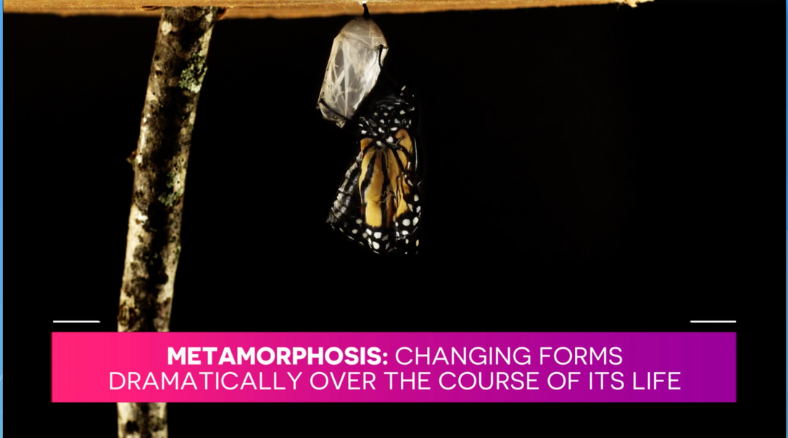
These students are ready for the “why.” They want to know about the transition from larva to pupa to adult and why it’s called complete metamorphosis.
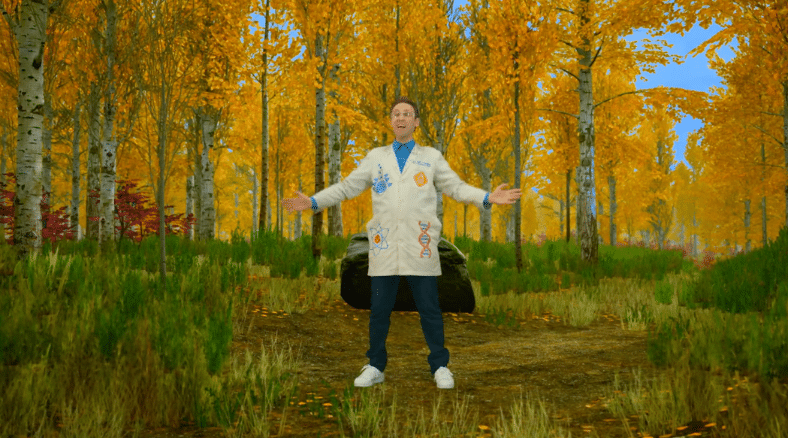
Animal & Plant Life Cycle Video for Kids
The “I Have 20 Minutes Before Dismissal” Version
No time to prep? Here’s exactly what to do:
Minutes 1-5: Ask the class: “If you melted into a puddle, could you turn into a bird?” Use the “soup” analogy to hook them.
Minutes 6-15: Play the Animal & Plant Life Cycle video.
Minutes 16-20: Have them draw the four stages.
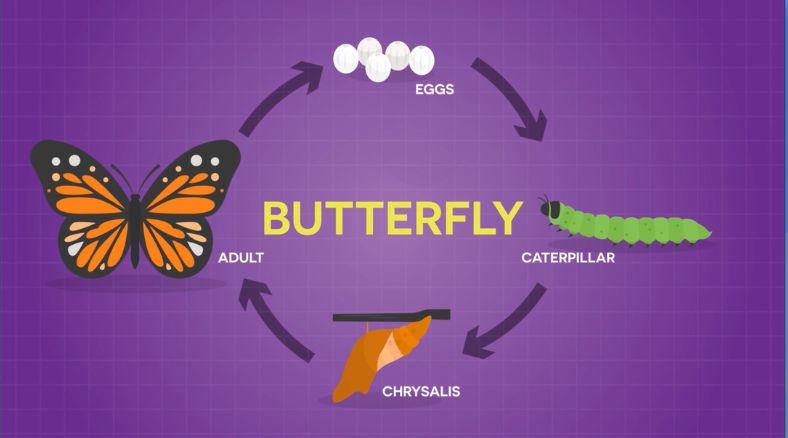
The butterfly life cycle is more than just a cute classroom pet project. It’s a literal transformation that challenges how kids think about the natural world.
For my Life Cycle content, check out Frog Life Cycle Science Metamorphosis Lessons & DIY Activities (K-5)


 GENERATION GENIUS