May 23rd is right around the corner, and your students are already mentally at the pool. Here’s how to channel that chaotic end-of-year energy into actual science before the final bell rings.
Start Here: The Hatching Question
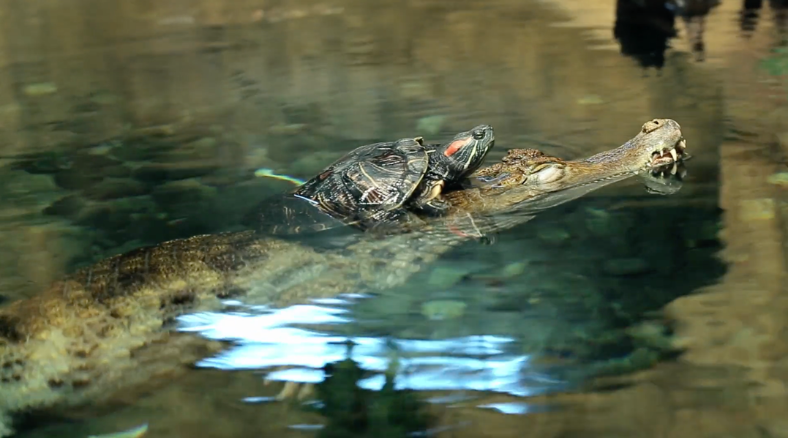
Ask your students where a sea turtle goes after it hatches on the beach. Write down what they say.
Most will tell you they just swim around the shallow water near the shore with their moms like a cartoon movie.
Here’s the fact that makes them pay attention: Baby sea turtles spend their first few years completely lost at sea, hiding in floating seaweed thousands of miles away, and their parents never see them again.
Try telling a seven-year-old that a turtle hatchling has to navigate the Atlantic Ocean entirely solo from day one without a GPS or a snack pack.
World Turtle Day Science DIY Activities (K-5)
Whether you want to dive into life cycles, habitats, or conservation science, your students have plenty of options to celebrate and learn more about turtles. According to Edutopia, “Using natural materials can spark imagination and curiosity.” Try to take the learning outdoors with a fun activity.
Consider the following fun DIY activities:
Grades K-2: Biodiversity Study DIY Activity
Grades K-2: Diorama Habitat DIY Activity
Grades K-2: Nature Walk DIY Activity
Grades 3-5: Grow an Avocado DIY Activity
World Turtle Day Resources by Grade
| Resource | Best For | Prep Level |
| Oceans, Lakes, and Rivers | K-2 | Zero prep |
| Inspired by Nature – Biomimicry | K-2 | Zero prep |
| External animal parts | K-2 | Zero prep |
| Biodiversity of Life on Earth | K-2 | Zero prep |
| Living Vs. Non-Living Things | K-2 | Zero prep |
| Animal Habitats | K-2 | Zero prep |
| Animals & Plant Life Cycles | 3-5 | Zero prep |
| Ecosystems | 3-5 | Zero prep |
| Adaptions & the Environment | 3-5 | Zero prep |
Grades K-2: Where Animals Live
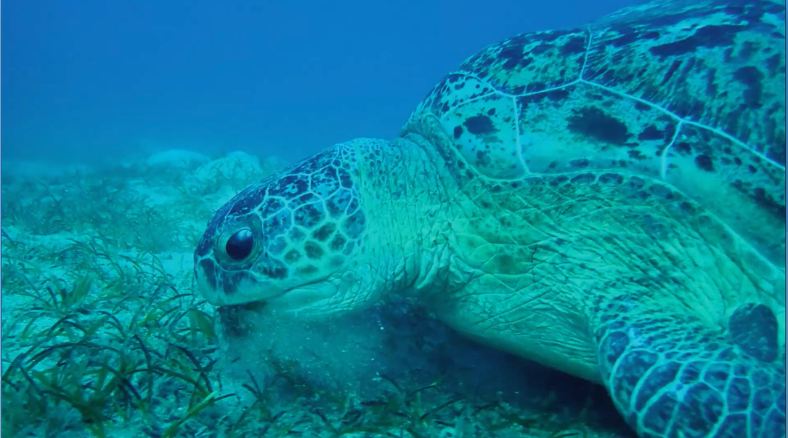
At this point in May, six-year-olds need visual proof to stay locked in. They know turtles live in shells, but they don’t realize how a specific environment dictates everything from the shape of their flippers to what they eat.
Grades 3-5: The Survival Gauntlet
Third through fifth graders love weird survival statistics. When teaching life cycles, skip the generic circle diagram and focus on the actual stakes: how an organism survives from an egg to an adult against all odds.
Animal & Plant Life Cycles video for Kids
The “I Have 20 Minutes Before the Talent Show Practice” Version
No time to prep? Here’s exactly what to do:
Minutes 1-5: Ask the room: “How does a turtle’s shell change as it grows up?” Let them discuss for a minute while you pull up the video.
Minutes 6-15: Play the grade-appropriate Generation Genius Animal Life Cycle video.
Minutes 16-20: Do the online exit ticket quiz on the screen as a whole group.
Bonus time: Have your students draw a turtle and decorate their external shell (aka the turtle’s home) display for all to see.
World Turtle Day is more than just looking at cute pictures of reptiles. It’s a perfect gateway into understanding how habitats and life cycles keep ecosystems functioning.
For more on conservation, check out Earth Day Oil Spill Clean-up DIY Activity


 GENERATION GENIUS