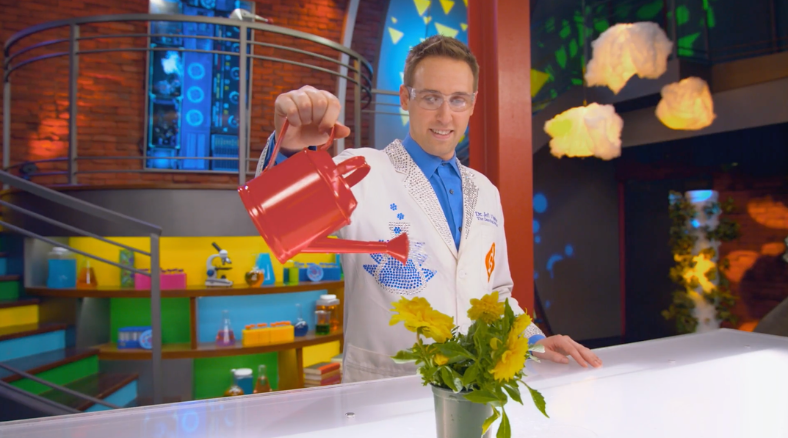
It’s that time of year when every student wants to bring in a mystery bean and “watch it grow.” Here’s how to make sure they actually learn about life cycles instead of just growing a cup of mold in the back of the room.
Start Here: What Makes That Plant Grow?

Ask your students where a giant oak tree gets its “stuff” to grow so big. Write down what they say.
90% will tell you “the dirt.”
Here’s the fact that makes them pay attention: Plants are mostly made of air.
Try telling a 3rd grader that the massive tree on the playground is basically “organized breath” and sunlight. It breaks their brains in a good way. If they think it’s just the soil, they’ll never understand why a seed can sprout in a wet paper towel with zero dirt involved.
Planting Season Science DIY Activities

Incorporating a classroom garden is a great way to see the bigger picture when it comes to life science. According to Edutopia, ” For example, classroom flower plots are great way to introduce photosynthesis and the life cycle of plants.” Whether you want to make a small classroom windowsill garden or expand into something bigger, there are plenty of fun way to incorporate hands-on activities.
- Grades K-2: Grow Plants in a Jar DIY Activity
- Grades K-2: Color Changing Celery DIY Activity
- Grades K-2: Make a Seed Model DIY Activity
- Grades 3-5: Seed Grasping Challenge DIY Activity
- Grades 3-5: Plant Growth Conditions DIY Activity
- Grades 3-5: Windowsill Garden DIY Activity
- Grades 3-5: Grow an Avocado Plant DIY Activity
All Generation Genius DIY activities are low prep, low cost, and a great way to fit in a class activity during the day. Most activities run between 15 to 45 minutes long.
Planting & Life Cycle Resources by Grade

| Resource | Best For | Prep Level |
| Parts of a Plant | Grades K-2 | Zero prep |
| Pollination & Seed Dispersal | Grades K-2 | Zero prep |
| Seed Definition | Grades K-2 | Zero prep |
| Plants Need Water & Light | Grades K-2 | Zero prep |
| Plant Growth Conditions | Grades K-2 | Zero prep |
| Animal & Plant Life Cycle | Grades 3-5 | Zero prep |
| Adaptions & the Environment | Grades 3-5 | Zero prep |
Grades K-2: It’s Not Just “Magic”
At this age, kids think plants just happen. They need to see the stages—seed, sprout, adult, flower—as a predictable loop, not a one-time trick. Show them how a plant’s entire “job” is to make more seeds so the cycle never ends.
Parts of a Plant Video for Kids
Grades 3-5: The Engineering of a Seed
By 3rd grade, they’ve seen a sprout. Now they need to know how it got there. Focus on the plant life cycle. It moves them past “watering a pot” and into the mechanics. Which gives you the chance to jump right into spring science and the life cycle process.
Animal & Plant Life Cycle Video for Kids
The “I Have 20 Minutes Before Lunch” Version
No time to prepare the “perfect” garden? Here’s exactly what to do:
Minutes 1-3: Ask “What do seeds need to wake up?” (Let them guess ‘dirt’ so you can prove them wrong later).
Minutes 4-16: Play the Parts of Plant (K-2) or Plant Life Cycles (3-5) video.
Minutes 17-20: Have them draw the one part of the cycle they think is the “coolest.”
Display your seed art for everyone to see in your classroom or school hallway.
Planting season is more than just getting your hands dirty. It’s about showing kids that nature has a blueprint that actually makes sense.



 GENERATION GENIUS