Fall break is right around the corner. Your students are ready to go now and you’re just trying to keep your learners engaged to the end of the week. Here’s how to turn the fall holiday bump into a seasonal learning extravaganza.
Start Here: The Tiny Seed
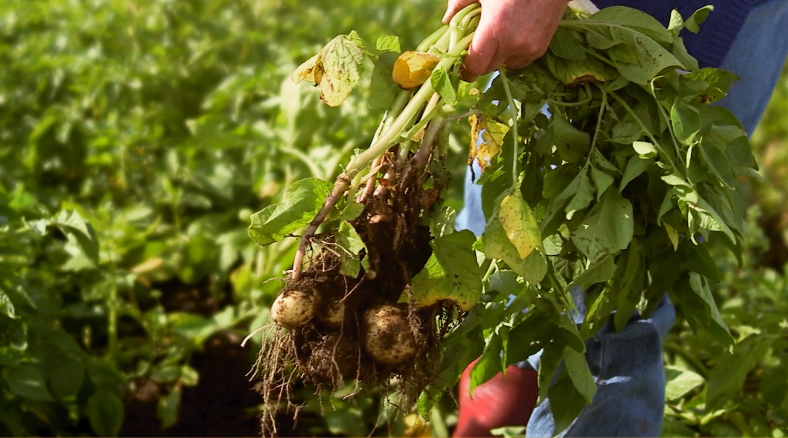
Ask your students how a pumpkin grows from a tiny seed into a 500-pound giant. Write down what they say.
Here’s the fact that makes them pay attention: Plants pull their mass out of thin air.
Try telling a kid that a prize-winning giant pumpkin is mostly made of carbon dioxide and water, not soil. Watch their minds completely short-circuit.
Fall Harvest Science Resources by Grade
| Resource | Best For | Prep Level |
| Parts of a Plant | K-2 | Zero prep |
| Plants Need Water & Light | K-2 | Zero prep |
| Plant Growth Conditions | K-2 | Zero prep |
| Plant Growth Definition | K-2 | Zero prep |
| Pollination & Seed Dispersal | K-2 | Zero prep |
| Animal & Plant Life Cycles | 3-5 | Zero prep |
| Variation of Traits | 3-5 | Zero prep |
| How do We Use Food | 3-5 | Zero prep |
| Food Webs | 3-5 | Zero prep |
| Color Changing Celery DIY Activity (Parts of a Plant) | K-2 | Low prep |
| Make a Seed Model DIY Activity (Pollination & Seed Dispersal) | K-2 | Low prep |
| Comparing Soil DIY Activity (Plant Growth Conditions) | K-2 | Low prep |
| Grow Plants in a Jar DIY Activity (Plants Need Water & Light) | K-2 | Low prep |
| Grow an Avocado Plant DIY Activity (Animal & Plant Life Cycles) | 3-5 | Low prep |
| Plant Growth Conditions DIY Activity (Variation of Traits) | 3-5 | Low prep |
| Windowsill Garden DIY Activity (How do We Use Food) | 3-5 | Low prep |
Grades K-2: Edible Plant Parts
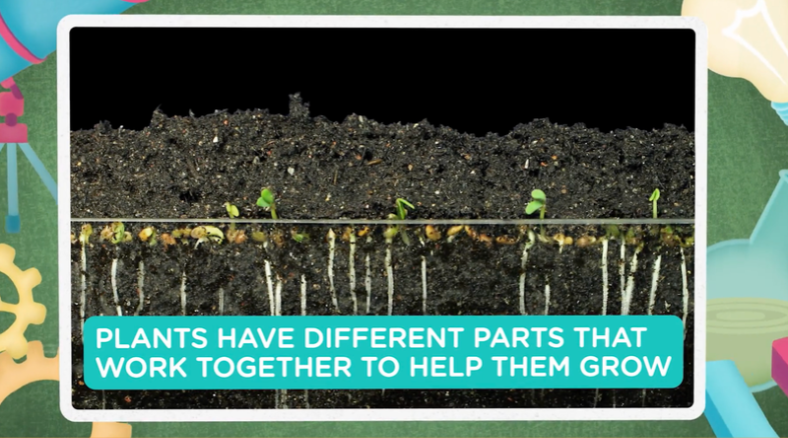
They love food and they love dirt. Connect the two by showing them that the harvest on their dinner table is just plant anatomy. When they eat carrots, they are eating roots. When they eat celery, they are eating stems.
Parts of a Plant Activities + Video
Grades 3-5: Where Food Actually Comes From
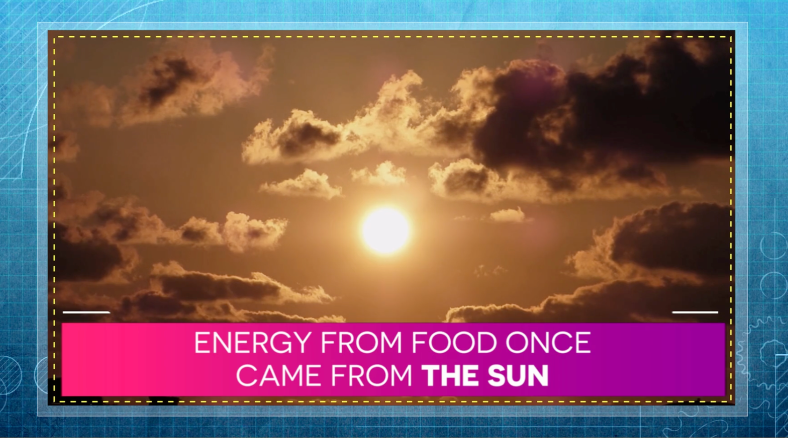
They are old enough to understand systems now. Harvesting isn’t just picking apples. Naturally, it’s agriculture, photosynthesis, and energy transfer. We move from identifying what a plant is to understanding how it survives, grows, and eventually feeds us. For more on food, check out Food Webs.
How We Use Food Activities + Video
The “I Have 20 Minutes Before the Fall Break Assembly” Version
No time to prep for your K-2 class? Here’s exactly what to do:
Minutes 1-5: Ask “Does a pumpkin eat dirt?” and write their wild theories on the board.
Minutes 6-15: Play the Generation Genius Plant Growth Conditions (K-2) or Plants Need Water or Light (K-2) video.
Minutes 16-20: Do the post-video discussion questions to prove they actually learned something.
Bonus activity🚀: Start a classroom conversation around all the different seasonal foods learners can eat during the fall season. Take notes on the white board while encouraging brainstorming, creativity, and classroom collaboration.
Fall harvest science is more than just gluing leaves to construction paper. It’s the foundation of how energy moves through our world. Use the activities to get them thinking about what’s actually on their plates.
For more seasonal content, check out Fall Equinox Science Lessons & Activities (K-8)


 GENERATION GENIUS