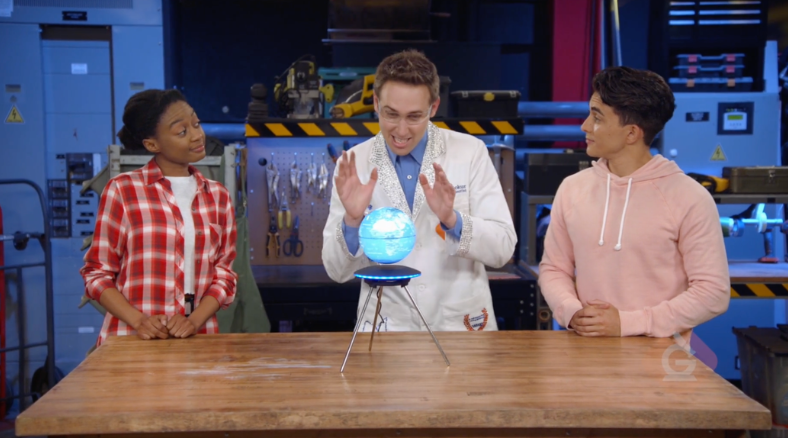
September is slipping away, the leaves are turning, and your kids are staring out the window at 2:00 PM wondering why it already looks like dinner time. Here’s how to turn the fall equinox into real science without spending your Sunday gluing construction paper leaves.
Start Here: The Weather Question
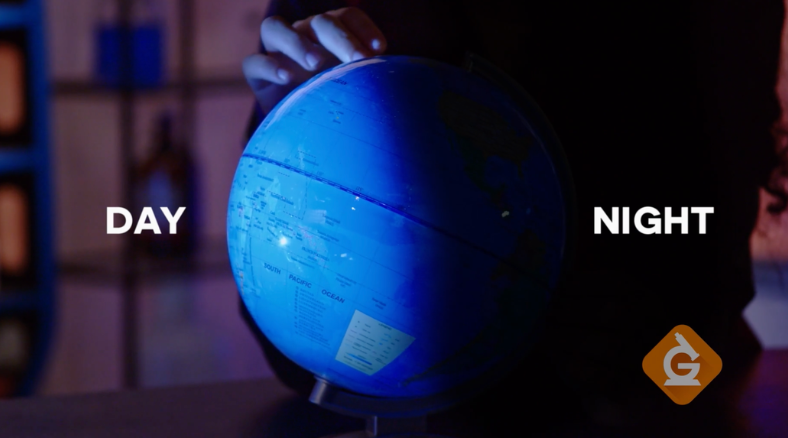
Ask your students why the weather gets colder during fall and winter. Write down what they say.
90% of them will tell you it’s because the Earth moves farther away from the sun.
Here’s the fact that makes them pay attention: Earth is actually closest to the sun in January.
Try telling a kid in Australia that it’s cold in December because we’re “too far from the sun” while they’re literally eating ice cream at the beach in 90-degree heat.
Fall Equinox & Solstices DIY Activity
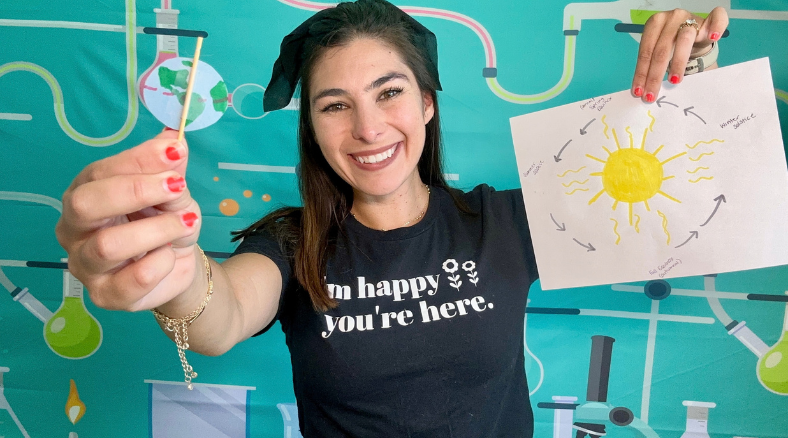
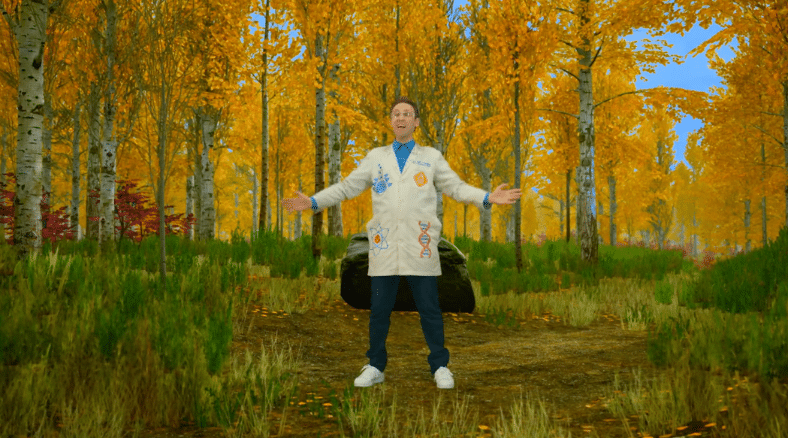
Equinoxes mark the beginning of fall and winter. If you’re looking for a fun way to connect the dots, check out the Fall Equinox DIY activity with teachmesomethingood, teacher Taylor Blair.
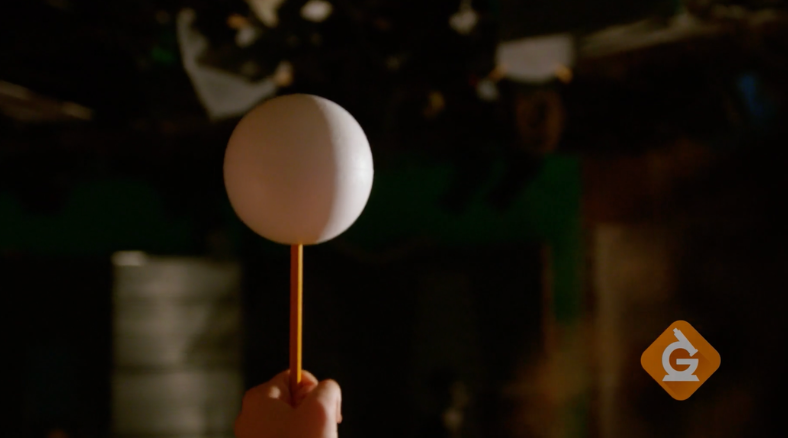
In this low-prep DIY activity, you’re going to make a mini Earth and a diagram to help break down and explain exactly how and why these equinoxes take place. All you need is a few supplies to get started and the DIY activity video is below.
Materials:
•Art supplies (Crayons / Markers / Colored Pencils)
•White Paper
•Tooth Picks
•Blue Paper
Fall Equinox Resources by Grade
| Resource | Best For | Prep Level |
| Four Seasons & Day Length | K-2 | Zero prep |
| Patterns in the Sky | K-2 | Zero prep |
| Earth’s Orbit & Rotation | 3-5 | Zero prep |
| Moon & Phases | 3-5 | Zero prep |
| Causes of Seasons | 6-8 | Zero prep |
| Seasons Tree DIY Activity | K-2 | Low prep |
| Moon Phases DIY Activity | 3-5 | Low prep |
| Sundial DIY Activity | 3-5 | Low prep |
| Light Intensity Observer DIY Activity | 6-8 | Low prep |
| The Four Seasons Music Video Song | K-2 | Zero prep |
| Earth’s Orbit & Rotation Article + Activities | 3-5 | Zero prep |
Grades K-2: The Changing Sun
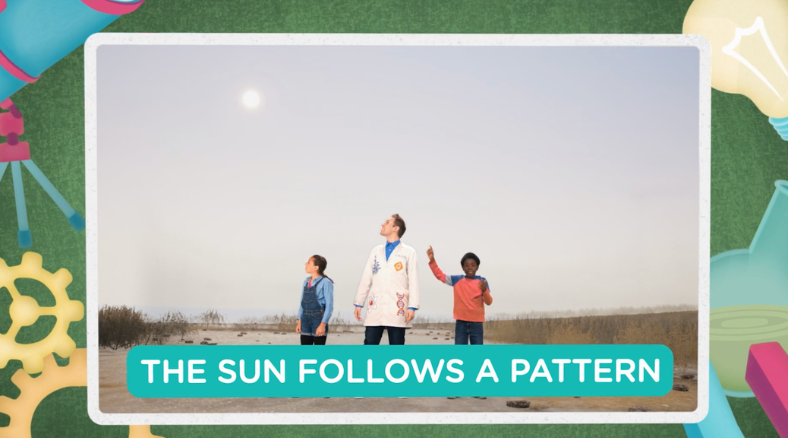
K-2 kids experience shorter days directly, but they think the sun literally goes to sleep early. They need visual proof of seasonal patterns without reading-heavy sections.
Four Seasons & Day Length Video for Kids
Grades 3-5: The Orbit Connection
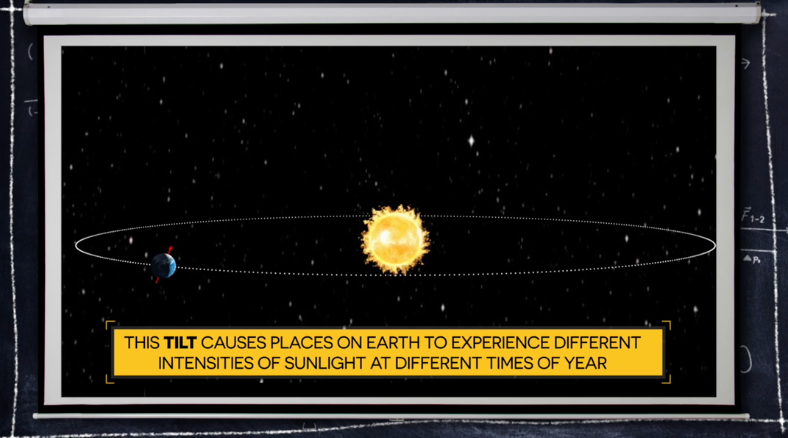
3rd through 5th graders are ready for the mechanics of orbit versus rotation. They need to see that Earth doesn’t bob closer and farther from the sun; it stays tilted in one direction as it travels around it.
Earth’s Orbit & Rotation Video for Kids
Grades 6-8: Direct vs. Indirect Sunlight
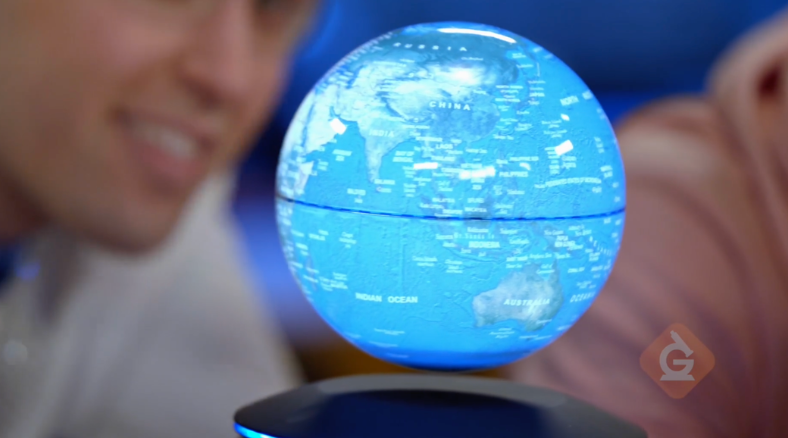
Middle schoolers need quantitative clarity: angle of incidence, solar radiation intensity, and MS-ESS1-1 alignment. They need a lesson that explains equal day and night without treating them like little kids. Give them the why and they’re ready to dig in.
Causes of Seasons Video for Kids
The “I Have 20 Minutes Before Dismissal” Version
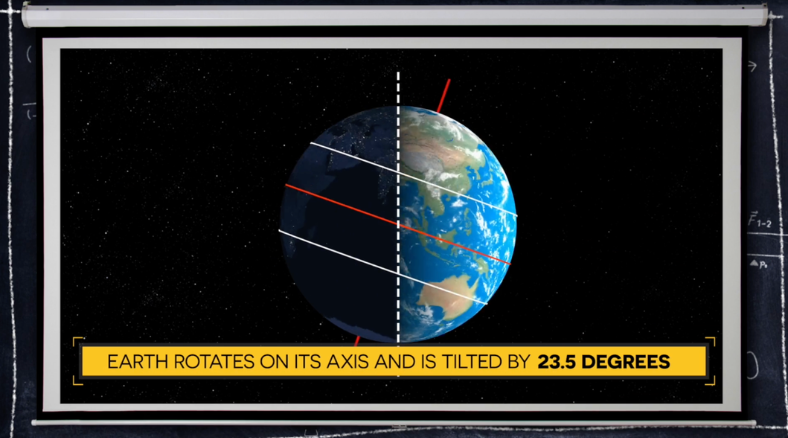
No time to prep? Here’s exactly what to do:
Minutes 1-5: Ask your students: “If Earth is cold in winter, are we closer or farther from the sun?” Write their wrong answers on the board.
Minutes 6-15: Play the Generation Genius lesson for your grade band. Let the video handle the heavy lifting.
Minutes 16-20: Grab a globe and a flashlight. Turn off the lights, tilt the axis, and ask them to fix the wrong answers on the board.
The fall equinox is more than just an excuse to bring pumpkin spice into the staff room. It’s the cleanest entry point you’ll get all semester to fix the biggest space science misconception on Earth.
For more on exploration, check out Space Exploration Science Lessons & DIY Activities (K-8)


 GENERATION GENIUS