November is essentially a thirty-day Friday afternoon. Your students are dancing with holiday energy, your brain is fried, and everyone expects you to do a holiday craft. Here’s how to turn “giving thanks” into actual neuroscience so you can survive until break.
Start Here: What is Gratitude?
Ask your students what gratitude is. Write down what they say.
Most will tell you it’s “saying thank you” or “being polite.”
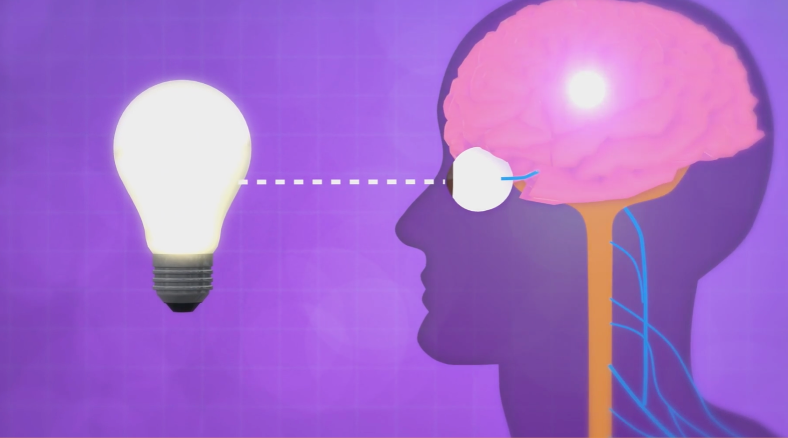
Here’s the fact that makes them pay attention: Gratitude isn’t just a nice thought. In fact, it’s a physical chemical reaction in your brain.
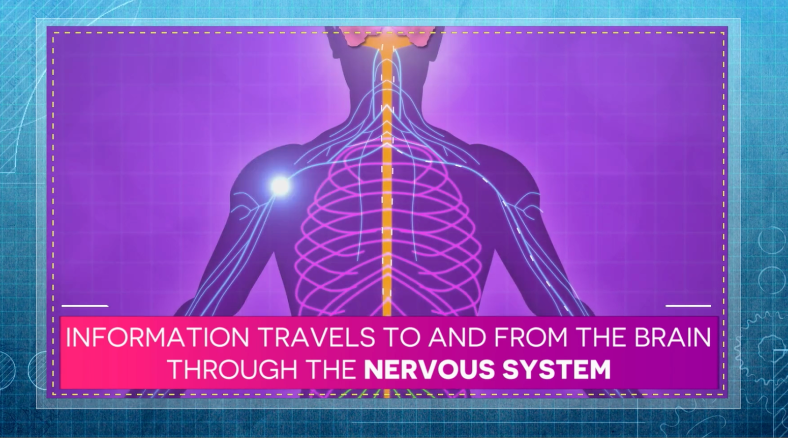
Try telling a third grader that saying “thanks” literally shoots dopamine and serotonin into their nervous system like a biological video game power-up. Suddenly, it’s not a boring manners lesson—it’s neurobiology. They’re actually hacking their own brains.
Gratitude Science Resources by Grade
| Resource | Best For | Prep Level |
| Five Senses | K-2 | Zero prep |
| Brain Processing Information | 3-5 | Low prep |
| Scratch & Sniff DIY Activity (Five Senses) | K-2 | Low prep |
| Reaction Time DIY Activity (Brain Processing of Time) | 3-5 | Low prep |
Grades K-2: Senses and Signals
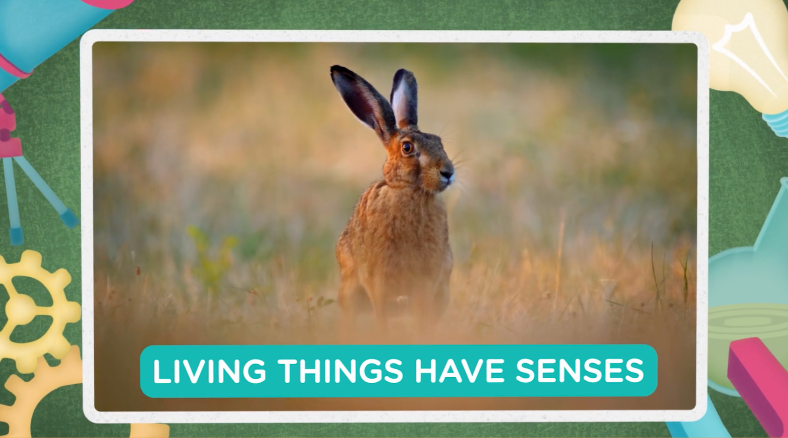
First graders don’t care about neurotransmitters, but they do care about how things feel. This age is highly sensory. We focus on how the brain takes in positive signals—like a high-five or seeing a friend—and sends “happy messages” to the rest of the body.
Five Senses Activities + Video
Grades 3-5: Brain Processing & Rewiring
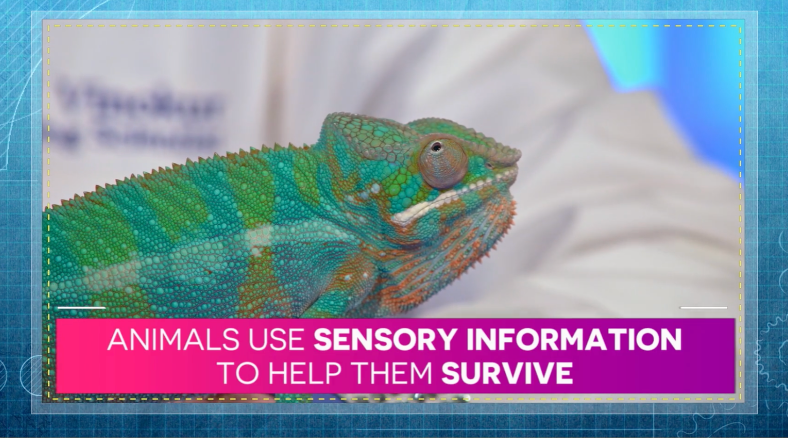
Upper elementary kids are obsessed with how things work under the hood. They are perfectly primed to learn about neural pathways. You can show them how practicing gratitude actually physically thickens the brain’s pathways over time. This means it’s literally rewiring their hardware to process information differently.
Brain Processing of Information Activities + Video
The “I Have 20 Minutes Before Lunchtime ” Version
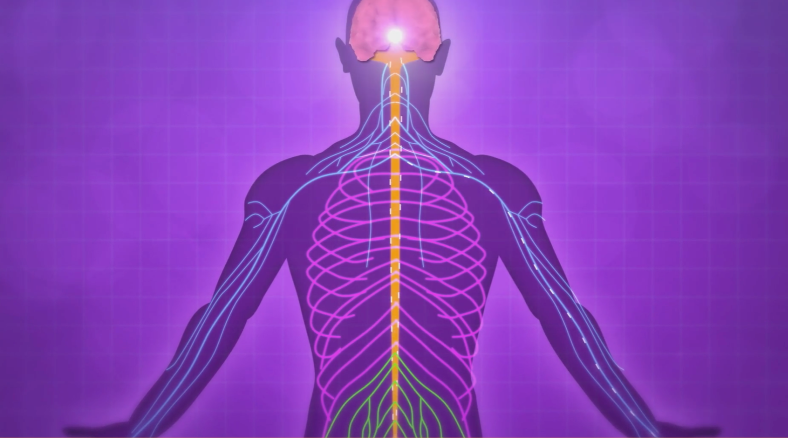
No time to prep? Here’s exactly what to do:
Minutes 1-5: Ask your learners to name something they are thankful for. Place them in small groups and ask them to point to where that feeling happens in their body. Tell them it’s actually happening in their neural pathways.
Minutes 6-15: Play the Generation Genius Five Senses (K-2) or Brain Processing of Information (3-5) science video for your grade level.
Minutes 16-20: Have them draw a simple outline of a brain and map the “gratitude signals” shooting out to the rest of the body.
Gratitude Month is more than just construction paper leaves and forced thank-you notes. It’s the perfect project for teaching human biology and the nervous system. Consider using the activities and video lessons to start conversations around brain chemistry. Once students understand how their brain (& emotions work), they’ll be hooked.
For more seasonal content, check out National STEM Day / Week Lessons & DIY Activities (K-8)


 GENERATION GENIUS