Your learners are currently dreaming of the beach.Here’s how to harness that beach energy for actual science standards before summer vacation.
Start Here: The Question that Sparks Engagement
Ask your students where the oxygen they breathe comes from. Write down what they say.
Most will look at you like you’re asking a trick question and point out the window toward the nearest tree.
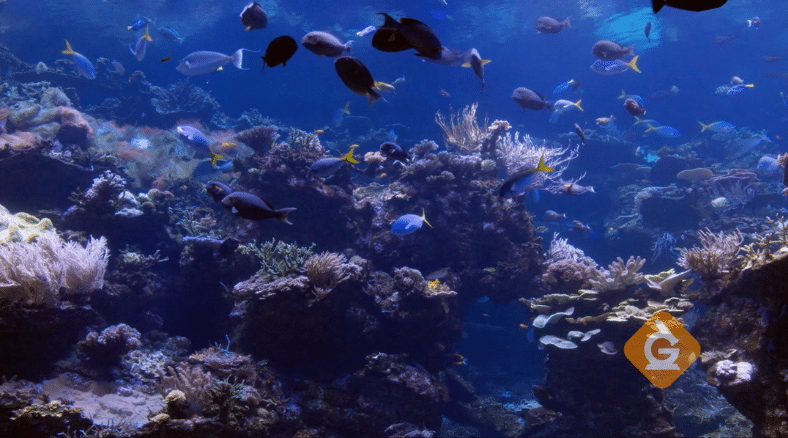
Here’s the fact that makes them pay attention: Most of the world’s oxygen doesn’t come from rainforests or trees. It comes from microscopic floating plant-like organisms in the ocean called phytoplankton.
Try telling a kid who loves trees that every second breath they take actually comes from ocean slime. It breaks their brains in a good way.
Ocean Science DIY Activities
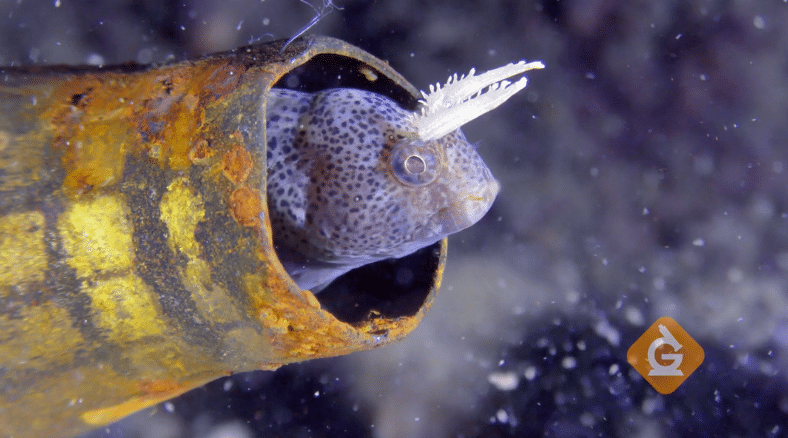
K-2: Oceans, Lakes, and Rivers DIY Activity
3-5 Water Filtration DIY Activity
3-5 Water Cycle Model DIY Activity
Looking for more STEM DIY fun activities? End-of-Year Brain Breaks
Ocean Science Sing-a-longs
K-2: Earth’s Water Song
Ocean Science Resources by Grade
| Resource | Best For | Prep Level |
| Oceans, Lakes, and Rivers | K-2 | Zero prep |
| Reducing our Impact on Earth | K-2 | Zero prep |
| Maps and Landforms | K-2 | Zero prep |
| Water Quality and Distribution | 3-5 | Zero prep |
| Ecosystems | 3-5 | Zero prep |
| Ecosystems Resources | 3-5 | Zero prep |
| Ecosphere Definition | 3-5 | Zero prep |
| Water Cycle (3-5) | 3-5 | Zero prep |
| Climate Zones & Ocean Currents | 6-8 | Zero prep |
| Ocean Current Definition | 6-8 | Zero prep |
Grades K-2: Who Lives Where
Six-year-olds think the ocean is just a giant bathtub filled with sharks and fish. They don’t naturally grasp that ocean animals rely on specific plants and environments just to survive, or how a tide pool works. They need visual proof that everything in the water is connected. Let’s start with learning more about how the different water spaces work together.
Ocean, Lakes, and Rivers Video for Kids
Grades 3-5: The Deep Ocean Network
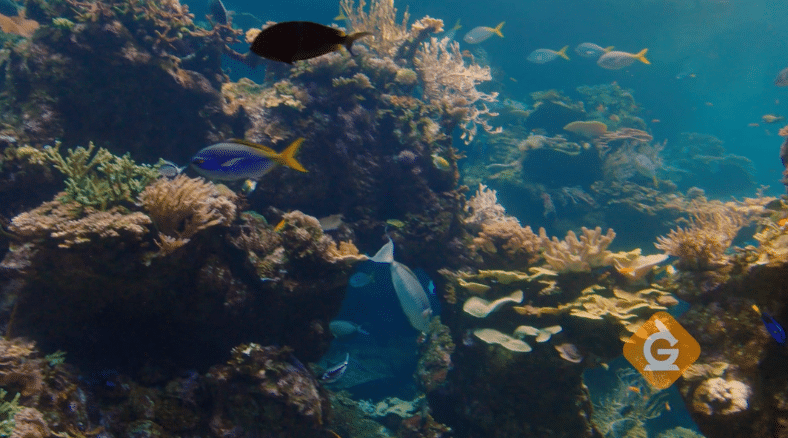
By third grade, kids know the ocean is big, but they don’t understand ecosystems. They think a food chain is just a straight line where the big fish eats the small fish, rather than an interconnected web where overfishing one species can collapse the whole system. This lesson works in regular classrooms because it makes the invisible connections obvious.
The “I Have 20 Minutes Before Outside Play ” 3-5 Version
No time to prep in your elementary classroom? Here’s exactly what to do:
Minutes 1-5: Draw a giant stick-figure fish on the board. Ask the class what happens to the ocean if all the tiny plants disappear. Watch them struggle to connect slime to sharks.
Minutes 6-15: Run the Ecosystems video. Let the graphics do the heavy lifting.
Minutes 16-20: Do the online exit ticket questions as a whole group.
Ocean science is more than just looking at pictures of whales. It’s understanding the literal life support system of the planet.
For more science, check out World Turtle Day Science Lessons & DIY Actvities (K-5)


 GENERATION GENIUS