A major celestial event is about to hijack your school day and your students think the moon is literally eating the sun. Here’s how to keep them actually learning standard-aligned science before the bell rings.
Start Here: The Question That Launches More Questions
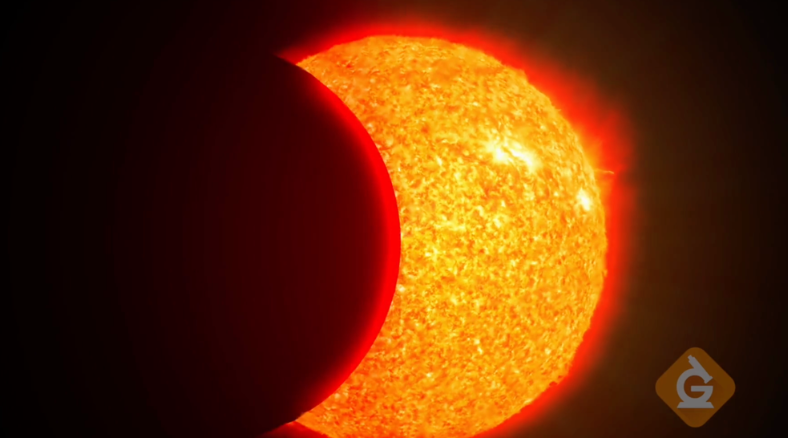
Ask your students why a solar eclipse or meteor shower happens. Write down what they say.
80% of them will tell you the moon stops shining or Earth gets closer to the sun in the summer so it blocks light.
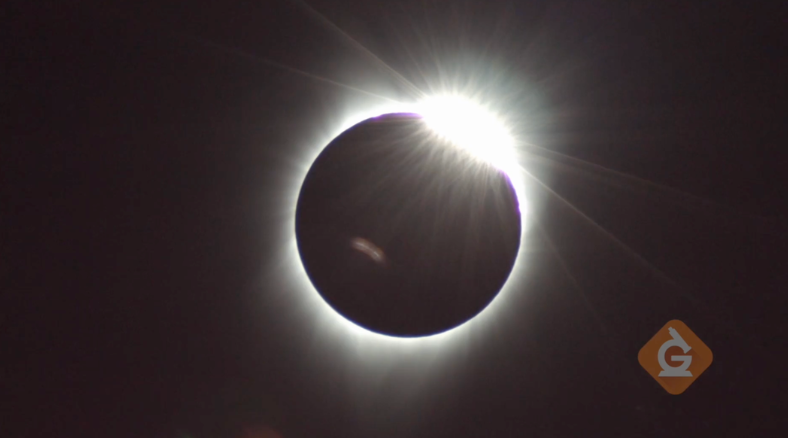
Here’s the fact that makes them pay attention: You are standing in the shadow of a rock that is 238,000 miles away, moving at 2,000 miles per hour.
Show them a flashlight and a tennis ball in a dim room. Move the ball until its tiny shadow hits a spot on the wall. That tiny dark dot on the wall? That’s where people on Earth stand to see a total solar eclipse. If you’re standing anywhere else, nothing changes.
Lunar & Solar Eclipse Resources by Grade
| Resource | Best For | Prep Level |
| Sunlight Warms the Earth | K-2 | Zero prep |
| Patterns in the Sky | K-2 | Zero prep |
| Sun & Other Stars | 3-5 | Zero prep |
| Moon & Phases | 3-5 | Zero prep |
| Earth’s Orbit & Rotation | 3-5 | Zero prep |
| Solar & Lunar Eclipses | 6-8 | Zero prep |
| Solar System | 6-8 | Zero prep |
| The Sun, Moon, & Stars Music Video | K-2 | Zero prep |
| Patterns in the Sky DIY Activity | K-2 | Low prep |
| Intro to Light Project Details (PDF) | K-2 | Low prep |
| Moon Phases DIY Activity | 3-5 | Low prep |
| Sun Dial DIY Activity | 3-5 | Low prep |
| Planisphere DIY Activity | 3-5 | Low prep |
Grades K-2: Light, Shadows, and Making Sense of the Sky
First graders think an eclipse means the sun is taking a nap. They don’t need complex orbital math yet. Naturally, they need to realize shadows only exist when an object blocks a light source.
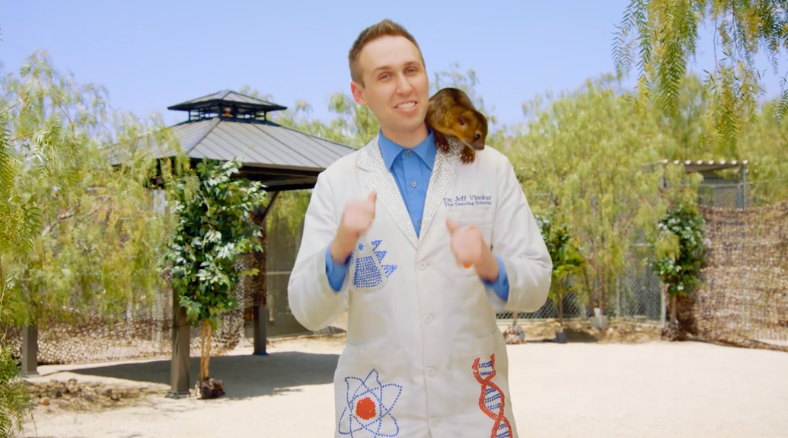
Patterns in the Sky Video for Kids
Grades 3-5: Moon Phases, Eclipses, and Spatial Models
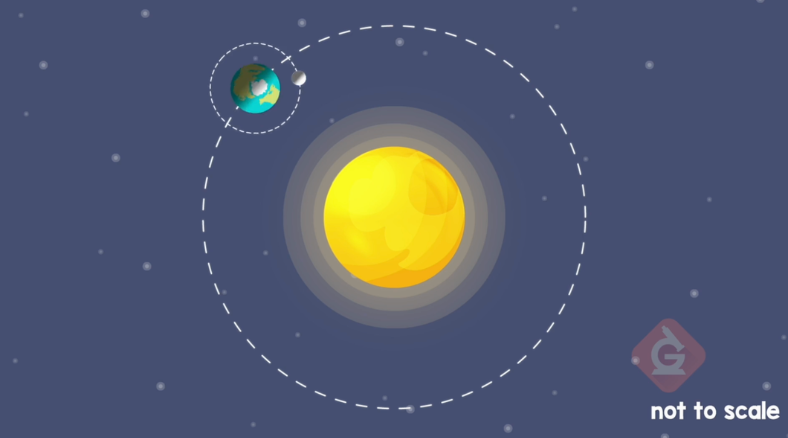
Upper elementary kids can grasp that the Moon orbits Earth while Earth orbits the Sun, but they struggle to picture why eclipses don’t happen every single month. They need visual scale to see how shadows line up in space.
Grades 6-8: Gravity, Space Systems, and Celestial Geometry
Middle schoolers act like they’re too cool for celestial events until you ask them why meteor showers happen on predictable calendar dates every year. Suddenly they realize Earth is driving through a trail of comet dust at thousands of miles per hour.
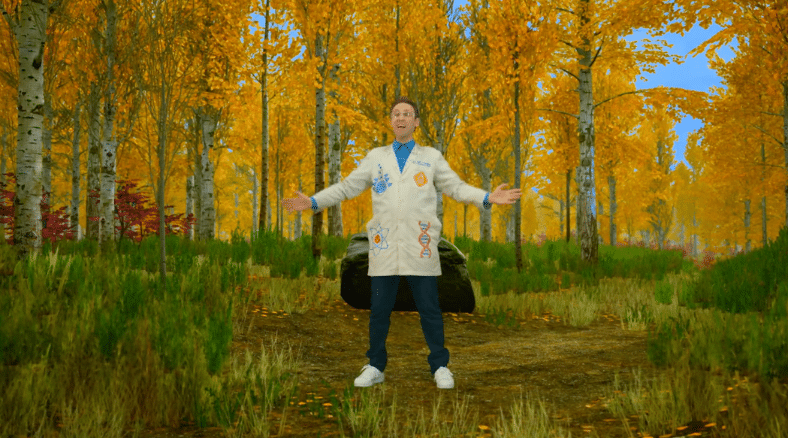
Earth Orbit Rotation Video for Kids
The “I Have 20 Minutes Before Dismissal Chaos” Version
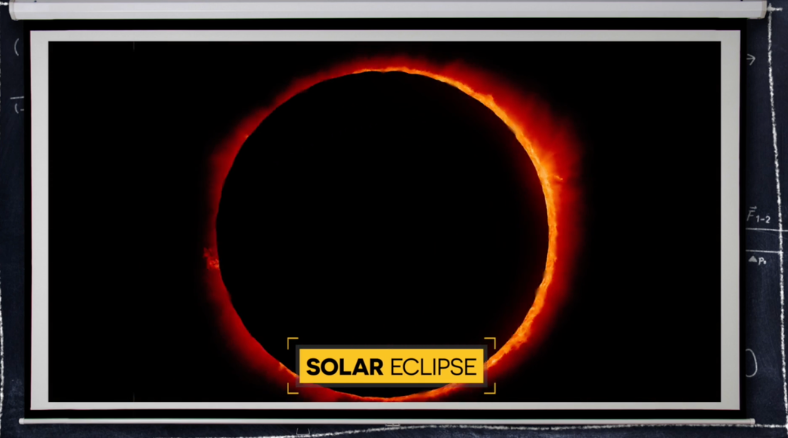
No time to prep? Here’s exactly what to do:
Minutes 1-5: Darken the room and turn on a flashlight aimed at a wall. Move a foam ball or pencil in front of the beam to demonstrate blocking light.
Minutes 6-15: Play the Generation Genius video (Patterns in the Sky K-2, Moon Phases 3-5, or Earth’s Orbit Rotation 6-8).
Minutes 16-20: Run the online interactive quiz whole-class on your projector screen.
Teaching eclipses and space events is more than just surviving dismissal hype. It’s giving kids a reason to understand how the universe actually works.
For more on space exploration, check out Solar System, Sun and Stars


 GENERATION GENIUS