It’s 85 degrees, and someone just asked if they can have free swim instead of science. Here’s how to go outside and still teach a real lesson.
Start Here: The Question That Starts The Conversation
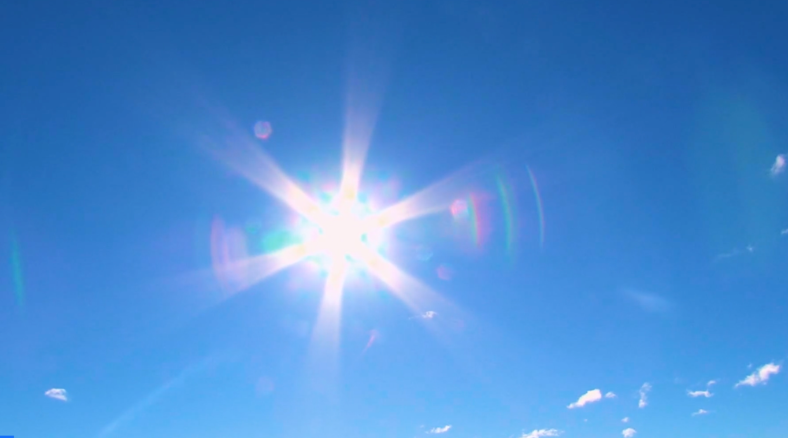
Ask your learners: “Why does your shadow change throughout the day?”
Write down what they say.
Most will tell you the sun moves across the sky.
Here’s the fact that makes them pay attention: The sun doesn’t move. You do.
The Earth rotates under the sun while they’re standing there eating a popsicle. That’s why a shadow is a telephone pole at 8 AM and practically disappears at noon. The shadow isn’t following the sun, it’s following the spin of an entire planet.
Try this: go outside in the morning, trace a shadow. Come back two hours later. It moved. Ask them what moved: the sun or the Earth. Watch what happens to their faces.
Summer Camp Science Resources by Grade
| Resource | Best for | Prep level |
| Introduction to Weather | K-2 | Zero prep |
| Shadow Puppets DIY | K-2 | Low prep |
| Plants Need Water & Light | K-2 | Zero prep |
| Shadow Tracing DIY | K-2 | Low prep |
| Animal & Plant Adaptions | 3-5 | Zero prep |
| Food Webs & Food Chains | 3-5 | Zero prep |
| Water Erosion Model DIY | 3-5 | Low prep |
| Symbiosis | 6-8 | Zero prep |
| Human Impacts for the Environment | 6-8 | Zero prep |
| Shark Week Science Lessons & DIY Activities (K-8) | K-8 | Zero prep |
| Pool Noodle Engineering DIY Activity | K-8 | Low prep |
| Summer STEM Activities | K-8 | Low prep |
Grades K–2: Go Outside and Make It Count
Summer school K–2 is basically a long experiment in what happens when small people are put in warm rooms and told to sit still. They can’t. Don’t fight it. Give them something to chase.
The Shadow Tracing DIY is built for exactly this. Take them outside in the morning and trace shadows with chalk or sticks. Come back two hours later. The shadows moved — ask them why. Then show the Introduction to Weather video back inside, where the connection between Earth’s rotation and what they just watched with their own bodies gets explained. They’ve seen it happen before they see it on screen. That sequence matters.
For a second outdoor activity, Plants Need Water and Light gives you a ready-made observation. Point at any plant and ask: how does it know which direction to grow? Watch them notice for the first time that plants lean toward the sun. They’ve walked past this a thousand times and never asked why. Now they will.
Grades 3–5: Backyard Ecology Isn’t a Field Trip. It’s a Lesson.
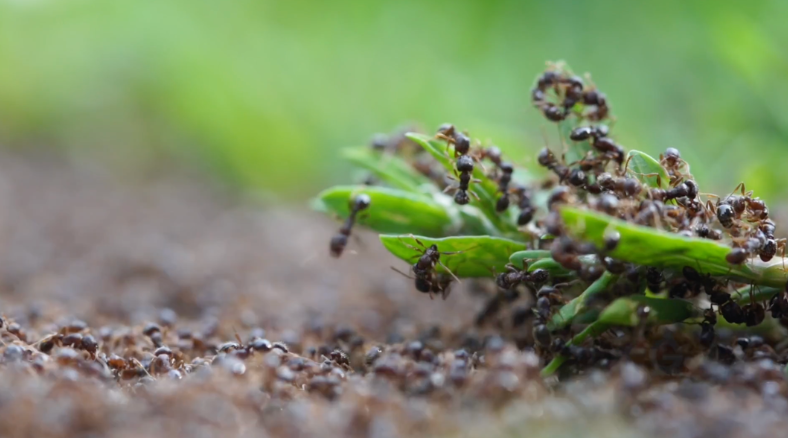
Third through fifth graders are old enough to start asking “but why does that happen?” when they see something outside. That’s your opening.
Before class, walk whatever outdoor space you have, a yard, field, a strip of weeds by the playground. Find something: a bug, a plant growing through pavement, erosion near a drain, a spider web. That’s your hook. Animal & Plant Adaptations connect what they’ve just observed outside to the actual science: why organisms look and behave the way they do, and what it costs them to survive. The dandelion growing through concrete isn’t a weed, it’s an adaptation. The video frames it that way.
Food Webs and Food Chains hits hardest in summer because kids are actually outside noticing things. For example, Ants dismantling a cracker someone dropped, birds flying, a spider. That’s a food web. Watch the video, go back outside, and ask them to find one. They’ll find three.
The Water Erosion Model DIY is the highest-engagement activity in this grade band. Build a model of land with soil in a container, pour water across it, watch erosion happen in two minutes.
Grades 6–8: Give Them the Complicated Version. They Can Handle It.
Middle schoolers in summer camp are either bored, resistant, or both. The thing that works is treating them like they’re smart enough for real complexity, because guess what they are.
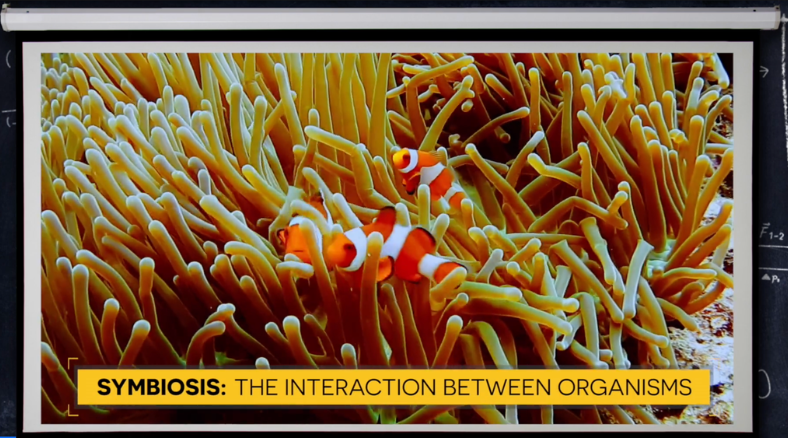
Symbiosis lands differently in summer when learners are outside and noticing things. The clownfish-and-anemone example is fine. But the moment you point at the clover in the grass and explain that it’s trading sugar to bacteria in exchange for nitrogen, and that this invisible deal is part of why the lawn stays green, they start looking at the outdoors differently. That’s what the video does. It reframes everything they’re walking past.
Human Impacts on the Environment feels different in the summer because learners are outdoors more. They’ve seen a construction site clearing land. They’ve seen a dry creek bed or a parking lot where there used to be woods. This lesson gives them language for what they’ve already observed and frustration they’ve already felt. The progression from “humans changed this” to “here’s what that does to an ecosystem” moves fast enough that middle schoolers don’t check out.
The “I Have 20 Minutes Before Free Swim” Version
No time to prep? Here’s exactly what to do:
Minutes 1–5: Everybody goes outside. Find your shadow. Which direction is it pointing? Will it point the same direction in an hour? Take a vote. Write down predictions on the board before you come back in.
Minutes 6–15: Press play on the video for your grade band. Introduction to Weather (K–2), Animal & Plant Adaptations (3–5), or Symbiosis (6–8). All run around 12 minutes. You don’t need to prepare anything.
Minutes 16–20: One question, around the circle: “What did you see outside this morning that connects to what you just watched?” One answer per kid. That’s the lesson.
Summer camp science doesn’t have to mean craft projects disguised as learning. It means going outside with a real question and coming back with an answer that actually sticks.
For more on summer, check out Summer Solstice Science Lessons & DIY Activities (K-8)


 GENERATION GENIUS