Arbor Day is the Friday that usually gets lost between Spring Break and testing. Here’s how to actually teach the science of trees without ending up with green glitter all over your classroom floor.
Start Here: Questions That Start Conversations
Ask your students where the “stuff” that makes up a giant oak tree comes from. Write down what they say.
90% of them will tell you it comes from the soil. They think trees “eat” dirt like a slow-motion salad.
Here’s the fact that makes them pay attention: Trees are mostly made of air.
Try telling a 4th grader that the massive trunk they’re climbing is actually just rearranged carbon dioxide and water powered by a sun-soaked leaf. It sounds like a magic trick, but it’s just chemistry.
Arbor Day Science DIY Activities
Grades K-2: Parts of a Plant DiY Activity
Grades K-2: Grow Plants in a Jar DIY Activity
Grades K-2: Comparing Soil DIY Activity
Grades 3-5: Compost DIY Activity
Grades 3-5: Windowsill Garden DIY Activity
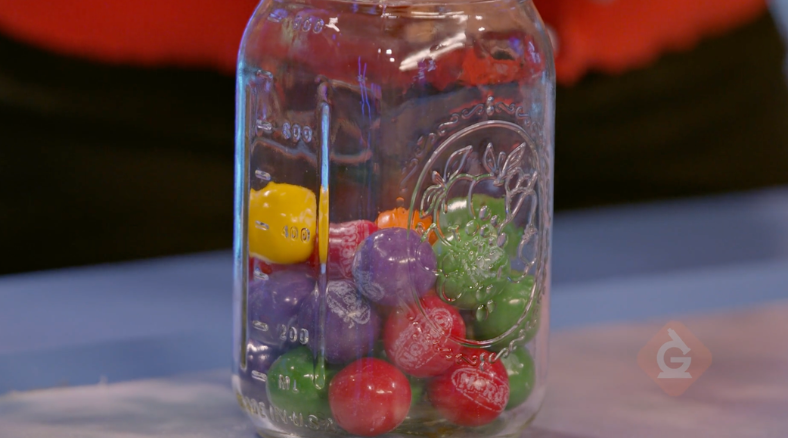
Grades 3-5: Build a Terrarium DIY Activity
Grades K-5: Make Your Own Paper DIY Activity
Singalongs
Grades K-2: The Plant Parts Song
Grades K-2: The Plant Needs Song
Grades K-2: The Sunlight Song
According to Edutopia, “embracing hands-on learning helps spark student’s creativity and curiosity.” Hands-on activities have a way connected the learning to experience, while helping make the content relatable and fun. Naturally, all of the Generation Genius Science DIY activities are low prep, no-to-low cost, and typically run 15-45 minutes. For more science, check out our spring life cycle resource hub.
Arbor Day Resources by Grade
| Resource | Best For | Prep Level |
| Inspired by Nature – Biomimicry | Grades K-2 | Zero prep |
| Plants Need Water and Light | Grades K-2 | Zero prep |
| Parts of a Plant | Grades K-2 | Zero prep |
| Plant Growth Conditions | Grades K-2 | Zero prep |
| Pollination & Seed Dispersal | Grades K-2 | Zero prep |
| Animal & Plant Life Cycles | Grades 3-5 | Zero prep |
| Ecosystems | Grades 3-5 | Zero prep |
| Photosynthesis Definition | Grades 6-8 | Zero prep |
Grades K-2: More Than Just “Tall Plants”
K-2 students see trees as static background scenery. They need to understand that a tree is a living system with specific “jobs” for every part. We’re moving them past “it has leaves” to “it has a plumbing system.”
Parts of a Plant Video for Kids
Grades 3-5: The Solar Powered Machines
This is where we get into the heavy lifting: Photosynthesis and Conservation. At this age, they can handle the “Air to Wood” pipeline. Use the Ecosystems lens to show them that a tree isn’t just an individual; it’s an apartment complex for half the neighborhood’s squirrels and insects.
The “I Have 20 Minutes Before Dismissal” Version
No time to prep? Here’s exactly what to do:
Minutes 1-5: Ask “Where does wood come from?” question. Let them discuss.
Minutes 6-15: Play the Parts of a Plant (K-2) or Ecosystems (3-5) video.
Minutes 16-20: Use the Parts of a Plant PDF to start up a conversation with your K-2 class.
Need an extra activity: Take 30 minutes and build a terrarium with your 3-5 students.
Arbor Day is more than just a reason to go outside. It’s the easiest way to show kids that the world is literally built out of thin air.




 GENERATION GENIUS