April 1st is a day for fun. Instead of fighting the pranks, use optical illusions to prove to your students that they can’t even trust their own eyeballs.
Start Here: It’s all an illusion (or is it?)

Ask your students how they see the world. Write down what they say.
Most will tell you that their eyes work like little cameras taking pictures of what’s “out there.” They think their brain is just a passive screen.
Here’s the fact that makes them pay attention: Your brain is a professional guesser.
Think about a straw in a glass of water. Your eyes see a broken stick. Your brain knows it’s whole. The “trick” isn’t in the water; it’s the fact that your brain is constantly hallucinating a reality based on messy data.
April Fools Day Science DIY Activities
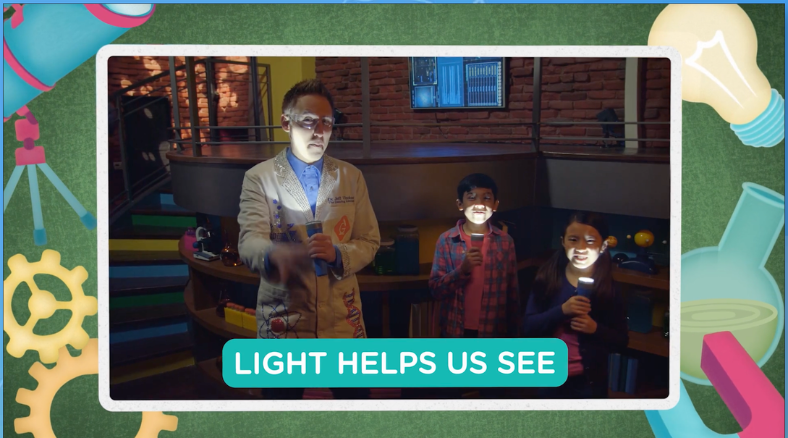
Are you looking to add some fun science DIY activities to your April Fools Day? Maybe you want to drop an egg in a cup without touching it, see sprinkles dancing to sound, or use light to create a hologram, your students will love these activities. According to Edutopia, “Dedicating a day each week to integrate science cross-curricular, can boost attendance, learning, and fun.” Naturally, most of the Generation Genius DIY activities are no-to-low cost, low prep, and under 45 minutes.
Grades K-2: Introduction to Light DIY Activity
Grades K-2: Dancing Sprinkles DIY Activity
Grades K-2: String Telephone DIY Activity
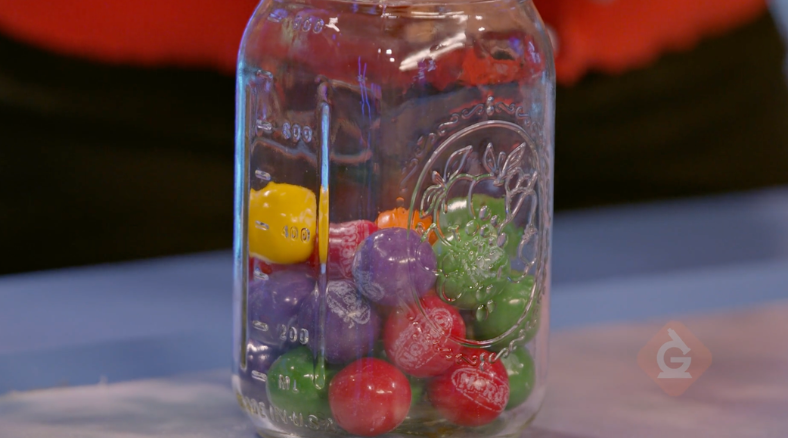
Grades K-2: Engineering with Candy DIY Activity
Grades K-2: Dancing Raisins DIY Activity
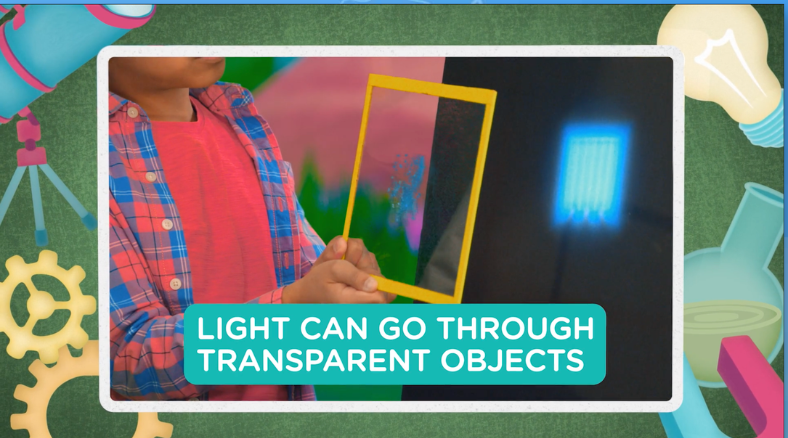
Grades 3-5: Light Reflection & Refraction DIY Activity
Grades 3-5: Balanced and Unbalanced Forces DIY Activity
For more seasonal DIY activities, check out Spring Equinox Science Lessons and Spring Weather Science Lessons & DIY Activities (K-5).
Optical Illusion Resources by Grade
| Resource | Best For | Prep Level |
| Introduction to Light | Grades K-2 | Zero prep |
| Seeing Resource | Grades K-2 | Zero prep |
| Light Reflection & Refraction | Grades 3-5 | Zero prep |
| Light Reflection blog | Grades 3-5 | Zero prep |
| Disappearing Coin Activity | Grades 3-5 | Zero prep |
Grades K-2: Seeing is (Not) Believing
At this age, kids are convinced the world is exactly as it appears. When you show them that light needs to bounce off an object and enter their eye just to see a pencil, it’s a revelation. Use April Fools to focus on the “Vision” part of the standard—how we need light to see anything at all.
Introduction to Light Video for Kids
Grades 3-5: The Physics of the Prank
By third grade, they want to know how the trick works. This is the perfect window to introduce refraction. When light slows down moving through water, it bends. It’s not magic; it’s physics. It’s the ultimate “prank” played by the universe, and it aligns perfectly with standards.
Light reflection and refraction video for kids
The “I Have 20 Minutes Before the Talent Show” Version
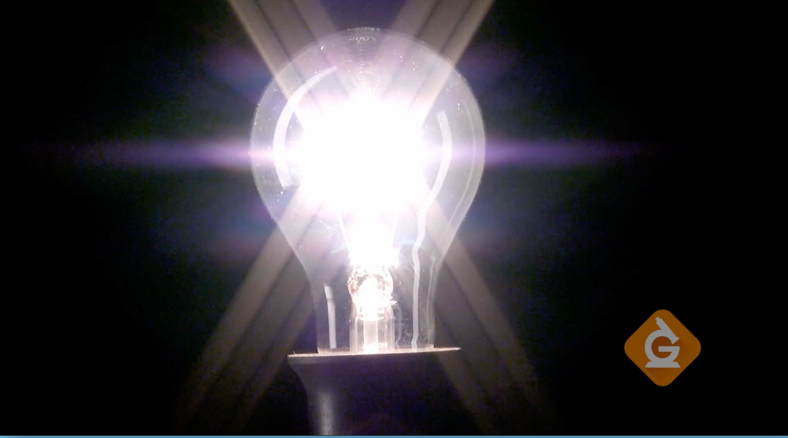
No time to prep? Here’s exactly what to do:
Minutes 1-5: Draw a simple arrow on a post-it note. Hold a clear glass of water in front of it and watch the arrow flip directions. Don’t explain it yet. Just let them discuss.
Minutes 6-15: Play the Introduction to Light video (K-2) or Light Reflection & Refraction (3-5) video.
Minutes 16-20: Have them draw their own “refraction art” where half the drawing changes when viewed through water.
Fun bonus: Showcase your “refraction art” in the hallway and tag your photos for a chance to be featured on Generation Genius social media.
April Fools doesn’t have to be a lost cause. It’s the one day a year students are actually looking for things that don’t make sense, which is the best time to teach them the science that does.
Generation Genius is here to keep them engaged until the final bell.


 GENERATION GENIUS