You’re expected to explain light-years, lunar eclipses, and multi-billion-dollar rocket launches using two styrofoam balls and a flashlight that’s dying. Here’s how to keep them engaged without needing an astrophysics degree or a NASA budget.
Start Here: The Moon
Ask your students why the Moon changes shape every night, or why we have solar eclipses. Write down what they say.
Most will tell you the Earth’s shadow blocks the Moon every single night to create phases.
Here’s the fact that makes them pay attention: The Moon is always half lit up by the Sun, no matter what shape you see in the sky.
Try telling a 4th grader that the Moon isn’t growing and shrinking like a balloon, but that they’re just watching it walk around us from a weird angle.
Space Exploration Resources by Grade
| Resource | Best For | Prep Level |
| Patterns in the Sky | K-2 | Zero prep |
| Moon & Phases | 3-5 | Zero prep |
| Sun & Other Stars | 3-5 | Zero prep |
| Earth’s Orbit & Rotation | 3-5 | Zero prep |
| The Solar System | 6-8 | Zero prep |
| Solar & Lunar Eclipses | 6-8 | Zero prep |
| Shadow Tracing DIY Activity | K-2 | Zero prep |
| Moon Phases DIY Activity | 3-5 | Low prep |
| Sundial DIY Activity | 3-5 | Low prep |
| Planisphere DIY Activity | 3-5 | Low prep |
Grades K-2: The “Sky Objects Don’t Take Naps” Phase
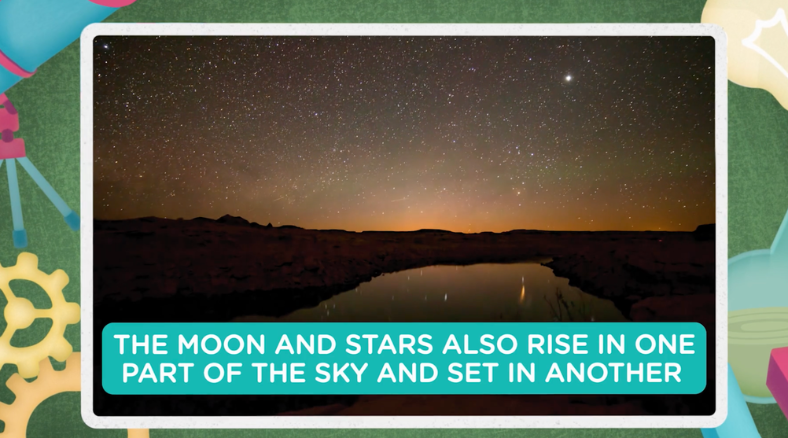
K-2 students think the Sun goes to sleep when the Moon comes out, and that stars are tiny stickers stuck to a black dome. They need simple, observable patterns they can trace with their eyes before you try explaining orbits. It works in regular classrooms with zero hassle, and students actually love it.
Patterns in the Sky Video for Kids
Grades 3-5: The “Wait, The Moon Doesn’t Glow?” Phase
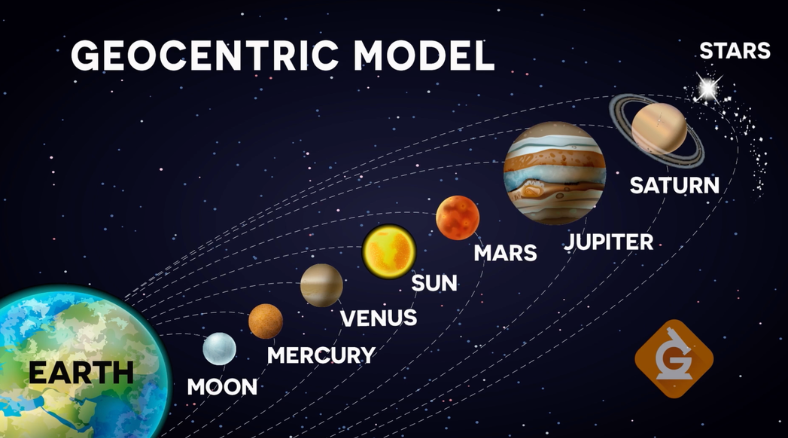
By 3rd grade, kids are obsessed with moon missions and eclipses, but they still confuse solar eclipses with night time. They need visual scale models that don’t require an hour of measuring string or complex setup.
Grades 6-8: The “Why Are We Spending Billions on Mars?” Phase
Middle schoolers don’t care about cute foam ball models anymore. They want to know why rovers cost billions and how space tech actually affects their phone battery. Connect space missions to things in their hands and they won’t call it cringe.
The “I Have 20 Minutes Before Dismissal” Version
No time to prep? Here’s exactly what to do:
Minutes 1-5: Ask the class: “If you stepped on the Moon right now, why would you weigh less than your backpack?” Write their guesses on the board.
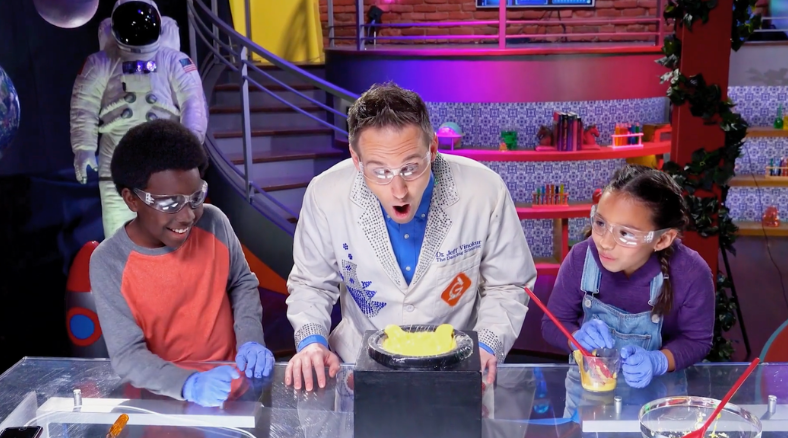
Minutes 6-15: Play the 3-8 grade-appropriate Generation Genius Space video, (Sun & Other Stars, Solar System.)
Minutes 16-20: Have them turn to a partner and name one piece of technology in their house that exists because of space missions.
Space exploration isn’t just about memorizing rocket names or counting moon rocks. It’s about teaching kids that the giant floating rocks above their heads operate on predictable rules they can actually figure out.
For more on space exploration, check out Lunar + Solar Eclipse Science Lessons & DIY Activities (K-8)



 GENERATION GENIUS