Earth Day is the one day of the year you’re expected to save the planet while keeping 25 kids from throwing glitter at each other. Here’s how to teach actual standards without the performative crafts. Read on to learn more from teacherTaylor Blair, teachmesomethingood, for an Oil Spill Clean DIY activity, and more Earth Day science lessons.
Start Here: The Impact of Oil Spills
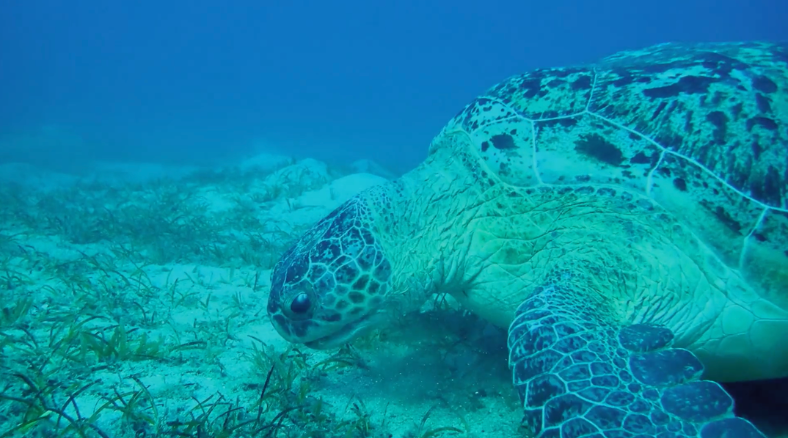
Ask your students what happens to oil after it spills into the ocean. Write down their ideas.
Most will tell you that it “washes away,” “evaporates,” or that people simply “scrub the ducks” until the ocean is clean again.
Here is the fact that shifts their perspective: Oil never truly “disappears” from the marine environment; it just changes form. While the giant black slicks on the surface eventually break apart, much of that oil undergoes a process called sedimentation. It mixes with sand and organic debris, becoming heavy and sinking to the seafloor.
That’s the moment students stop looking at the ocean as a self-cleaning bathtub and start seeing it as a delicate, finite system.
Earth Day OIl Spill Clean-up DIY Activity
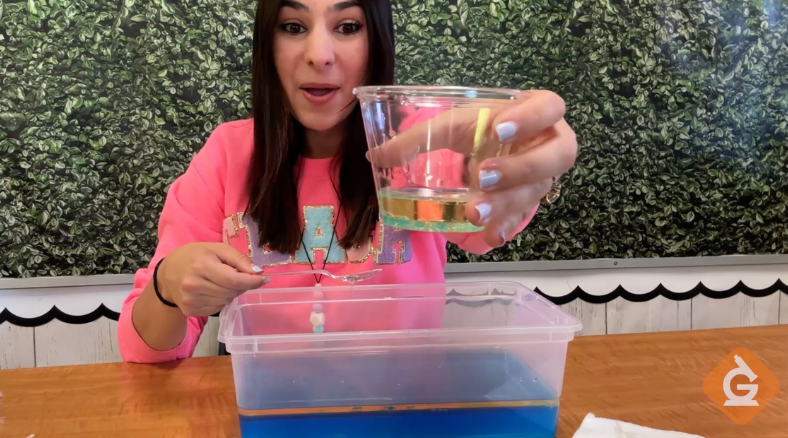
This hands-on Earth Day DIY Activity tests various methods for cleaning up oil spills in the ocean and explains why these techniques are necessary for protecting wildlife.
Taylor Blair states, “ Let’s imagine, this is the ocean. And this is their oil spill. So, the oil and the water do not mix.The oil rises to the top. But oil spills don’t just affect the water. They affect the animals, too. When the oil sticks to the feathers or fur of an animal,it actually makes them stick together so they can’t really move or they’re unable to stay warm. So today, we’re going to test different ways to clamp oil spills and see what works best. “
Material list:
•Large container
•Water
•Oil
•Dish soap
•Feather
•Sand / Kitty Litter
The activity explores these methods:
•Scooping: Using a tool to remove oil from the water’s surface. While this helps prevent future harm to animals, it does not clean animals already affected by the oil.
•Absorption: Using materials like napkins, cotton balls, or sponges to pat oil off an animal’s feathers or fur. This is beneficial for the animal, but does not help clean the oil from the ocean.
•Containment: Placing a barrier, such as pipe cleaners, around the spill to limit its spread. This protects animals in surrounding areas by preventing them from becoming drenched in oil.
•Sand/Kitty Litter: Adding granular material to the oil to make it clump together. This makes the oil heavier and easier for cleanup crews to scoop out of the ocean.
Key takeaways from this activity:
•Oil and water do not mix. The oil rises to the top, where it can stick to animals and interfere with their ability to move or stay warm.
•There is no single method that cleans the ocean and protects animals simultaneously. Professionals use a combination of these strategies.
•Because oil and water do not mix, water alone cannot clean an animal. Dish soap is required to break up the oil particles, allowing for effective cleaning of feathers and fur.
Want your own step-by-step guide ? Earth Day Oil Spill Clean-up Science Activity Instructions
What are your favorite GG science video lessons that you would use with your class to celebrate Earth Day to supplement conservation science?
“Some of my favorite lessons to use are ones that connect directly to real-world environmental issues. This oil spill lesson is always a hit because students get to explore pollution and test solutions hands-on, whether it’s the ocean or the animals, there is always something that pulls at the kiddos heart strings, making them want to find a solution. Another hands-on lesson I love to do is Walking Water Rainbow, it helps students understand how water naturally moves through plants and soil, highlighting the importance of water in ecosystems.”
Earth Day Resources by Grade
| Resource | Best For | Prep Level |
| Natural Resources | Grades K-2 | Zero prep |
| Reducing Our Impact on Earth | Grades K-2 | Zero prep |
| Pollution Definition | Grades K-2 | Zero prep |
| Oceans, Lakes, & Rivers | Grades K-2 | Zero prep |
| Water Quality & Distribution | Grades 3-5 | Zero prep |
| Human Impacts on the Environment | Grades 6-8 | Zero prep |
Grades K-8: Impactful Learning
Are there any other Generation Genius DIY activities you’d love to use to celebrate Earth Month?
“Yes! I love activities that are simple but really impactful. The Walking Water showing capillary action is a fun way to connect science to natural systems and get students super engaged. I also think the Ocean Acidification activity is powerful for showing real effects of environmental change in a way students can actually see by seeing a shell dissolve in real time. I think incorporating even more activities that connect science to everyday choices, like reducing waste or protecting ecosystems, would allow students to see how their learning can apply to their own lives. “
Grades K-8: Meaningful Themed Lessons
What do you think are the benefits of using Generation Genius science lessons & DIY activities for Earth Day ?
“Generation Genius makes Earth Day feel meaningful instead of just another themed lesson. These videos break down big environmental concepts, like pollution and conservation, into visuals and explanations that actually click for students. A huge benefit of Generation Genius celebrating Earth Day is that these DIY activities turn learning into action! Rather than just hearing about environmental issues, they’re experimenting, observing, and problem solving in real time! This builds deeper understanding and connection, helping them feel like they can actually make a difference!”
Earth Day is more than just wearing green and picking up a stray candy wrapper. It’s understanding the systems that keep us alive. Blair states, “Oil spills are dangerous and difficult to clean up.That’s why it’s so important to protect our environment and our oceans. Talk to your friends and family. What method do you think is most effective to clean up the oceans? Happy Earth Day!”


 GENERATION GENIUS