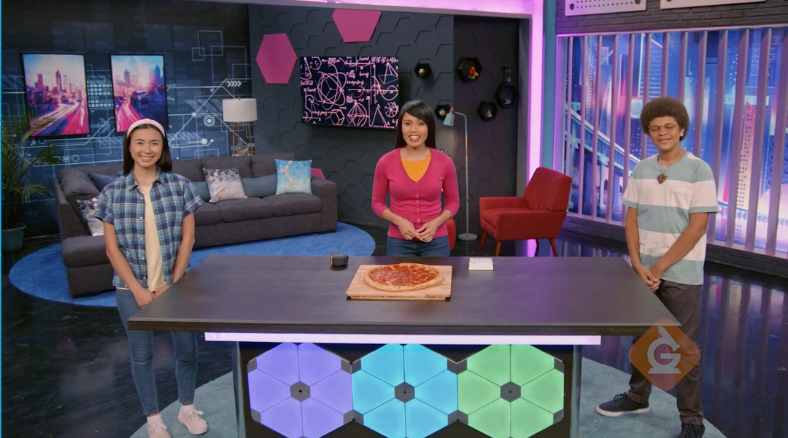
PI Day is here. Your students expect a party, your admin expects standards, and you just want to get through the day without a flour-based disaster in the back of the room. Here’s how to actually teach math.
Start Here: The Misconception That Ruins Everything

Ask your students what π is. Write down what they say.
90% will tell you it’s “3.14” or “a food you eat at Thanksgiving.” They’re wrong, well, they’re incomplete. If you don’t surface the idea that PI is a relationship rather than just a magic number to memorize, they’ll still be plugging it into formulas blindly in June.
Here’s the fact that makes them pay attention: Every single circle in the universe is a proportional copy of every other circle. If you take a piece of string the length of the diameter and try to wrap it around the edge, it will always fit exactly three times with a little bit left over. Whether it’s a penny or a planet.
“Planning for Pi Day is ‘easy-as-pie’ with Generation Genius! It’s my favorite tool for bridging the gap between tricky math concepts and kindergarten-sized curiosity. It transforms everyday lessons into a celebration of discovery that keeps my students (and me!) inspired.”
– Emily, Kindergarten Teacher, pintsizedteacher
Pi Day Math Resources by Grade

| Resource | Best For | Prep Level |
| Intro to 2D Shapes | Grades K-2 | Zero prep |
| Intro to 3D Shapes | Grades K-2 | Zero prep |
| Intro to Angles | Grades 3-5 | Zero prep |
| Intro to Finding Area | Grades 3-5 | Zero prep |
| Intro to Perimeter | Grades 3-5 | Zero prep |
| Area of a Circle | Grades 6-8 | Zero prep |
| Irrational Numbers | Grades 6-8 | Zero prep |
| Volume of Cylinder, Cone, and Spheres | Grades 6-8 | Zero prep |
Grades 3-5: Finding the Pattern
At this age, π still feels like a secret code. They don’t need a lecture on irrational numbers; they need to see why a circle isn’t just a “wonky square.” Find the fun in shapes and angles.
“Generation Genius is so helpful in the classroom and saves me so much time. I think their lessons are just as informative as engaging. I use the resources included often. I switch back and forth from the worksheet and the premade Kahoot. It has helped many of my students catch up on a specific topic that they were absent for.”
-April, 4th Grade Teacher, academicallyapril
Grades 6-8: Beyond 3.14
Middle schoolers think Pi Day is an excuse to slack off. This is where you pivot to circumference and area. It’s not just about the number, it’s about why the formula actually works. This is also the age where they stop calling it “cringe” when they realize π is used to program their video games.
“It is so great to use Generation Genius for my regular math content, but even better when I can use it for activities like celebrating Pi Day! The videos, interactive activities, and printables are amazing resources that I can easily access and use without any prep!”
-Rory, Math Teacher, iteachalgebra
Area & Circumference Video for Kids
The “I Have 20 Minutes Before the Party” Version

No time to prep? No actual pie in the building? Here’s exactly what to do:
Minutes 1-5: Hand out three different sized circular objects (lids, coins, rolls of tape) and a piece of string. Have them try to fit the “width” string around the “outside.”
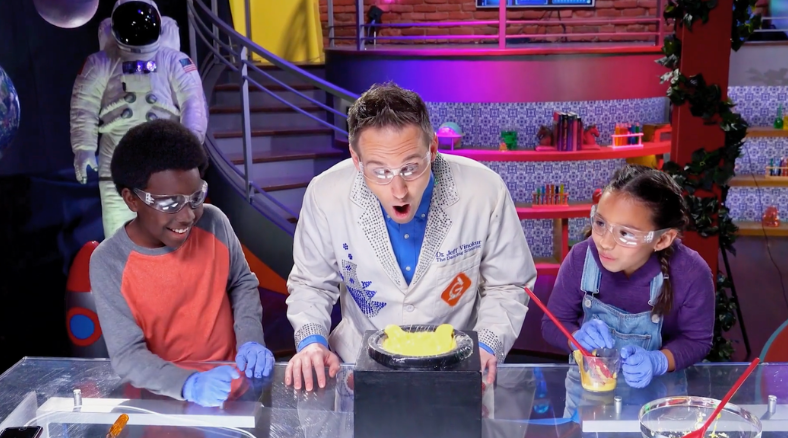
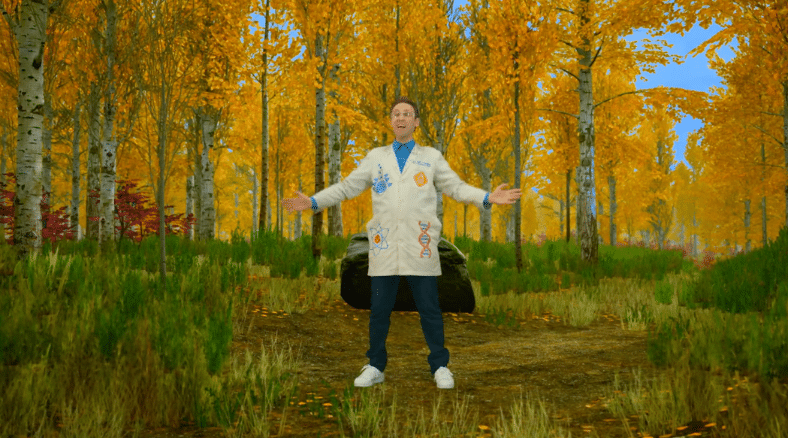
Minutes 6-15: Play the Generation Genius Areas & Circumference (6-8) video. Let Dr. Jeff & friends handle the heavy lifting of explaining why that string didn’t quite meet.
Minutes 16-20: Have your students play the Kahoot and grab the PDF. More math ready to go.
Pi Day is more than just a calendar coincidence. It’s the one day a year where the most abstract concept in geometry becomes something students can actually see.
Flip the “PI Day energy”. Use the videos, grab the worksheets, and actually teach the circle.



 GENERATION GENIUS