Love Your Pet Day is usually a day full of talking about animals. Here’s how to let them talk about their hamsters while actually hitting life science standards before the bell rings.
Start Here: The Misconception That Ruins Everything
Ask your students what a polar bear needs to survive. Write down what they say.
Most learners will tell you “cold weather” or “ice.”
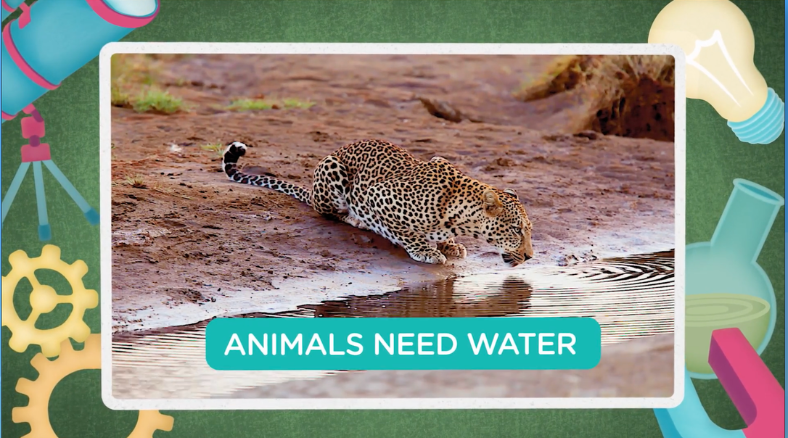
Here’s the fact that makes them pay attention: Animals don’t “need” the weather; they need the resources the environment provides. A polar bear doesn’t crave a brain freeze; it needs the ice as a platform to hunt seals. If you put a polar bear in a walk-in freezer with no food, it’s not “home”, it’s just a cold closet. That distinction between location and resources is the whole thing. Everything else is details.
Grab These First: Animal Science DIY
Here’s some fun ways to incorporate learning about animal science, animal needs, and habitats through DIY activities.
🚀Grades K-2: Bird Feeder DIY
Create a bird feeder and learn more about how birds eat.
🚀Grades K-2: Animal Habitats DIY Activity
Make a diorama of an animal habitat.
🚀Grades K-2: Bird Caller DIY
Create a device that mimics a baby animal calling for its parents.
🚀Grades 3-5: Animal Group Behavior DIY
Make your own ant farm to discover more about animal behavior.
🚀Grades 3-5: Seed Grasping Challenge DIY
Try out different ways to model the adaptations of bird beaks.
All Generation Genius DIY activities are easy, quick, and zero-low prep activities.
Animal Science Lesson Resources by Grade
| Resource | Best For | Prep Level |
| Animal Needs | Grades K-2 | Zero prep |
| Animal Habitats | Grades K-2 | Zero prep |
| Animal Group Behavior | Grades 3-5 | Zero prep |
| Animal Adaptions & Environment | Grades 3-5 | Zero prep |
Grades K-2: Animal Survival is Simple
At this age, “needs” and “wants” are a blurry mess. They think a dog needs a sweater because they saw one at the store. You need to strip the basics back to the four pillars: food, water, shelter, and space.
Grades 3-5: The Animal Behavior Connection
Upper elementary students love to categorize things. This is where you pivot from “what does it eat?” to “why does it live there to eat that?” It’s about the relationship between the organism and the environment. If the habitat changes, the animal, predator, or pet is in trouble.
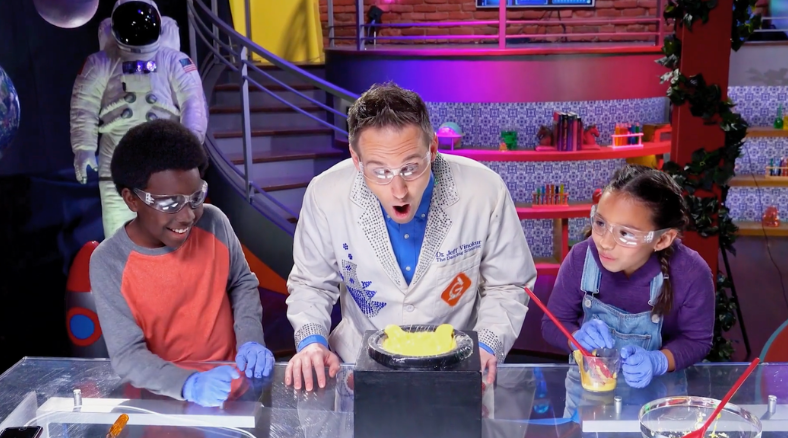
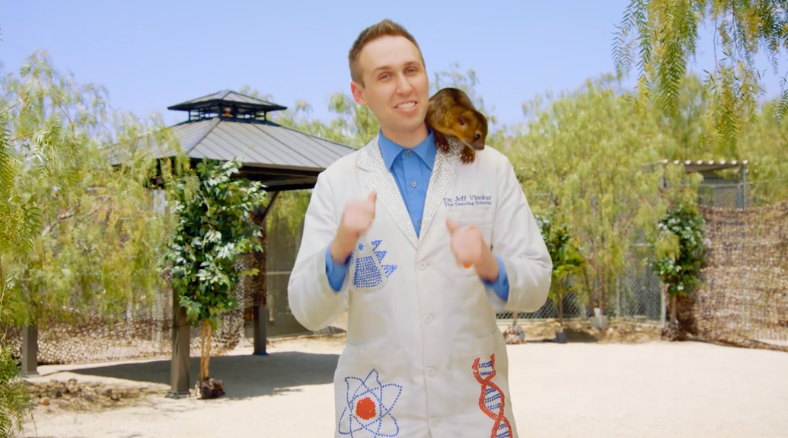
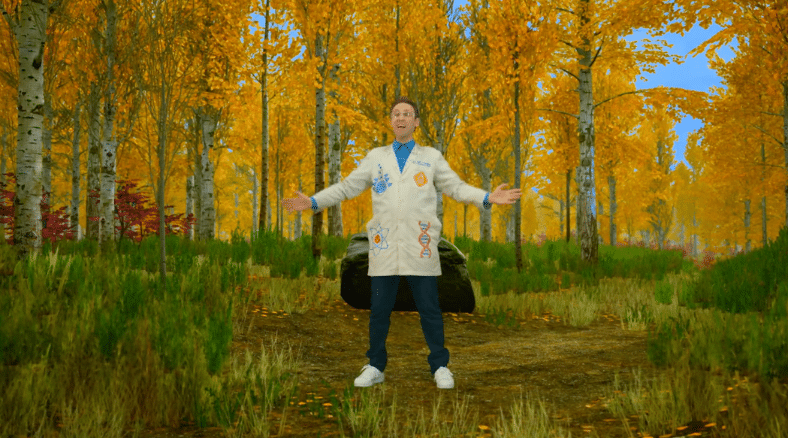
Animal Group Behavior Video for Kids
The “I Have 20 Minutes Before Dismissal” Version
No time to prep? Here’s exactly what to do to save Love Your Pet Day:
Minutes 1-5: Have everyone shout out their pet’s name (or dream pet). Draw a circle on the board labeled “The Essentials.”
Minutes 6-15: Play the Animal Needs or Group Behavior video. Tell them to look for the one thing their pet couldn’t live without for more than three days.
Minutes 16-20: Have them draw their pet in its “perfect” habitat. If there’s no water source in the drawing, it doesn’t count.
Animal science is more than just looking at cute pictures of kittens. It’s understanding the biological checks and balances that keep everything alive.
Start the day with animal chatter. Use the videos, grab the DIY activities, and actually teach some biology.


 GENERATION GENIUS