It’s 10:15 AM on a Tuesday, and half of your class is staring at a long division problem like it just asked them to calculate rocket trajectory. Here’s how to stop the math anxiety before someone cries (including you).
Start Here: The Division Dilemma
Ask your students what division actually means. Write down what they say.
80% will tell you it’s “just making numbers smaller” or “doing multiplication backwards until you get stuck.”
Here’s the fact that makes them pay attention: Division is just fair sharing, but kids get paralyzed because they think it’s a 14-step memory test.
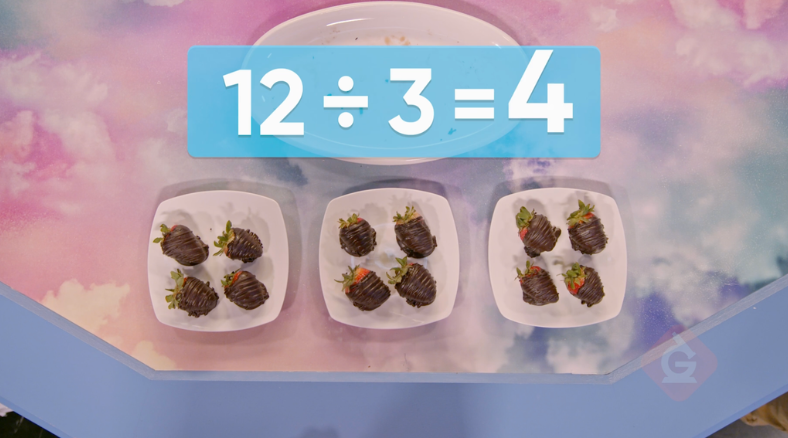
Try telling a kid who can’t memorize long division steps that they already divide every day when they split a box of 12 nuggets equally with two friends. The moment you strip away the strict long-division house symbol ➗and talk about equal groups, the math anxiety evaporates.
Division Resources by Grade
| Resource | Best For | Prep Level |
| Intro to Division | 3-5 | Zero prep |
| Division Using an Area Model | 3-5 | Zero prep |
| Solve Two-Step Problems (All 4 Operations) | 3-5 | Zero prep |
| Interpreting Fractions as Division | 3-5 | Zero prep |
| Division Using Partial Quotients (The Big 7 Model) | 3-5 | Zero prep |
| Division with Unit Fractions and Whole Numbers | 3-5 | Zero prep |
Grade 3-5: Equal Groups & Array Models
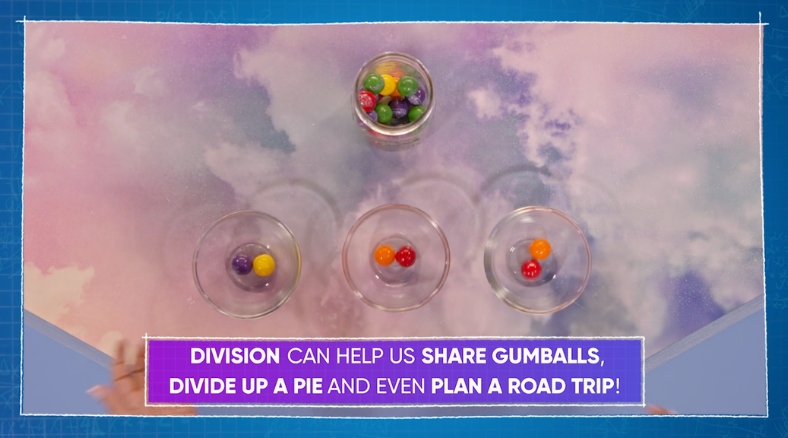
Third graders are transition kids. They just mastered multiplication arrays, and now you’re asking them to undo all that work without breaking their brains. Keep it visual and rooted in equal sharing before introducing symbols.
Intro to Division Video for Kids
Grade 3-5: Dealing with Multiple Steps
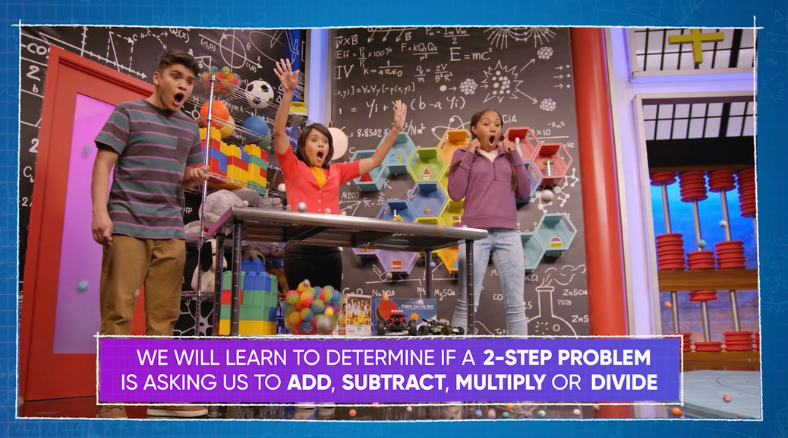
Fourth graders hit a wall the second a problem doesn’t divide evenly. They assume they can’t move forward when they hit the second step. Reframe the steps to make it easier to solve. And this helps them troubleshoot everyday tasks, all while learning math.
Solve Two-Step Problems (All Four Operations)
Grade 3-5: Multi-Digit & Partial Quotients
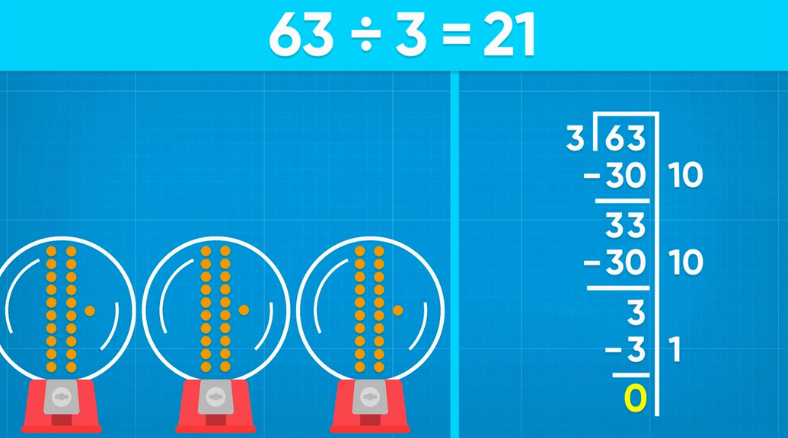
Fifth-grade standard algorithms feel like punishment if students don’t understand place value. Using partial quotients (the big 7 model) gives them an entry point that doesn’t rely on perfect mental math multiplication facts.
Division using Partial Quotients Video for Kids
The “I Have 20 Minutes Before Lunch” Version
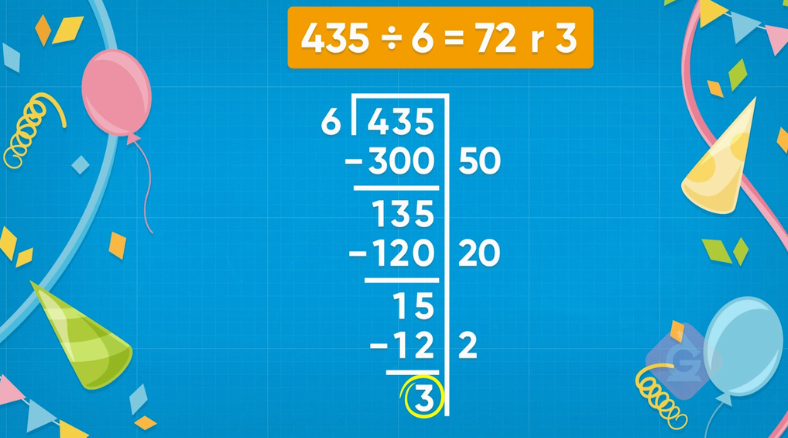
No time to prep? Here’s exactly what to do:
Minutes 1-5: Put 12 white whiteboard markers into 3 equal piles on your front desk. Ask them who gets how many.
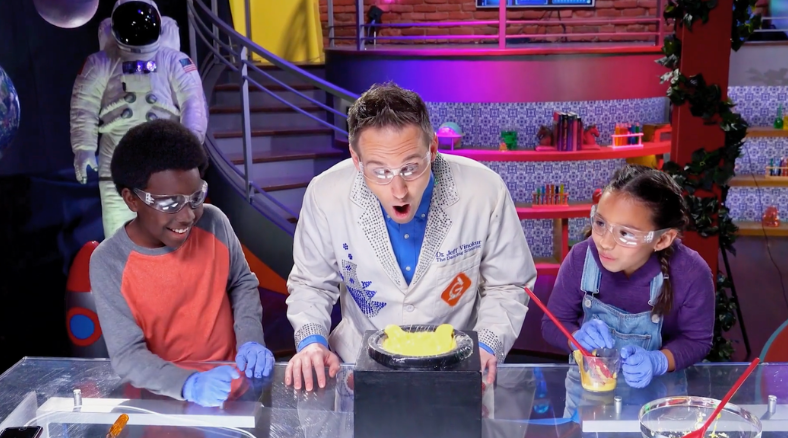
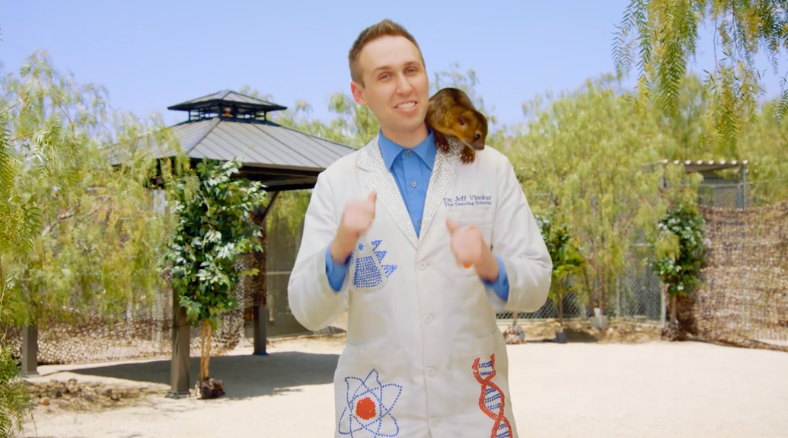
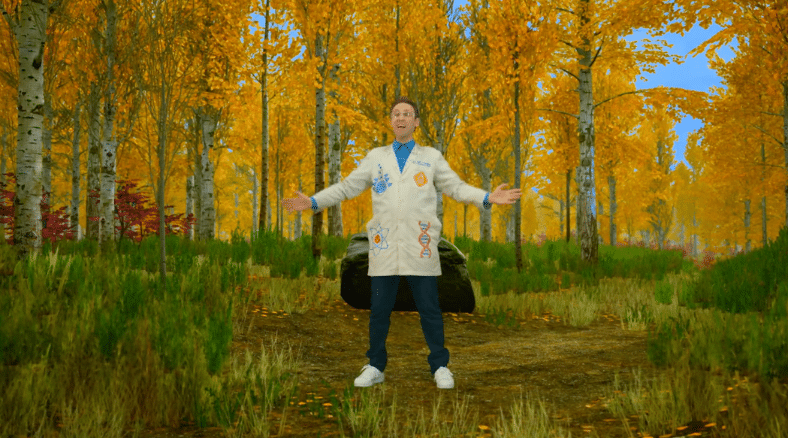
Minutes 6-15: Play the Generation Genius (Intro to Division or Division Using Partial Quotients) video. Let the real-world visuals do the heavy lifting.
Minutes 16-20: Have them solve one single problem on mini-whiteboards using equal groups or partial quotients.
Division isn’t a secret code designed to test your students’ patience or ruin your prep period. It’s just equal sharing with a few awkward leftovers along the way. Ditch the long division dread and get your math block back on track.
For more on math, check out Fraction Math Lessons & Activities for Elementary Students (3-5)


 GENERATION GENIUS