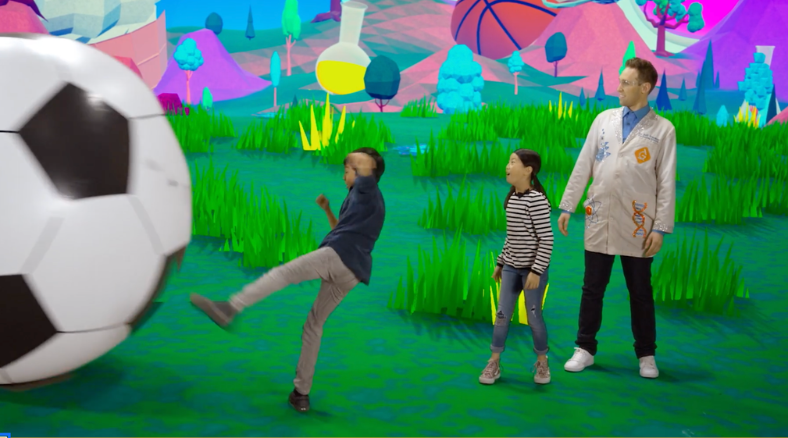
The World Cup is on, which means your learning space is tournament chaos. Before the penalty kicks take over, here’s how to hijack that obsession and turn it into actual physics learning before you lose them completely.
Start Here: Kickstart Curious Questions
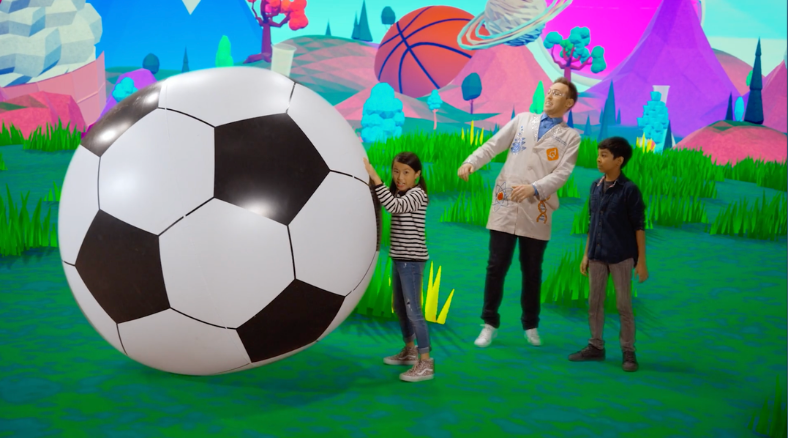
Ask your learners what happens to a soccer ball after a player kicks it down the field. Write down what they say.
Most will tell you that the ball keeps moving forward because the “force of the kick” is still inside the ball, pushing it along.
Here’s the fact that makes them pay attention: Once the boot leaves the ball, the player has zero control over it, and no force is pushing it forward anymore.
Try telling a middle schooler that the ball slows down not because it “runs out of kick juice,” but because the grass is literally fighting back against the ball via friction.
World Cup Science DIY Activities
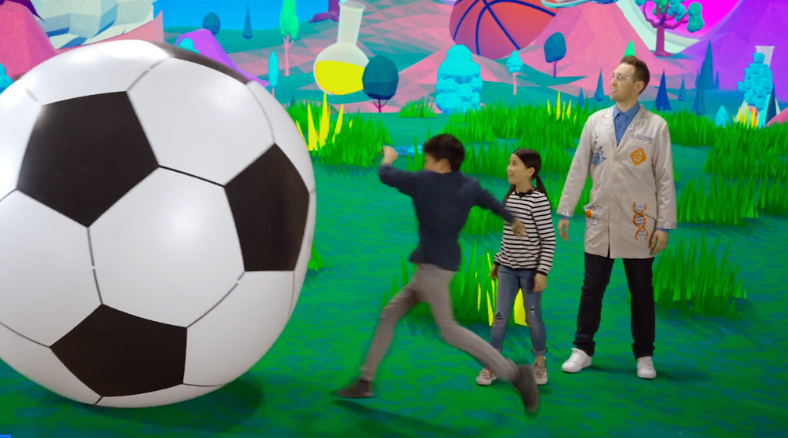
Passions and interests can help inspire learning. According to Edutopia, “action science makes science real to students and makes learning relatable.” So, giving them a chance to infuse their interests with learning can boost productivity, critical thinking, and engagement. Check out these fun and easy activities on energy, motion, and forces.
Consider the following:
K-2: Mini Golf DIY Activity
3-5: Balanced & Unbalanced Forces DIY Activity
3-5: Rube Goldberg Machine DIY Activity
3-5: Pendulum Painting DIY Activity
6-8: Balloon Rocket Race DIY Activity
K-8: Science DIY Activities for Kids
World Cup Science Resources by Grade
| Resource | Best For | Prep Level |
| Pushes & Pulls | K-2 | Zero prep |
| Forces & Motion | 3-5 | Zero prep |
| Collisions & Energy Transfer | 6-8 | Zero prep |
Grades K-2: Changing Direction
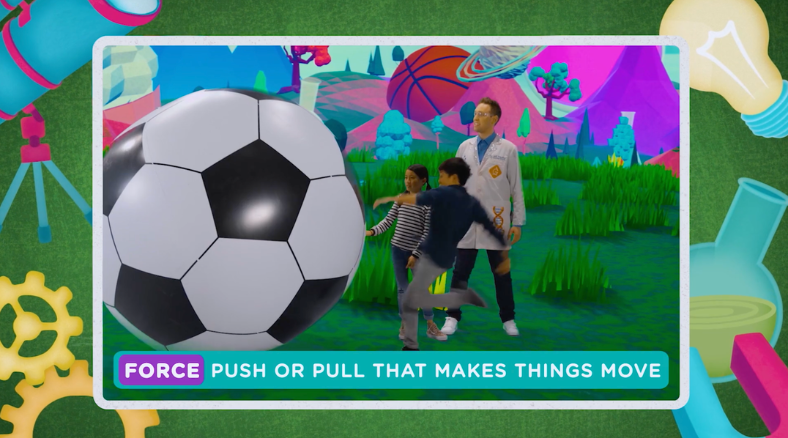
Six-year-olds don’t care about the physics of a bending free kick, but they do understand that a ball won’t move unless someone boots it. They need to see that a push can make things go, stop, or change lanes mid-game.
Pushes and Pulls Video for Kids
Grades 3-5: Unbalanced Forces
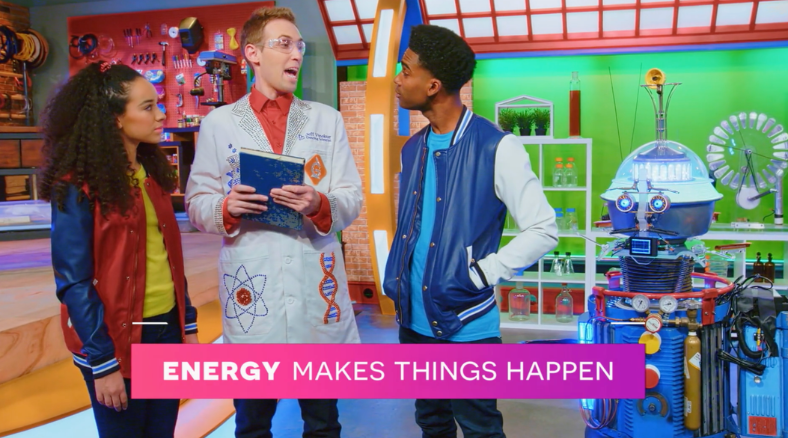
This age group understands the game, but they don’t understand why a ball slows down on thick grass versus turf. They need to analyze how multiple forces act on the ball simultaneously—gravity pulling it down, air resisting it, and the foot launching it.
Forces and Motion Video for Kids
Grades 6-8: Energy Transfer & Collisions
Middle schoolers think they know everything about soccer until you ask them to explain the exact moment a shin guard meets a flying ball. They need to look at the energy transfer during a penalty kick and explain why a deflated ball won’t travel as far. It works in regular classrooms and won’t call it cringe.
Collisions & Energy Transfer Video for Kids
The “I Have 20 Minutes Before the Quarter-Finals” Version
No time to prep? Here’s exactly what to do:
Minutes 1-5: Have students design a tiny soccer ball out of a crumpled piece of paper and a paperclip. Ask them to predict how many pushes it takes to cross their desk.
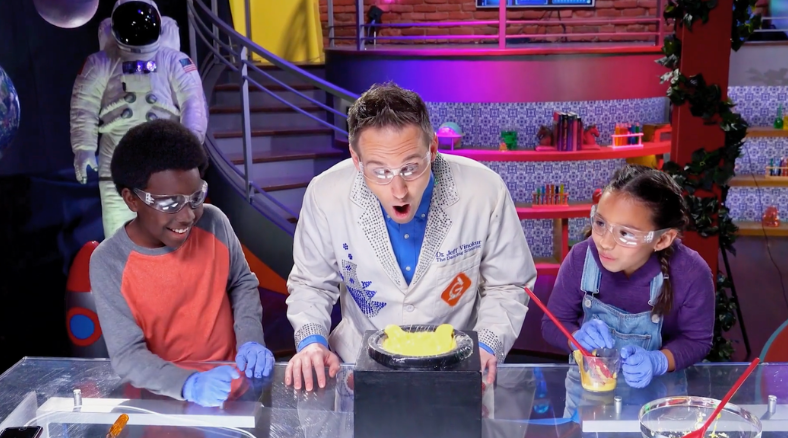
Minutes 6-15: Play the Generation Genius Pushes & Pulls (K-2) or Forces & Motion (3-5) video. Let Dr. Jeff handle the heavy lifting while you take a breath.
Minutes 16-20: Have them flick the paper ball again, but this time they have to use an eraser to apply an “unbalanced force” midway through.
The World Cup is more than just a distraction of your lesson plan. It’s a giant, real-world physics demonstration that your students are already staring at. Turn match day into science day.
For more on energy, check out Balloon Rocket Race DIY Activities


 GENERATION GENIUS