
Your learners are already barking at each other on the carpet and sharing endless stories about their cousin’s dog. Here’s how to turn that feral energy into actual learning.
Start Here: Insect vs. Animal
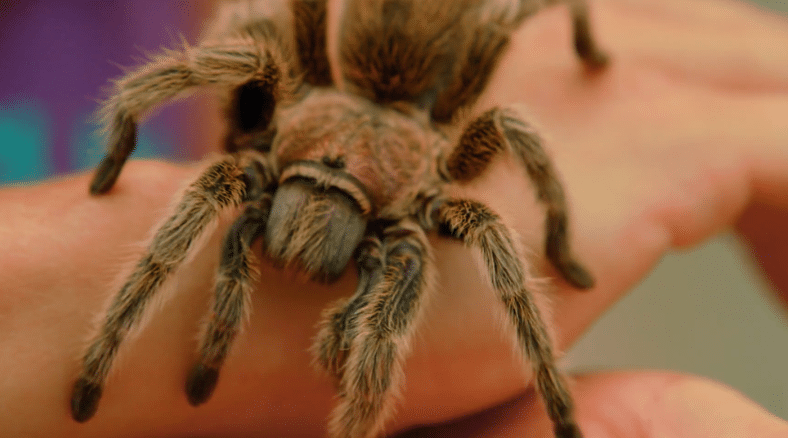
Ask your students if a spider is an insect. Write down what they say.
Most will tell you it absolutely is.
Here’s the fact that makes them pay attention: Spiders are arachnids, meaning they have more in common with a tick or a scorpion than a butterfly.
Try telling a kid that their favorite friendly neighborhood spider is basically a cousin to a blood-sucking tick. Watch their faces contort.
World Animal Day Resources by Grade
| Resource | Best For | Prep Level |
| Inspired by Nature (Biomimicry) | K-2 | Zero prep |
| Animal Habitats | K-2 | Zero prep |
| Biodiversity of Life on Earth | K-2 | Zero prep |
| Animals Help Their Babies Survive | K-2 | Zero prep |
| External Animal Parts | K-2 | Zero prep |
| Animals Need Food | K-2 | Zero prep |
| Structure of Living Things | 3-5 | Zero prep |
| Animal Adaptions & the Environment | 3-5 | Zero prep |
| Animal Group Behavior | 3-5 | Zero prep |
| Animal & Plant Life Cycle | 3-5 | Zero prep |
| Plant & Animal Cells | 6-8 | Zero prep |
| Classification of Living Things | 6-8 | Zero prep |
Grades K-2: Where Things Live and How They Grow
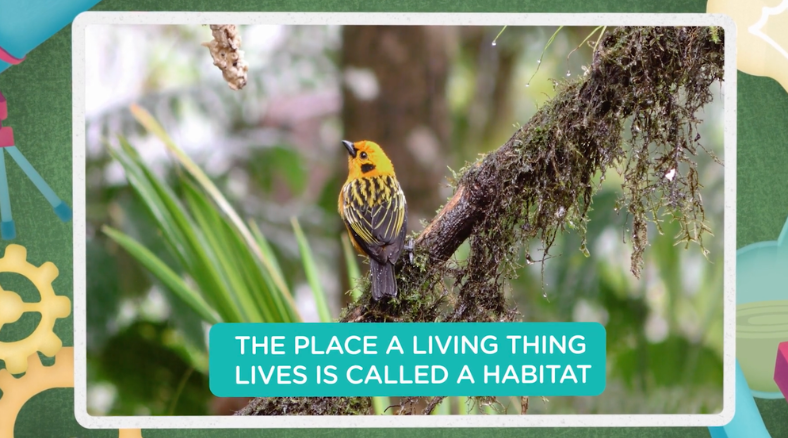
They desperately want to tell you about their pets. You need them to understand life cycles and why polar bears don’t live in the desert. Ground their energy in Animal Habitats and Animal Life Cycles so they can connect what they see in the yard to actual science.
Animal Habitats Activities + Video
Grades 3-5: Work as a Group
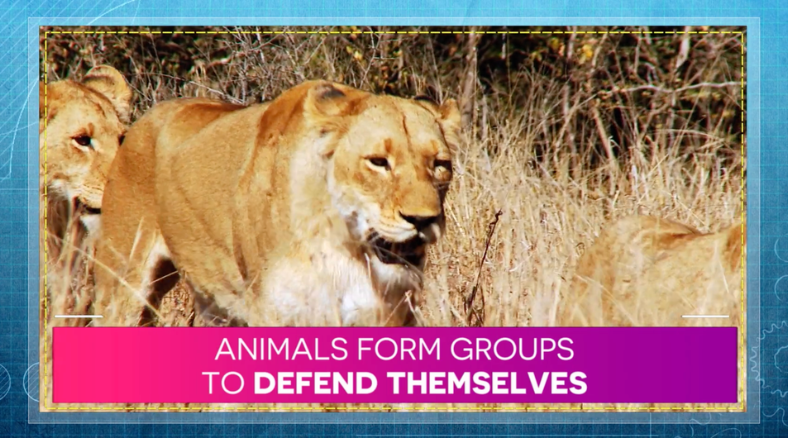
The animal kingdom is a wild place, including their behavior. Animals work in groups to find food, sometimes in packs of a hundred. Use Animal Group Behavior to help boost class engagement and collaboration.
Animal Group Behavior Activities + Video
Grades 6-8: Boost Their Brains With Taxonomy
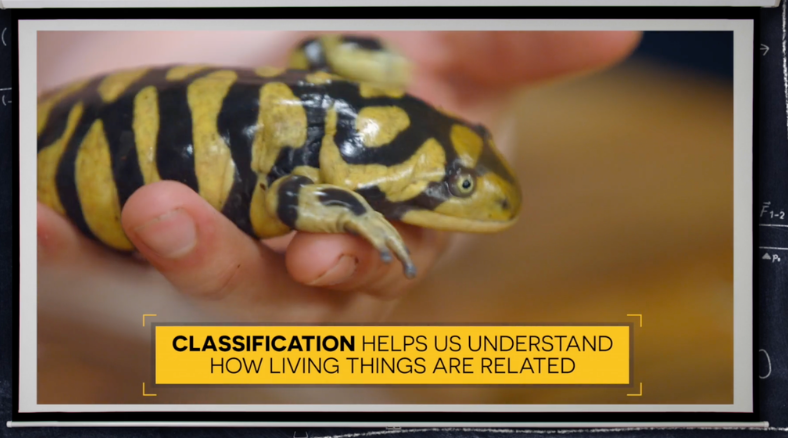
They think they know everything about animals because they watch TikTok animal rescue videos. It’s time to introduce Animal Classification. The mammal vs. reptile vs. amphibian differences (this one breaks their brains in a good way) require them to look past fur and scales to actual biology.
Classification of Living Things Activities + Video
The “I Have 20 Minutes Before Lunch Time ” Version
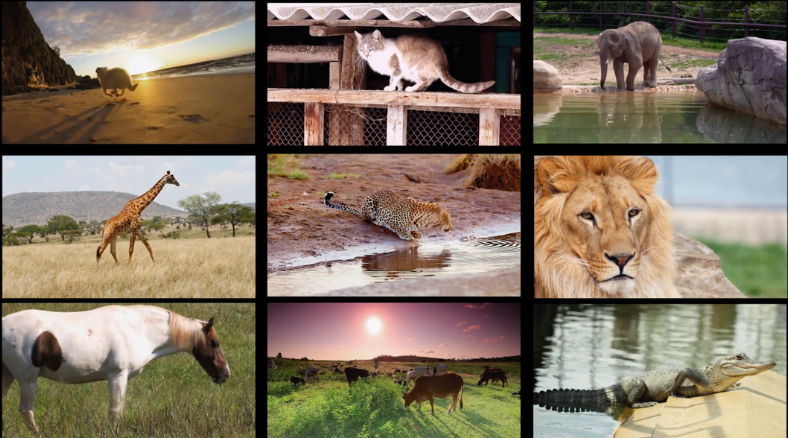
No time to prep? Here’s exactly what to do:
Minutes 1-5: Ask them to name the absolute weirdest animal they know and write the top three on the board.
Minutes 6-15: Play the Animal Habitats (K-2), Animal Group Behavior (3-5), Animal Classification (6-8) video.
Minutes 16-20: Have them quickly classify or assign a habitat to the weird animals on the board based on the rules they just learned.
World Animal Day is more than just drawing cute pandas and sharing pet stories. It’s teaching them how the animal living world is organized and survives.
For more on animals, check out Shark Week Science Lessons & DIY Activities (K-8)


 GENERATION GENIUS