Valentine’s Day is a logistical nightmare of glitter and sugar-crashing second graders. Here’s how to keep them in their seats and actually move the needle on your math standards.
Start Here: The Misconception That Ruins Everything
Ask your students: “If I give you half of my Valentine’s candy bar, and you give me half of your tiny conversation heart, do we have the same amount of candy?”
Most will tell you yes, because “half is half.” They’re wrong—and if you don’t surface this belief before teaching fractions, it’ll still be there in June.
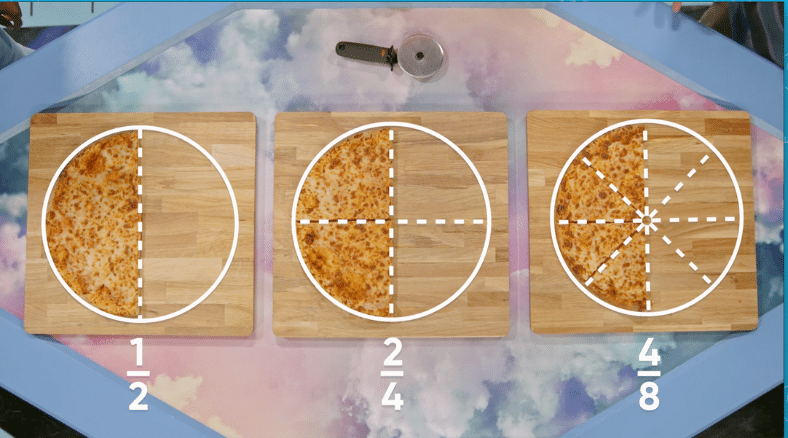
Here’s the fact that makes them pay attention: Fractions mean nothing without the “whole.” Try telling a kid they can have “half” of a reward, then handing them half of a post-it note instead of half of a pizza. They’ll understand the importance of the unit real fast.
That’s the whole thing. Everything else is details.
Valentine’s Math Resources by Grade

| Resource | Best For | Prep Level |
| Introduction to Counting Objects | Grades K-2 | Zero prep |
| Introduction to Fractions | Grades 3-5 | Zero prep |
| Representing Data | Grades K-2 | Low – candy hearts needed |
| Fractions (3-5) | Grades 3-5 | Zero prep |
| Line Plots | Grades 3-5 | Low – candy hearts needed |
Grades K-2: Visualizing the “Whole”
At this age, “equal parts” is a physical struggle. They think if they break a cracker into three jagged pieces, it’s thirds. They need to see the symmetry.
Partition Shapes into Equal Shares video
Grades 3-5: Data and Comparisons
Upper elementary kids think they’re too cool for Valentine’s until you bring in data. Once they start plotting the frequency of “Be Mine” vs. “Text Me” on a line plot, the competitive energy turns into quantitative analysis.
The “I Have 20 Minutes Before the Party” Version
No time to prep? Here’s exactly what to do:
Minutes 1-5: Hand out colored paper hearts or a small pile of candy. Ask them to predict which color is the “mode.”
6-15: Play the Representing Data or Line Plots video. It explains the “why” so you don’t have to shout over the sound of rustling candy wrappers.
16-20: Have them tally their hearts and compare with a neighbor.
That’s it. You taught a core standard while the rest of the hallway is probably watching a movie that has nothing to do with math.
Valentine’s Day math is more than just drawing hearts. It’s the perfect time to nail down fractions and data when engagement is naturally high.
Don’t let the sugar-crash win. Use the videos, try the DIY activity, and keep the learning going.




 GENERATION GENIUS