Your learners are dreaming of the beach, but the summer slide is all too real. Here’s how to use the longest day of the year for actual fun learning.
Start Here: The Misconception That Ruins Everything
Ask your learners why June is warmer than December. Write down what they say.
Ninety percent of them will confidently tell you it’s because the Earth is closer to the sun in the summer.
Here’s the fact that makes them pay attention: The Earth is actually furthest from the sun in July.
Try telling a kid that we’re closest to the sun in January while they’re scraping ice off a windshield. It completely breaks their brains in a good way. That’s the whole thing. It’s all about the tilt, not the distance.
Summer Solstice DIY Activities
The summer solstice is the start of summer fun. Naturally, summer gives learners a chance to better understand the world around them, by incorporating science. Using hand-on and project-based learning can help boost curiosity.
According to Edotopia, “by inviting learners into the process it can help boost engagement.” This naturally promotes wonder and curiosity, where learners want to dive deeper into topics and themes. By kids being invested in their learning, it prompts discovery and wanting to better understand the world around them.
Consider the following:
K-2: Seasons Tree DIY Activity
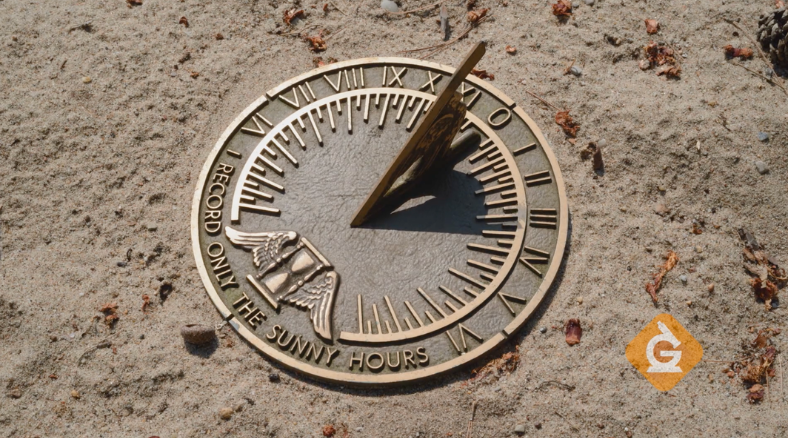
3-5: Sundial DIY Activity
3-5: Planisphere DIY Activity
3-5 Moon Phases DIY Activity
3-5: Recycled Racer DIY Activity
Science-Sing-a-longs:
K-2: The Four Seasons Song
K-2: The Sun, Moon, & Stars Song
Summer Solstice Resources by Grade
| Resource | Best For | Prep Level |
| Weather & Four Seasons Video | K-2 | Zero prep |
| BIodiversity of Life on Earth | K-2 | Zero prep |
| Sunlight Warms the Earth | K-2 | Zero prep |
| Sun & Other Stars | 3-5 | Zero prep |
| Earth’s Orbit & Rotation | 3-5 | Zero prep |
| Moon & Phases | 3-5 | Zero prep |
| Interaction of Earth Spheres | 3-5 | Zero prep |
| Earth Landscapes | 3-5 | Zero prep |
| Causes of Seasons | 6-8 | Zero prep |
Grades K-2: Shadows and Sunlight
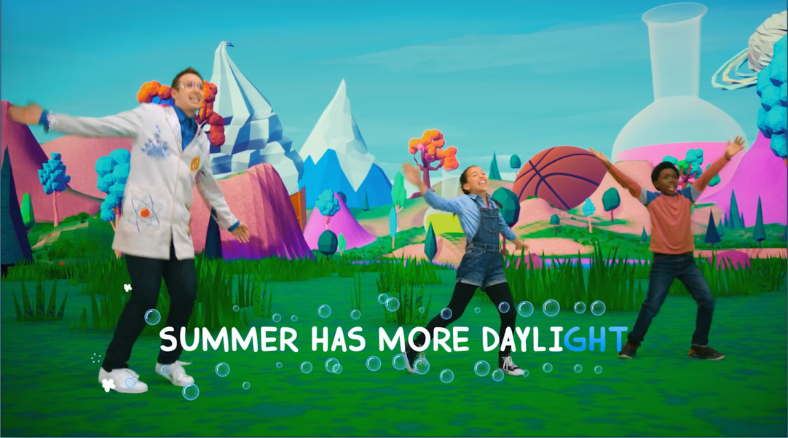
At this age, the solstice is abstract, but shadows are real. They need to see that the sun isn’t just “out longer,” but that it changes how things look on the pavement outside.
Weather and Four Seasons Video for Kids
Grades 3-5: The Sun’s High Path
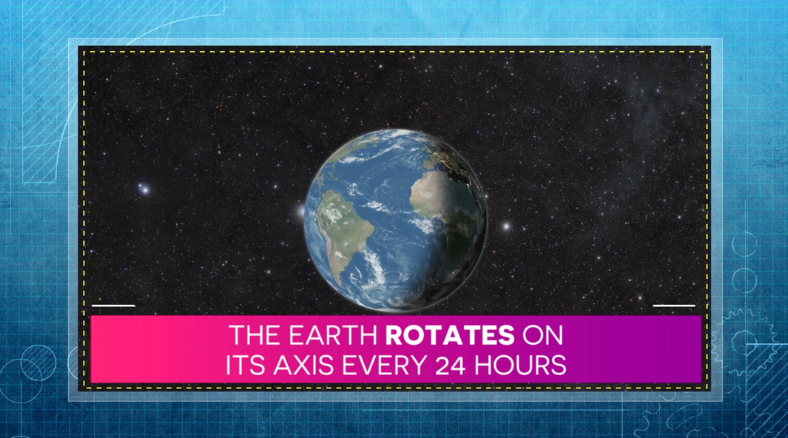
Third through fifth graders can handle data, but they still need visuals. They need to connect the angle of the sun to the length of their own shadow at noon.
Earth’s Orbit & Rotation Video for Kids
Grades 6-8: The 23.5-Degree Reality
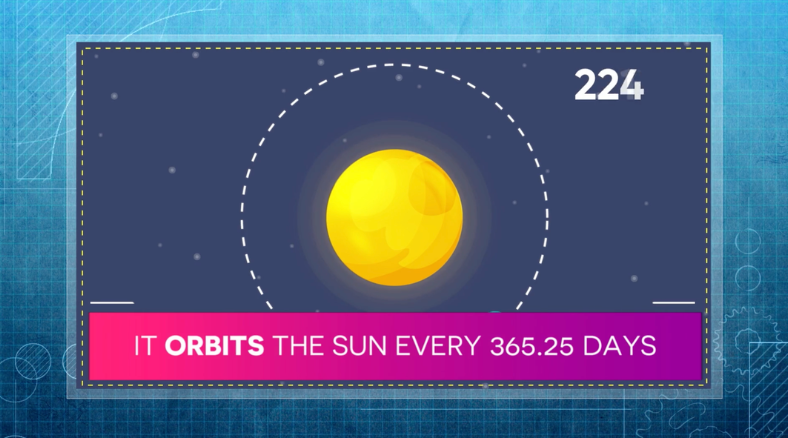
Middle schoolers need mechanics. They need to look at the planet from space to understand why the Northern Hemisphere is getting drenched in sunlight while the Southern Hemisphere is shivering. They won’t call it cringe if you show them the actual math behind the tilt.
Causes of Seasons Video for Kids
The “I Have 20 Minutes Before Ice Cream” Version
No time to prep? Here’s exactly what to do:
Minutes 1-5: Go outside and trace your learner’s shadow with sidewalk chalk. Write the time next to it.
Minutes 6-15: Come inside and play the Generation Genius video for your grade band.
Minutes 16-20: Do a DIY activity or try an online quiz game.
The Summer Solstice is more than just the official start of beach season. It’s the cleanest, most real-world example of planetary motion your kids will experience all year.
For more on summer science, check out World Cup Soccer Science Lessons & DIY Activities (K-8)


 GENERATION GENIUS