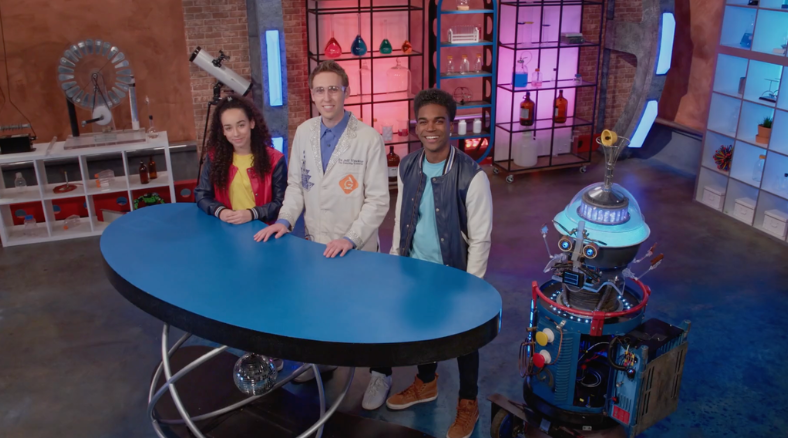
It’s a fun time of year for learners. The candy aisle is fully stocked and your classroom is starting to feel full of halloween energy. Here’s how to turn the spooky season into actual standards-aligned learning.
Start Here: What Do Bats Do At Night?
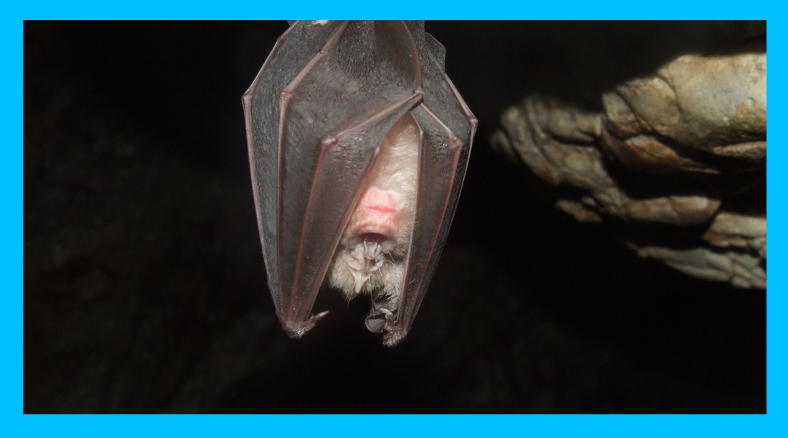
Ask your students what bats do all night. Write down what they say.
Most will tell you they drink blood, turn into vampires, or tangle themselves in people’s hair.
Here’s the fact that makes them pay attention: Without bats, we wouldn’t have chocolate, and we’d be swarmed by mosquitoes.
Try telling a kid that a single bat eats thousands of bugs a night, or that they pollinate the cacao plants that make their Halloween candy possible. The “scary monster” narrative falls apart immediately when they realize bats are the ultimate pest control and candy protectors.
Bat Week Resources by Grade
| Resource | Best For | Prep Level |
| Habitats | K-2 | Zero prep |
| Biodiversity of Life on Earth | K-2 | Zero prep |
| The Five Senses | K-2 | Zero prep |
| Adaptions & the Environment | 3-5 | Zero prep |
| Animal & Plant Life Cycles | 3-5 | Zero prep |
| Ecosystems | 3-5 | Zero prep |
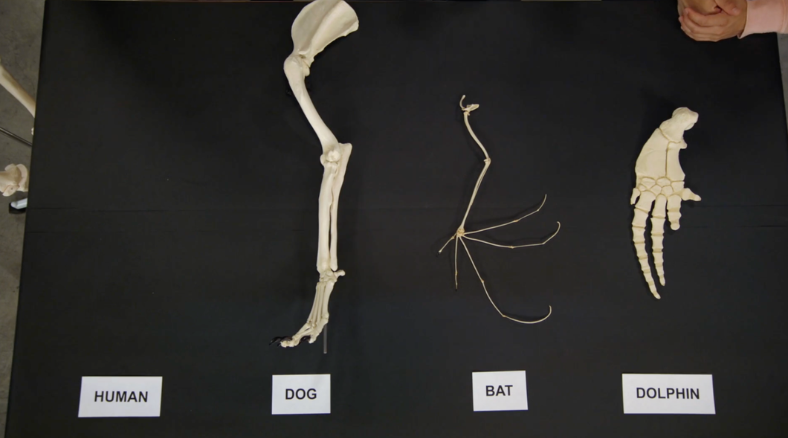
| Comparative Anatomy | 6-8 | Zero prep |
| Diarama Habitat DIY Activity | K-2 | Low prep |
| Biodiversity Study DIY Activity (Biodiversity) | K-2 | Low prep |
| Terrarium DIY Activity (Ecosystems) | 3-5 | Low prep |
| Seed Grasping DIY Activity (Adaptions & Environment) | 3-5 | Low prep |
| Owl Pellet Dissection DIY Activity (Comparative Anatomy) | 6-8 | Low prep |
Grades K-2: The Cave Dwellers

They think bats just hang in empty black voids. What they actually need to understand is how a cave provides the specific shelter and temperature a bat requires to survive, just like their own bedroom does for them. Students actually love it when they realize a habitat is just an animal’s neighborhood.
Grades 3-5: The Ecosystem Engine
By third grade, they know what a bat is, but they don’t understand how echolocation is basically a biological superpower. They need to see how these adaptations allow animals to control pest populations and keep entire ecosystems balanced. If bats disappear, the local food web collapses.
The “I Have 20 Minutes Before The Halloween Parade” Version
No time to prep? Here’s exactly what to do:
Minutes 1-5: Ask the class to draw a bat’s habitat. Let them share the completely incorrect spooky graveyards they inevitably draw.
Minutes 6-15: Play the Habitats (K-2) or Ecosystems (3-5) video depending on your grade level. Let the visuals do the heavy lifting.
Minutes 16-20: Do the post-video discussion questions together as a class.
Bat Week is more than just an excuse to cut out black construction paper silhouettes. (Although, we appreciate a good DIY craft.) Bat Week is a prime opportunity to teach ecosystems, adaptations, and habitats when their interest is naturally peaking.
For more science, check out Halloween Science Lessons & DIY Activities (K-8)


 GENERATION GENIUS