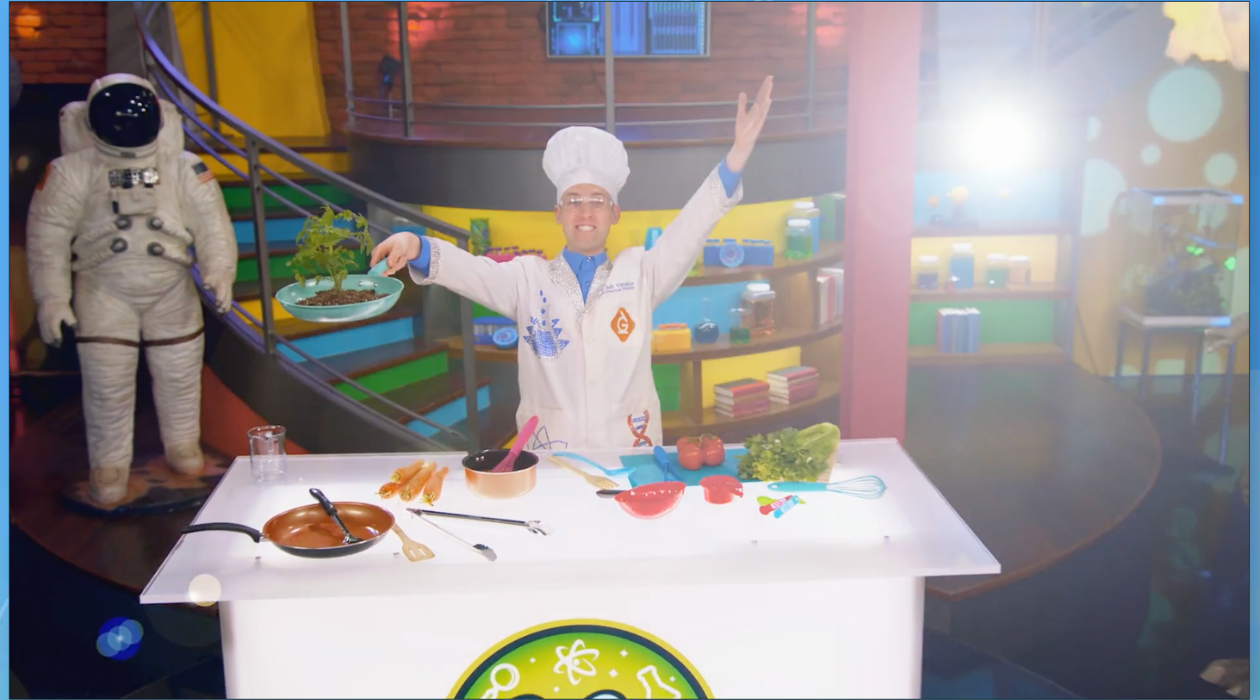
St. Patrick’s Day is another fun opportunity to incorporate science lessons & DIY activities into your party day. Between the glitter from leprechaun traps and the general chaos, you might as well lean into the theme with science that sticks.
Start Here: The Misconception That Ruins Everything
Ask your students where the colors in a rainbow come from. Write down what they say.
Most will tell you that the colors are “hidden inside the rain” or that the sun “paints” them on the sky.
Here’s the fact that makes them pay attention: The colors aren’t in the rain. They’re in the light hitting the rain. White light is actually a crowded room of every color vibrating at once. The water droplet just acts like a prism that forces them to separate so we can see them individually. It’s not magic; it’s a traffic jam of light waves.
St. Patrick’s Day DIY Activities

According to Edutopia, “Science Instruction is essential. It can enhance social emotional learning in teamwork, critical thinking, and self management. In fact, elementary students, need more science instruction.” To help boost classroom engagement, here are some DIY activities to consider:
- K-2 DIY Activity: Plants need water & light DIY
- K-2 DiY Activity: Plant Life Cycle DIY
- K-2 DIY Activity: Rainbow Crayon DIY
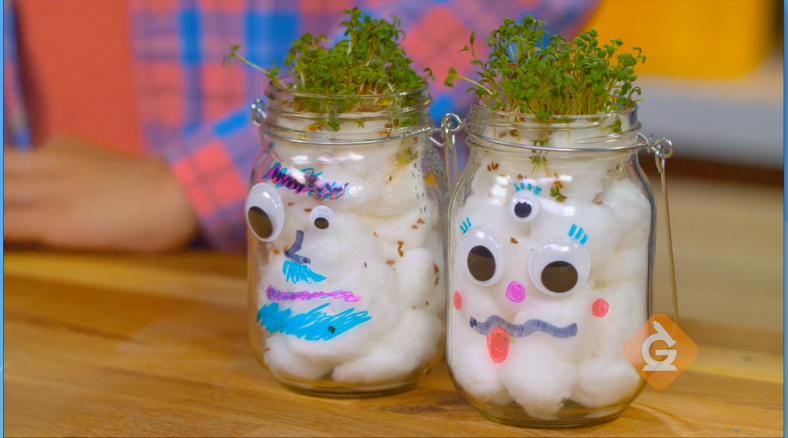
“You can tie in the Plants Need Water and Light lesson to growing clovers with the class! Get some clover seeds, plant them and hope for some 4-leaf clover luck!”-Hanna, 1st Grade Teacher, itslitwithmrsC
All Generation Genius DIY activities are zero to low cost, low prep, and typically run under 30-45 minutes. For more on plants, (and to get those wiggles out), check out The Plant song music video.
St. Patrick’s Day Science Resources by Grade
| Resource | Best For | Prep Level |
| Plants need Water & Light | Grades K-2 | Zero prep |
| Communication through Light | Grades K-2 | Zero prep |
| Parts of a Plant | Grades K-2 | Zero prep |
| Light Reflection & Vision | Grades 3-5 | Zero prep |
| Introduction to Plants | Grades 3-5 | Zero prep |
Grades K-2: Colors and Clovers
At this age, “green” is a personality trait for the day. Use that energy to talk about why plants are actually green (chlorophyll) and how rainbows work before they start looking for pots of gold.
“The benefits of using Generation Genius for St. Patrick’s Day is that it provides an engaging video that will teach students how to build and test things! It also introduces key vocabulary terms that my first graders need to know for science.”
-Hanna, 1st Grade Teacher, itslitwithmrsc
Parts of a Plant Video for Kids
Grades 3-5: The Physics of Luck
Older elementary kids think they know how rainbows work because they’ve seen them on cereal boxes. Use the reflection and vision lesson to break their brains by showing them that light travels in straight lines until something like a lucky rain shower gets in the way.
Light reflection & Vision Video for Kids
You can always find new ways to use other lessons for the holiday too, including this suggested by Hanna, “Generation Genius has an awesome lesson called, What is Engineering? This is the perfect lesson to teach your class before having them build a Leprechaun trap for St. Patrick’s Day!”
The “I Have 20 Minutes Before the Green Cupcake Chaos” Version
No time to prep? Here’s exactly what to do:
Minutes 1-5: Ask the class why we see green when we look at a clover. (Hint: It’s the only color the plant doesn’t want).
Minutes 6-15: Watch the Plants Need Light and Water (K-2) video or Introduction to Plants (3-5) video. It covers why they are green and how they stay alive without eating sandwiches.
Minutes 16-20: Do a quick “Color Reflection” demo with a flashlight and any green object in the room.
St. Patrick’s Day is more than just wearing green and cleaning up glitter. It’s a chance to explain the physics of the world they’re already looking at.




 GENERATION GENIUS