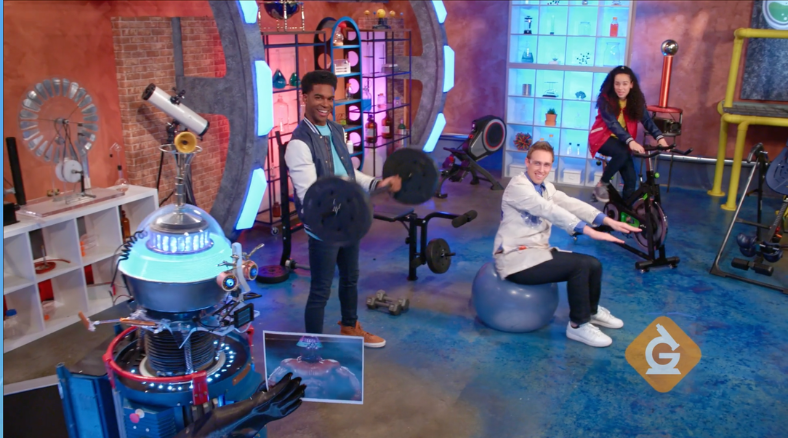
February 14th is a minefield of candy hearts and lost focus. Here’s how to hijack the “holiday” energy for actual standards alignment before the sugar crash hits.
Start Here: The Misconception That Ruins Everything
Ask your students how big their heart is. Write down what they say.
Most will tell you it’s a giant, perfectly symmetrical red shape that lives in the left side of their chest and “pumps love.” They’re wrong—and if you don’t surface this belief before teaching, it’ll still be there in June.
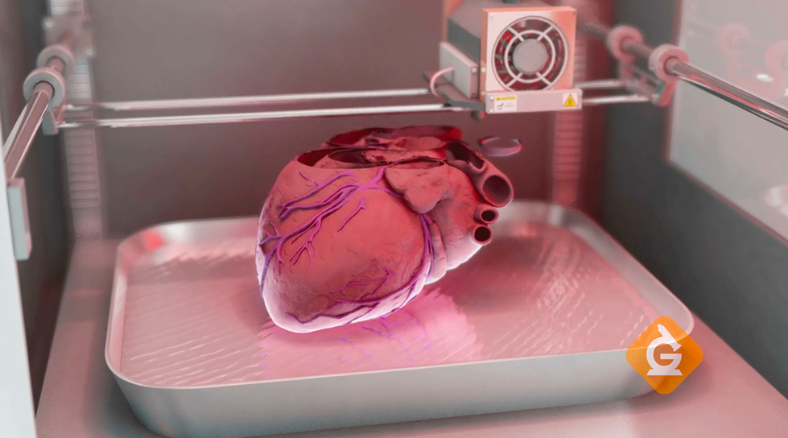
Here’s the fact that makes them pay attention: Your heart is a muscular pump about the size of your fist, and it’s located almost exactly in the middle of your chest.
Show them your fist. Tell them that’s what’s currently keeping them alive while they argue over who got the most cards. That’s the whole thing. Everything else is details.
Valentine’s Science Resources by Grade
| Resource | Best For | Prep Level |
| How the Body Works | Grades K-2 | Zero prep |
| Circulatory System | Grades 3-5 | Zero prep |
| Brain Processing Video | Grades 3-5 | Zero prep |
| Multicellular Organisms | Grades 6-8 | Zero prep |
| Valentine’s Math Lessons & DIY Activities | Grades K-5 | Zero prep |
Grades K-2: It’s Not a Shape, It’s a Pump
At this age, “Heart” is just a shape they draw on cards. They need to understand it’s a hard-working muscle that never takes a lunch break.
“I love that Generation Genius promotes curiosity and questioning—discourse and higher order thinking are two big buzz words in my district and these valentines day themed science lessons are perfect for any teacher that wants to incorporate academics effectively throughout the holiday energy!”
-Sarah , 1st Grade Teacher, _bigheartlittleminds_
Grades 3-5: The Delivery Highway
By 3rd grade, they can handle the “delivery truck” analogy. Oxygen goes in, carbon dioxide goes out. This lesson moves them from the “what” to the “how” of the circulatory system without needing a medical degree to explain it.
Human Body Systems Video for Kids
Grades 6-8: Chemistry is the Real “Spark”
Middle schoolers think Valentine’s Day is cringe. Lean into that. Shift the focus from “feelings” to “reactions.” Using chemistry to explain why things change color or explode is the only way to keep the class engaged.
Chemical Vs. Physical Changes Video for Kids
The “I Have 20 Minutes Before the Class Party” Version
No time to prep? Here’s exactly what to do:
Minutes 1-5: Have everyone make a fist. Explain that’s their heart. Have them jump in place for 60 seconds. Feel the “pump” working.
Minutes 6-15: Watch the Generation Genius Circulatory System video.
Minutes 16-20: Pass out the “Exit Ticket” worksheet. It’s one page, no fluff, and lets them prove they learned something before they inhale a cupcake.
That’s it. You taught a core standard while the rest of the hallway is probably watching a movie that has nothing to do with science.
Valentine’s Day is more than just card exchanges and sugar rushes. It’s an easy entry point for human biology, circulatory system, and chemistry.
Don’t let the glitter win. Use the videos, try the activities, and keep them learning.



 GENERATION GENIUS