It’s Random Acts of Kindness Week, which usually means paper hearts and glitter everywhere except the trash can. Here’s how to teach the science of why being nice doesn’t just feel good, it re-wires the brain.
Start Here: The Misconception That Ruins Everything
Ask your students where “feelings” happen. Write down what they say.
Most will point to their chests and talk about their hearts. They’re wrong and if you don’t surface this belief before teaching, it’ll still be there in June.
Here’s the fact that makes them pay attention: Your heart is just a pump; your brain is a chemical pharmacy.
Try telling a kid that the “warm and fuzzy” feeling they get when helping a friend is actually a hit of dopamine and oxytocin. It’s not magic; it’s a physiological reward system. Once they realize kindness is a biological hack for a better mood, the “why” behind social emotional learning stops being a lecture and starts being a science experiment.
That’s the whole thing. Everything else is details.
Kindness & Brain Science Resources by Grade
| Resource | Best For | Prep Level |
| The Brain | Grades 3-5 | Zero prep |
| Variations of Traits | Grades 3-5 | Zero prep |
| Genes and Mutations | Grades 6-8 | Zero prep |
| Brain Processing (Reaction Time) DIY | Grades 3-5 | Low prep |
Grades 3-5: The Chemistry of Kindness
Upper elementary students are ready for the “why.” They love the idea that they can influence their own brain chemistry. Teaching them about psychology and how the brain processes social interactions turns “being nice” into a study of human behavior. It moves the needle from “teacher told me to” to “I’m observing my own reactions.”
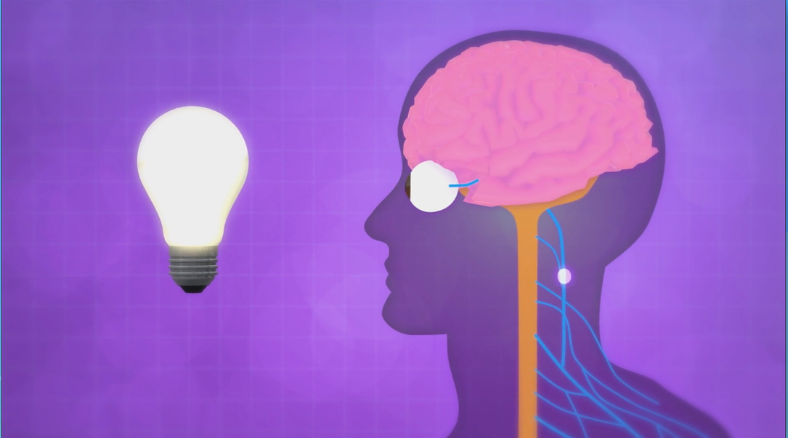
Brain Processing of Senses Video for Kids
The “I Have 20 Minutes Before the Assembly” Version
No time to prep? Here’s exactly what to do:
Minutes 1-5: Ask the class: “If I give a high-five, whose brain feels better—mine or theirs?” Let them discuss.
Minutes 6-15: Watch Processing of Senses Video (3-5 ) or Genes and Mutations Video (6-8 ).
Minutes 16-20: Have them write one “Chemical Reaction” note to a classmate. It’s not a card; it’s a delivery of dopamine.
You could even turn this activity into a group conversation and tally the answers. And just like that another core science standard taught.
Kindness week is more than just a break from the curriculum. It’s the perfect time to show kids the hardware behind their software.
Don’t let the glitter-glue projects win. Use the videos, grab the DIY activities, and make it science.


 GENERATION GENIUS