
Teaching English Language Arts at home may start with a lot of questions before it hits 12 pm. Here’s how to cover K-5 reading comprehension, vocabulary, grammar, and foundational skills without missing a minute of learning.
Start Here: Learning May Look Different (And that’s a Win)
Sometimes as parents, you may wonder, how kids master English Language Arts, the advice usually comes from a place of love and tradition: “Read more books and practice every day.”
It’s completely natural to lean on supportive resources like flashcards, phonics drills, and workbooks to help build reading comprehension and a strong vocabulary. But, while those traditional tools come with great intentions, real understanding takes root a little differently.
Here’s something that makes them pay attention. Reading comprehension and grammar mastery truly flourish when children are given rich visual context and the freedom to talk through ideas together.
When a learner can picture the job a verb actually does or visually connect with what “inferring” looks like in a story, everything clicks into place. Moving beyond passive tasks turns routine practice into meaningful lightbulb moments that stay with them forever.
Homeschool ELA Resources by Grade
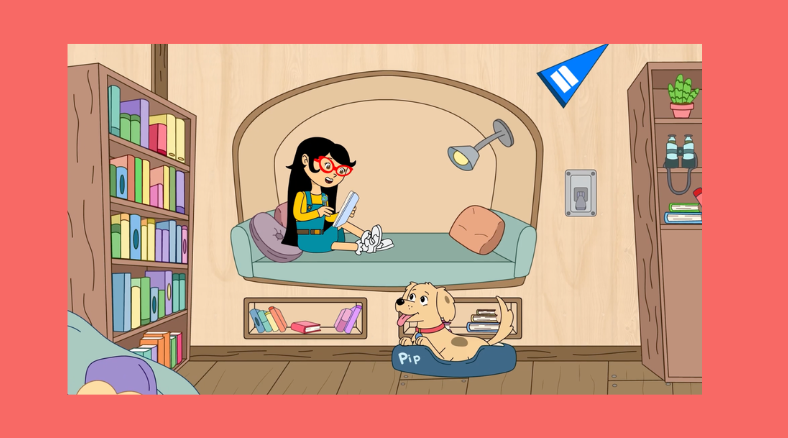
Grades K-2: Building Foundations Without the Confusion
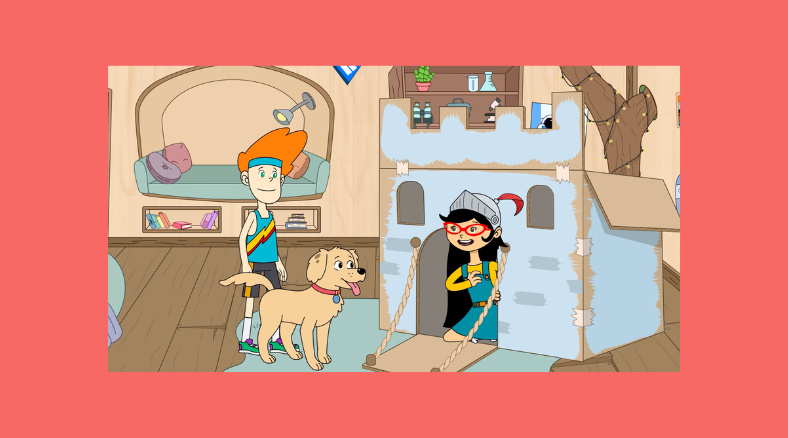
At this age, kids are either hyper-focused on sounding out every single letter or completely zoning out when you bring out a reading log. They need visual anchors and clear sound-to-letter connections. Consider giving them a boost to connect what they’re hearing and seeing through some fun characters!
•The Three Little Dogs: Decoding
•Capitalization Castle: Punctuation & Capitalization
•Making Noun-sense: Common & Proper Nouns
Grades 3-5: Mastering Comprehension & Vocabulary in Context
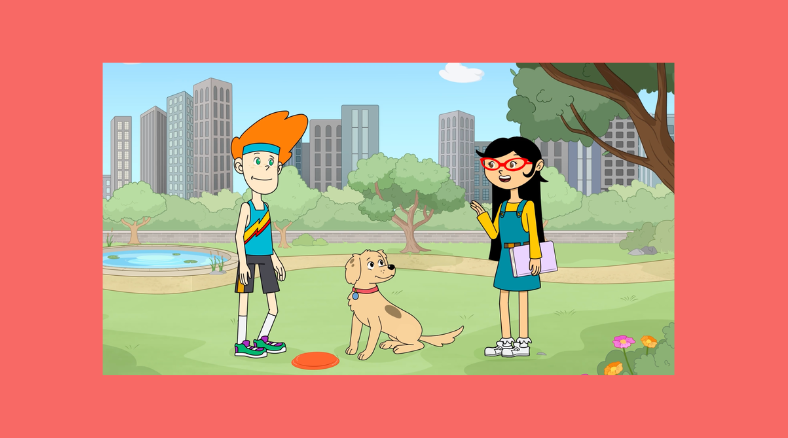
Upper elementary kids love to tell you they “read the chapter” even when they can’t answer a single question about what actually happened on page two. They need to learn how to hunt for context clues and pull out main ideas without feeling like they’re taking a high-stakes standardized test. Empower your learners to put on a detective hat to discover more in their stories.
•The Case of the Pea Milk: Main Ideas & Supporting Details
•Digging for Roots: Root Words & Root Origins
•Titanic Clues: Using Explicit Information, Inferences, to Ask and Answer Questions
The “I Have 20 Minutes Before Lunch” Version
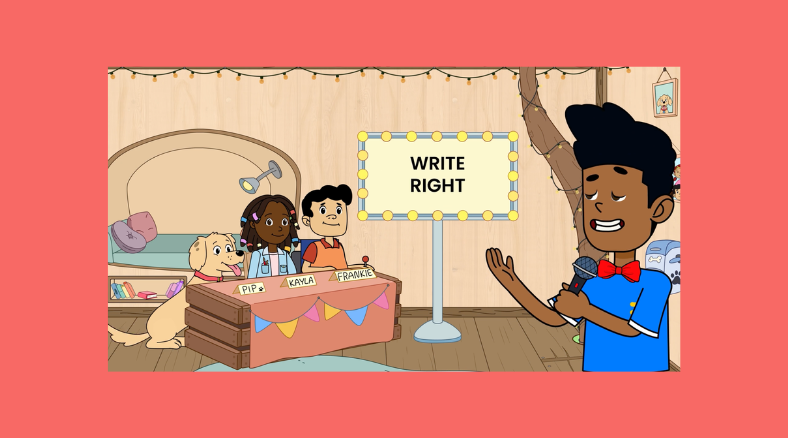
No time to prep an elaborate literature unit or grade a stack of grammar pages? Here’s exactly what to do:
Minutes 1-5: Ask your learner one opening question about today’s focus (e.g., “How do you figure out what a weird word means when you’re in the middle of a book?”).
Minutes 6-15: Play the Generation Genius ELA video lesson on reading comprehension, grammar, or vocabulary. Let the video do the heavy lifting of explaining the core concept visually.
Minutes 16-20: Do the quick 5-question online quiz together right on the screen. Ask some discussion prompts and watch your learner come up with a story based around what they just learned.
Teaching ELA at home is more than just slogging through reading comprehension workbooks. It’s about building confident readers who actually enjoy language. So, next time when you’re considering where to spend your homeschool ESA dollars, just remember your raising confident thinkers who are ready for life-long learning.
For more on homeschool, check out Homeschool Science Lessons & Activities (K-8)


 GENERATION GENIUS