


1%
Processing, please wait...
It was processed successfully!
Login Create Free Account
en | es

Sound Waves Vibration DIY Bugle: Football Science Activity

Autopause

Materials

PVC pipe
PVC pipe
Balloon
Balloon
Tape
Tape
A grown-up to cut the pipe

Instructions

STEP 1

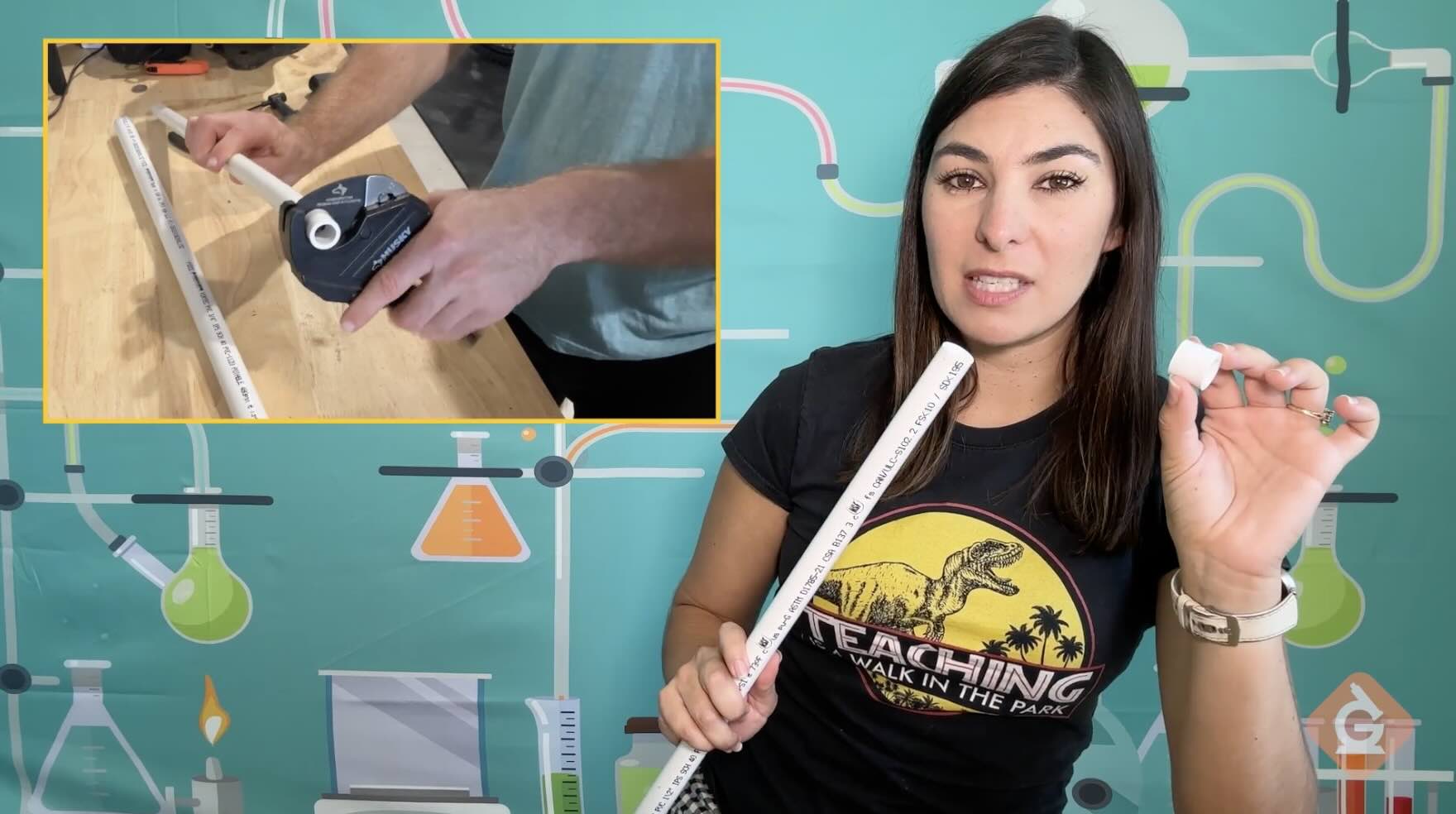
Have a grown-up cut about 1 inch off the end of your PVC pipe to make a small ring. The length and width of the main pipe don’t matter, but they change the sound you’ll hear.
STEP 2

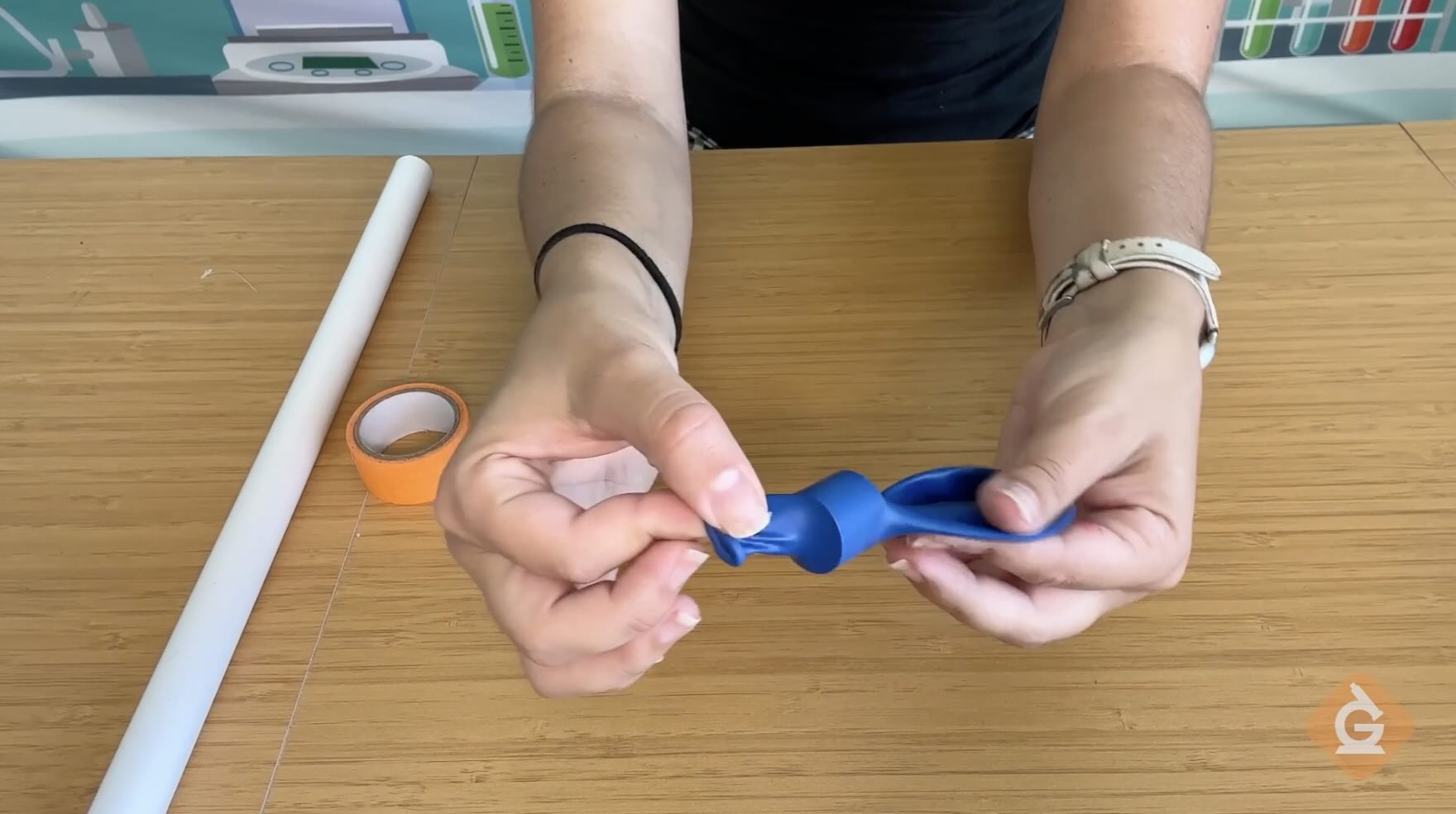
Push the small piece of pipe into the neck of the balloon. Center it so the opening of the balloon lines up with the opening of the pipe. Go slowly so the balloon doesn’t rip, and keep extra balloons handy.
STEP 3

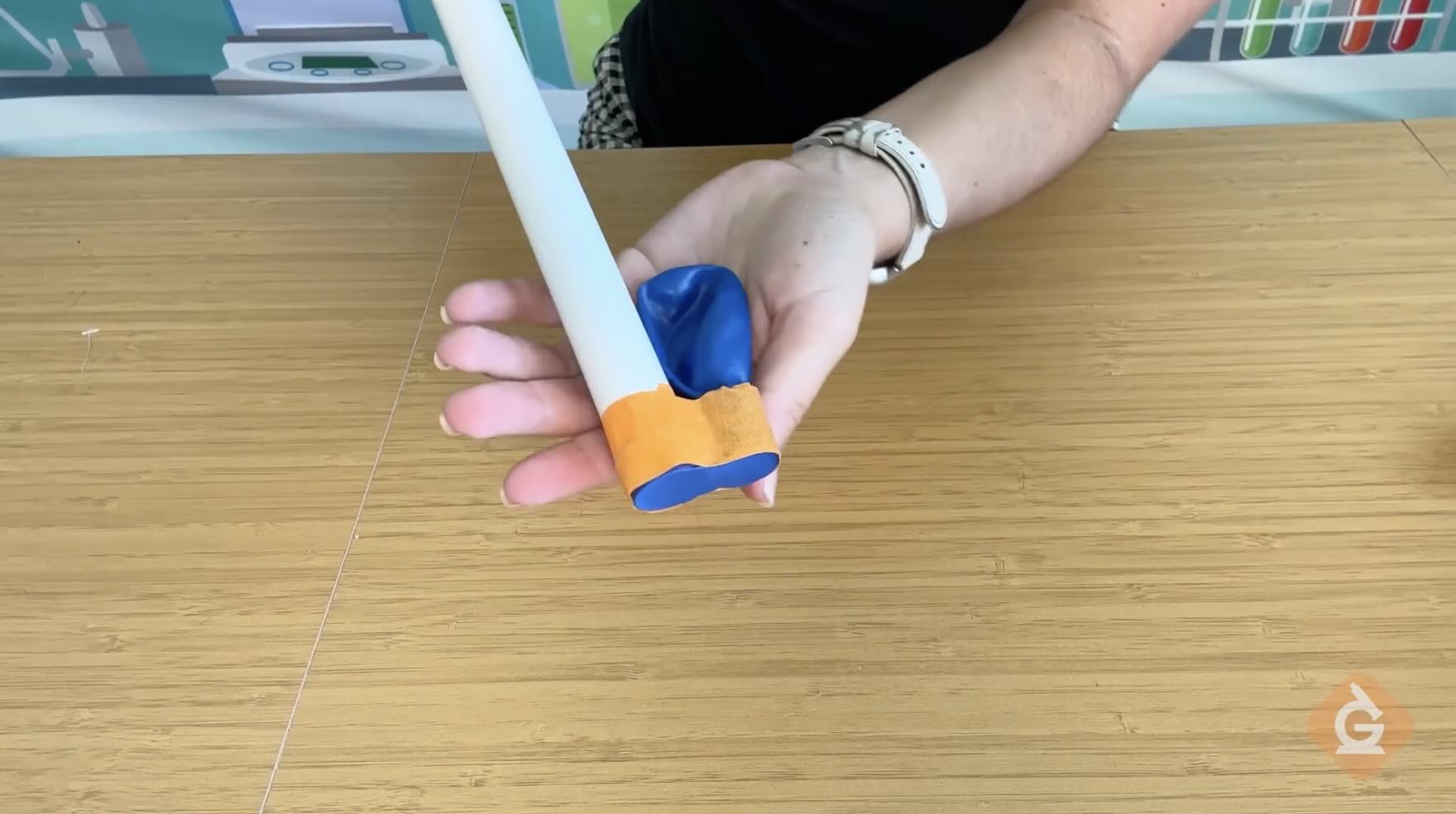
Stretch the overhanging balloon neck over the end of the long pipe, with the small piece sitting flush against it.
STEP 4

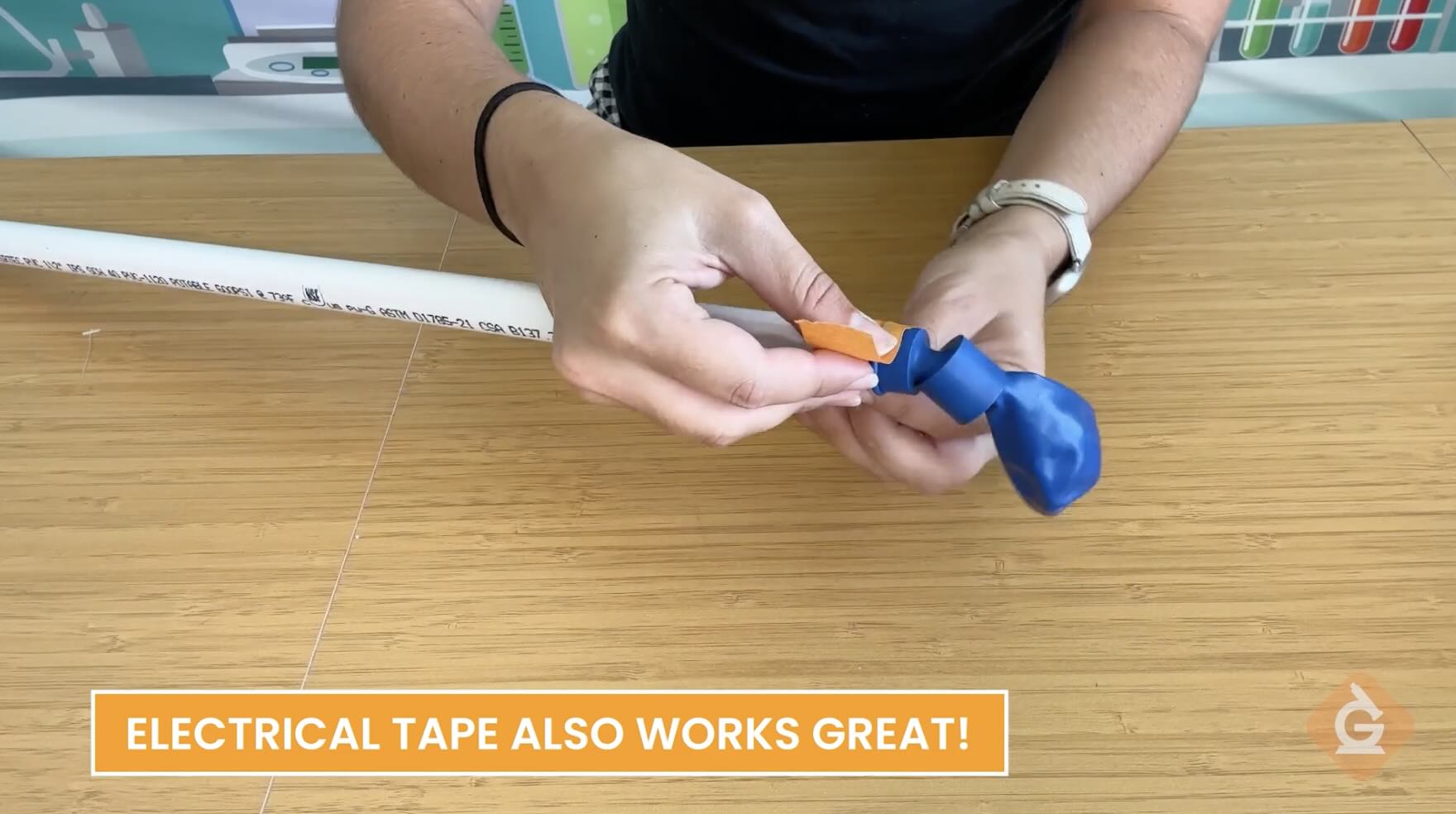
Wrap tape around both pieces of pipe where they meet so the balloon is held tight. Electrical tape works great too.
STEP 5

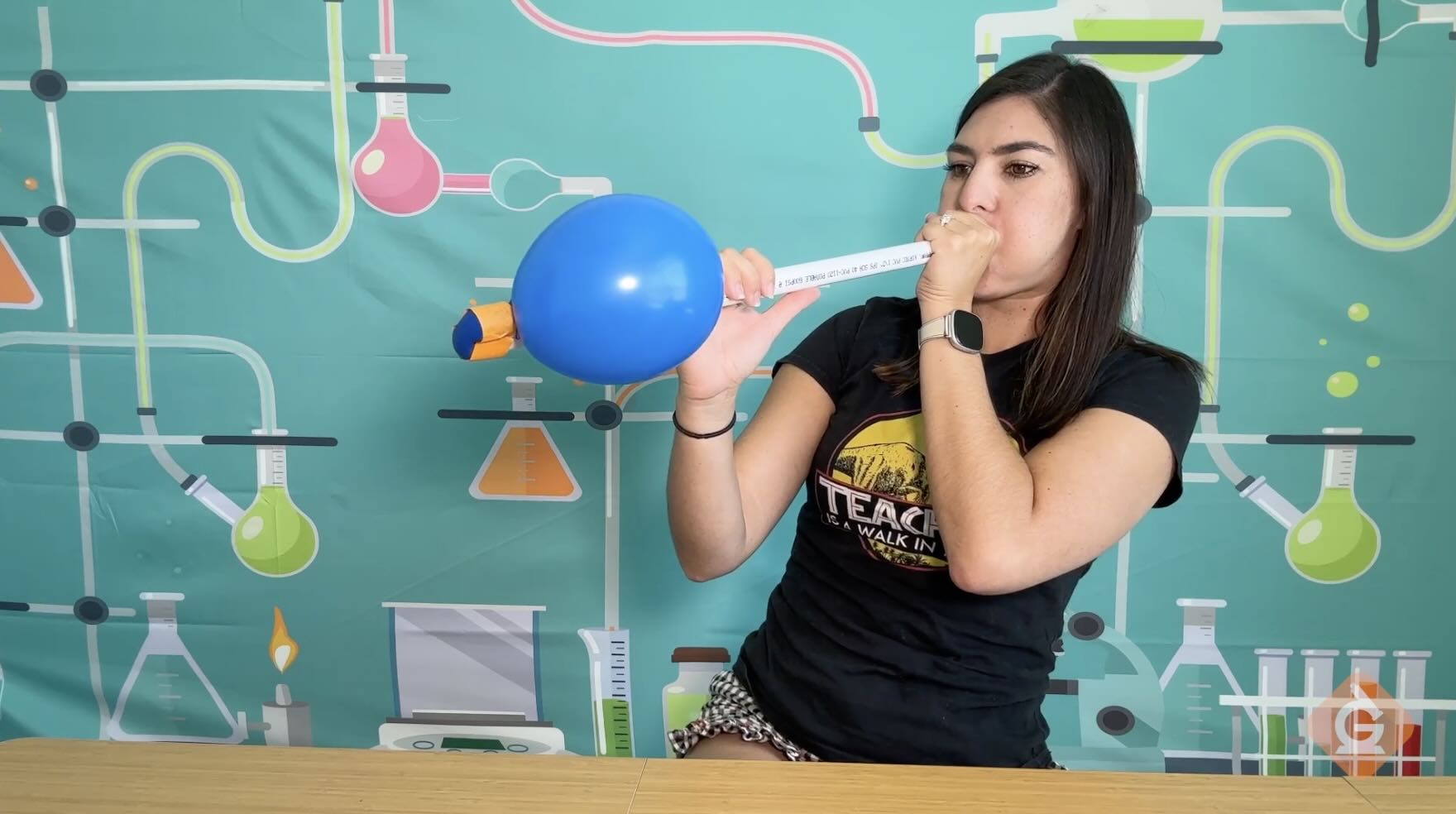
Blow into the open end of the pipe to inflate the balloon, and hold it closed. Before you release, make a prediction: will your bugle sound high-pitched or like a deep rumble? Will it be one quick honk or a long sound like a train horn?
STEP 6

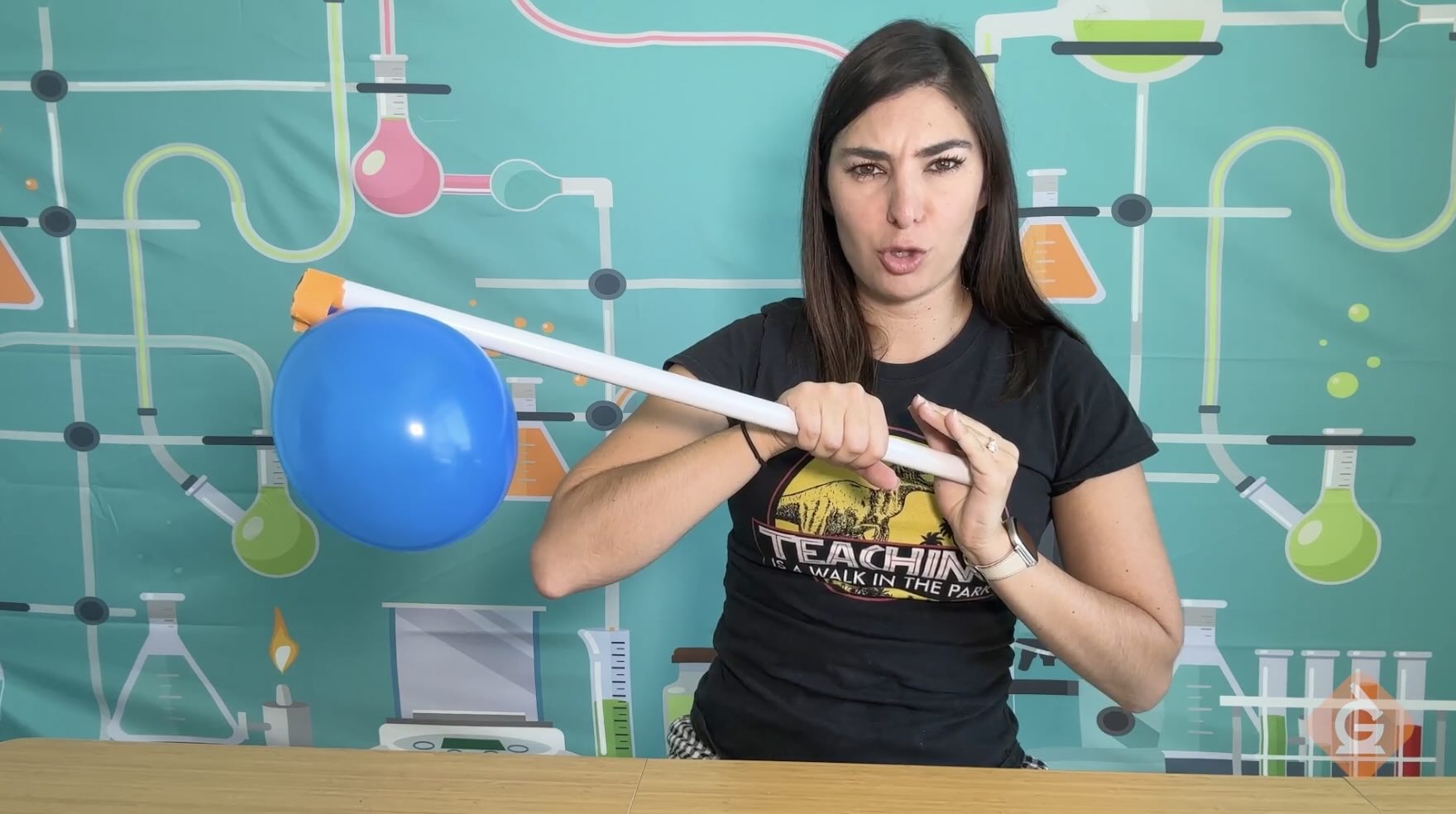
Count “one, two, three” and let go. Observe: what do you hear? Lightly touch the balloon neck as the sound plays. Can you feel it vibrating?
STEP 7

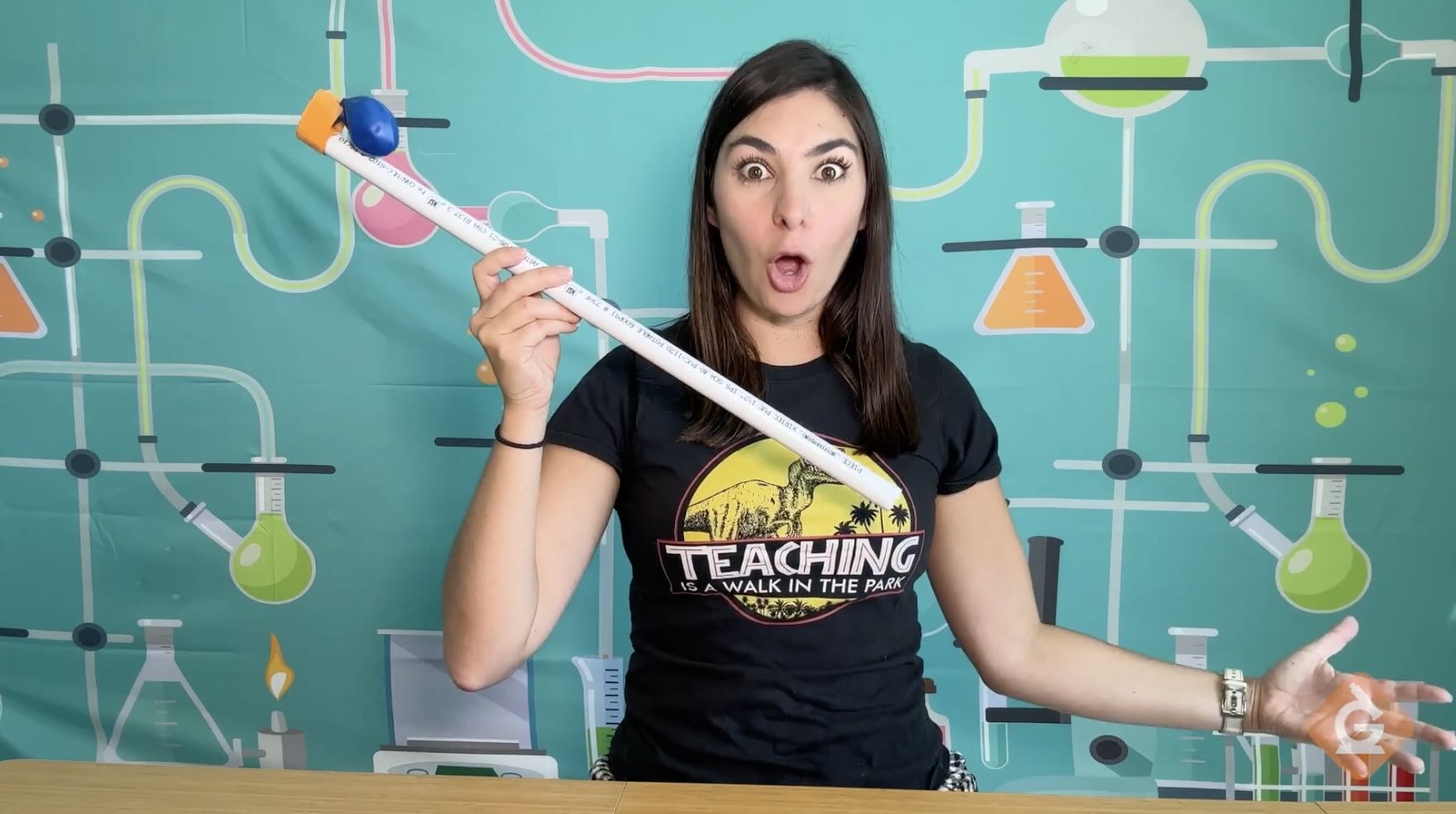
Scientists don’t stop after one try. Build another bugle with a shorter or longer pipe, or a different pipe width, change only one variable at a time, and compare whether the sound is higher or lower pitched

How It Works

Sound is made by vibrations, and those vibrations travel through the air as sound waves. When you let go of your bugle, air rushes out and makes the balloon membrane vibrate so quickly that your ears hear it as one continuous sound, like a horn. You can see and feel those vibrations when you lightly touch the balloon neck.

That is also why a football stadium can get so loud that you can feel it. When thousands of people cheer, their voices create vibrations that travel through the air as sound waves, and those waves reach your ears as the horns, hooting, and hollering of the game.

Not all sound waves are the same. Frequency is how quickly an object vibrates. Faster vibrations make higher-pitched sounds, and slower vibrations make lower-pitched sounds. Changing the size of your PVC pipe changes the sound your bugle makes, so a shorter or longer pipe lets you compare higher and lower pitches.

Try it yourself: Make another bugle with a shorter or longer pipe, or a different pipe width, and change only one variable at a time. Predict whether each change will make the sound higher or lower before you test it.
X
Success
We’ve sent you an email with instructions how to reset your password.
Ok
x
Choose Your Free Trial Period
3 Days

3 days to access to all of our teaching resources for free.

Continue to Lessons
14 Days

Get 14 days free by inviting other teachers to try it too.

Share with Teachers
Get 14 Days Free
By inviting 4 other teachers to try it too.
4 required

*only school emails accepted.

Skip, I will use a 3 day free trial

Thank You!

Enjoy your free 14 days trial