


1%
Processing, please wait...
It was processed successfully!
Login Create Free Account
en | es

Pumpkin Patch Coordinate Plane Fall Math Activity

Autopause

Materials

Painter's tape
Painter's tape
5 mini pumpkins in different colors (or toys)
Open floor or sidewalk space
Optional: paper and pencil

Instructions

STEP 1

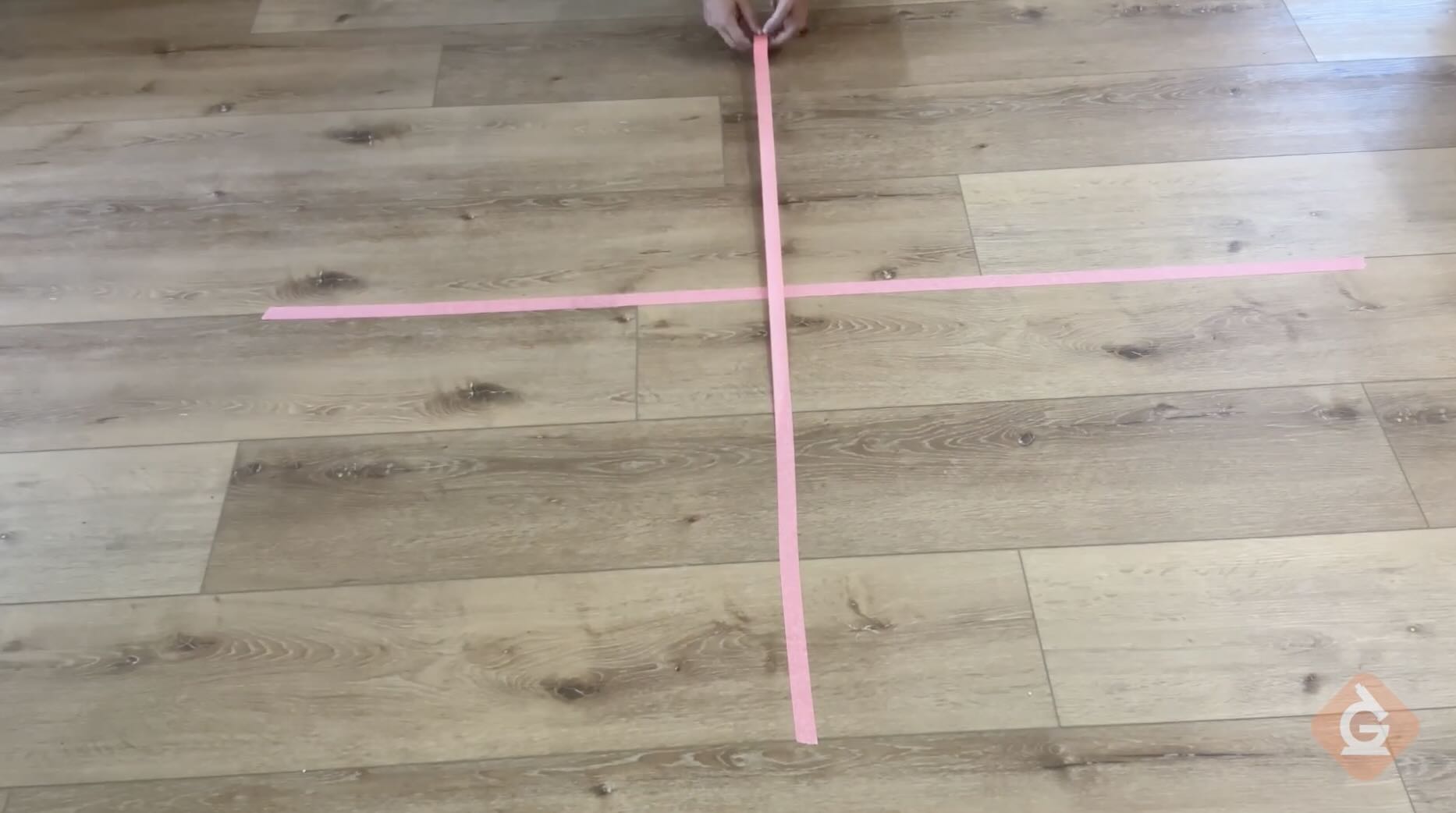
Use painter’s tape to make a coordinate plane on the floor or sidewalk. Tape one horizontal line (the x-axis) and one vertical line (the y-axis) that cross in the middle.
STEP 2

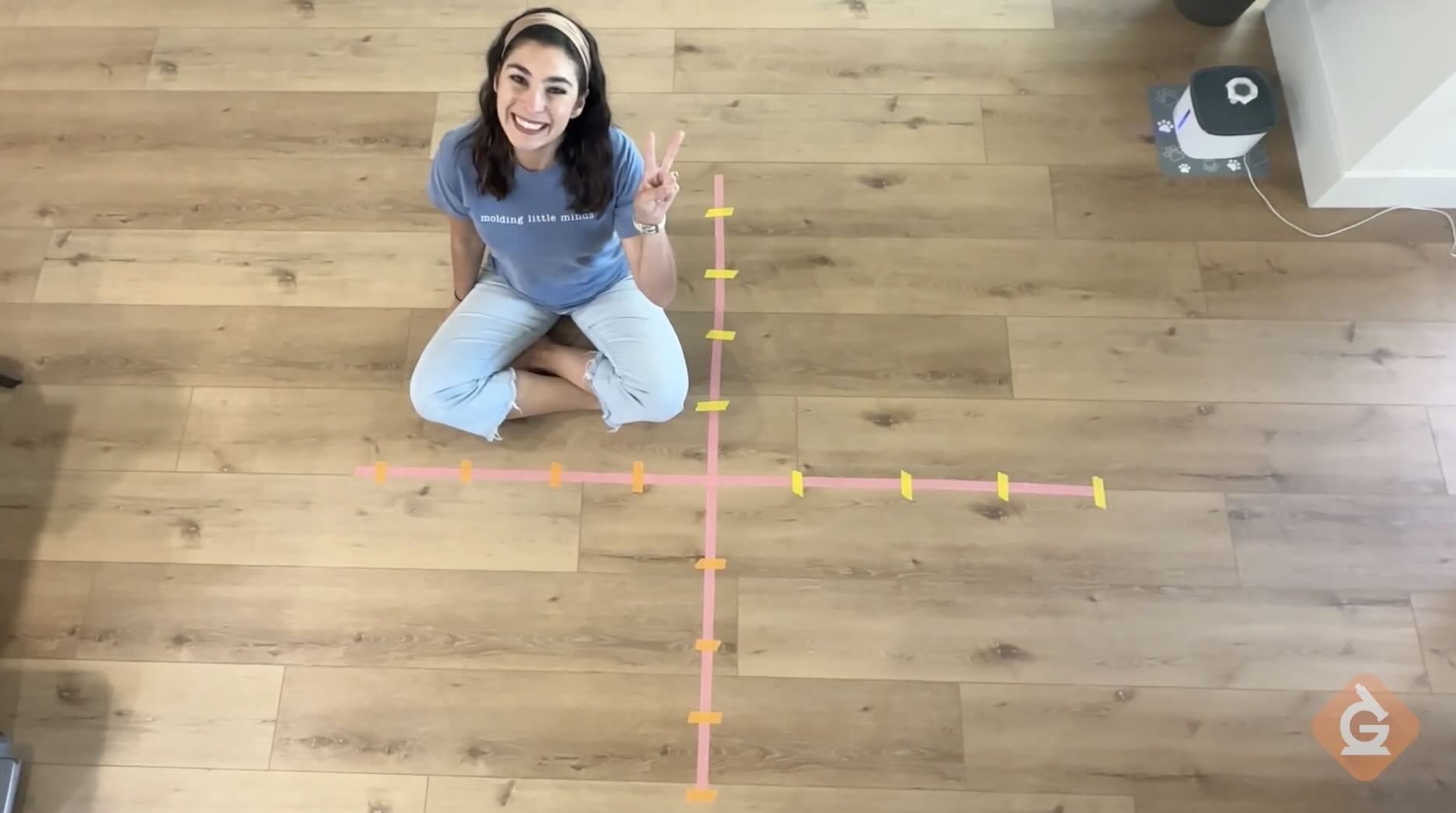
Next, add small tape marks at equal spaces along each line. The point where the lines cross is the origin, (0, 0)
STEP 3

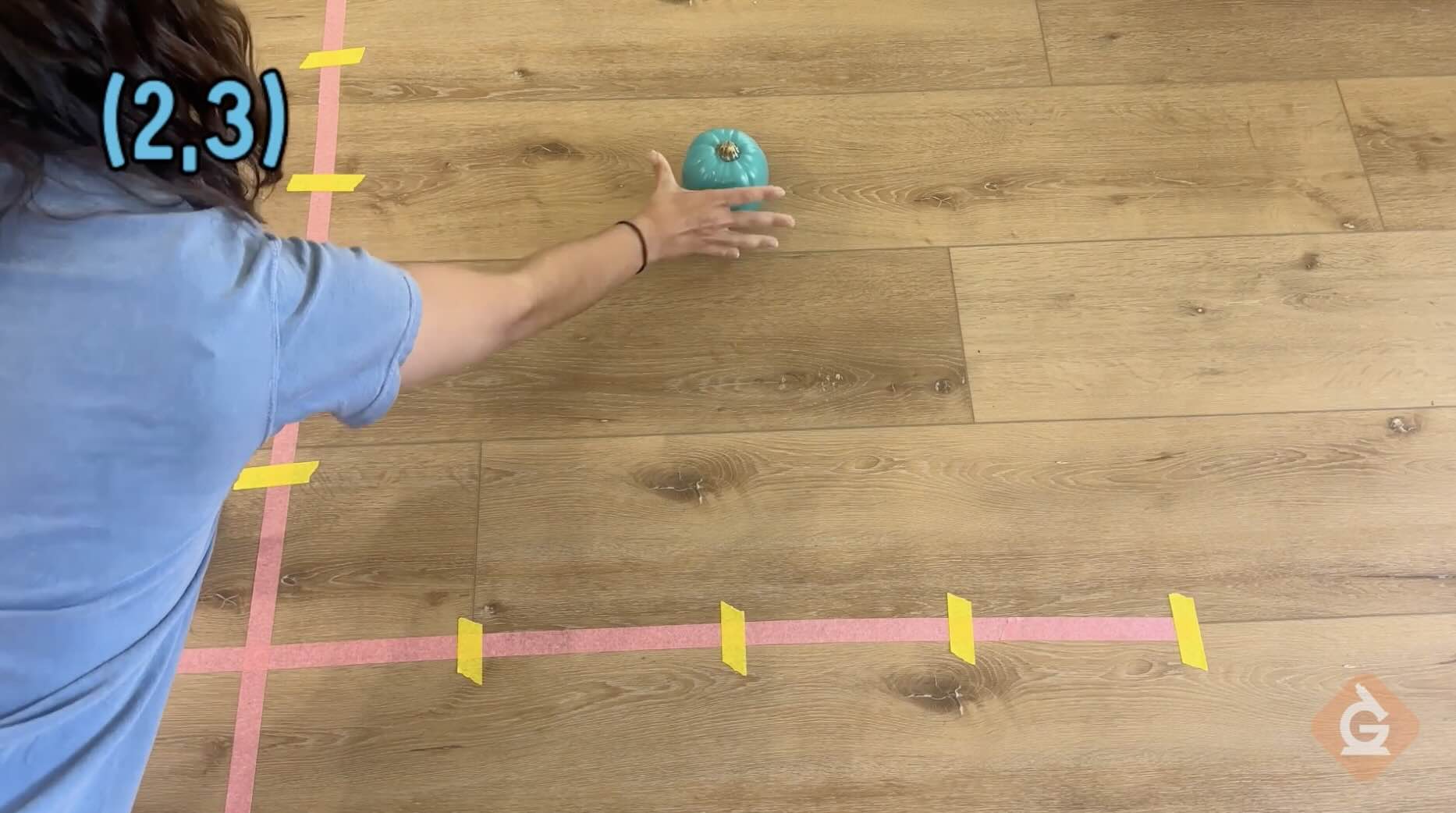
For Round 1: Plant the first five pumpkins in Quadrant I, where all the numbers are positive. Start at the origin, (0,0), then move across for x, and up for y.
Use this table for each pumpkin’s address

STEP 4

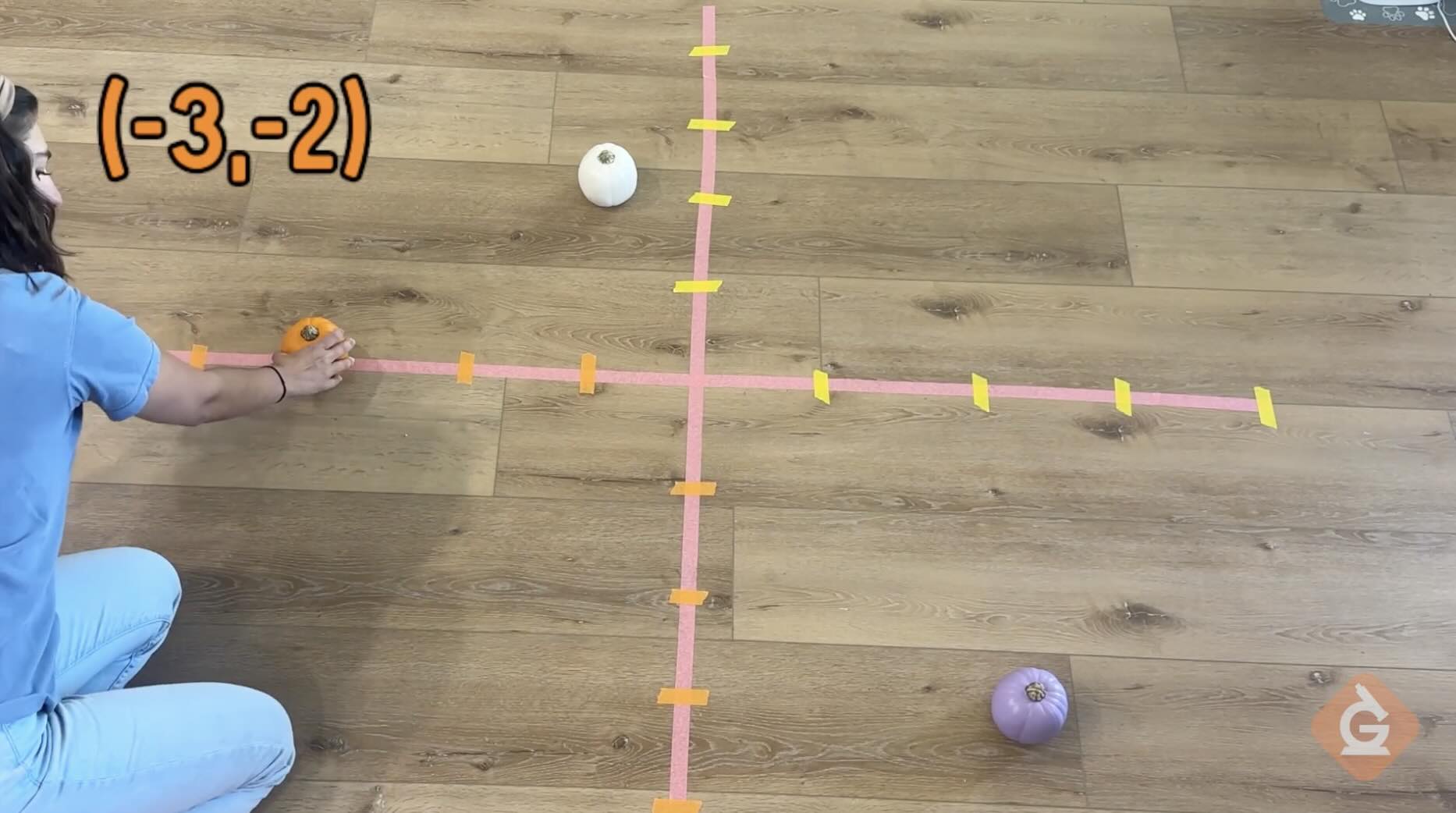
For Round 2: Plant all five pumpkins again with the ordered pairs that include negative numbers. Move along the x-axis first, then the y-axis. A pumpkin can also land between marks, like (-1, 2.5), which sits halfway between 2 and 3.
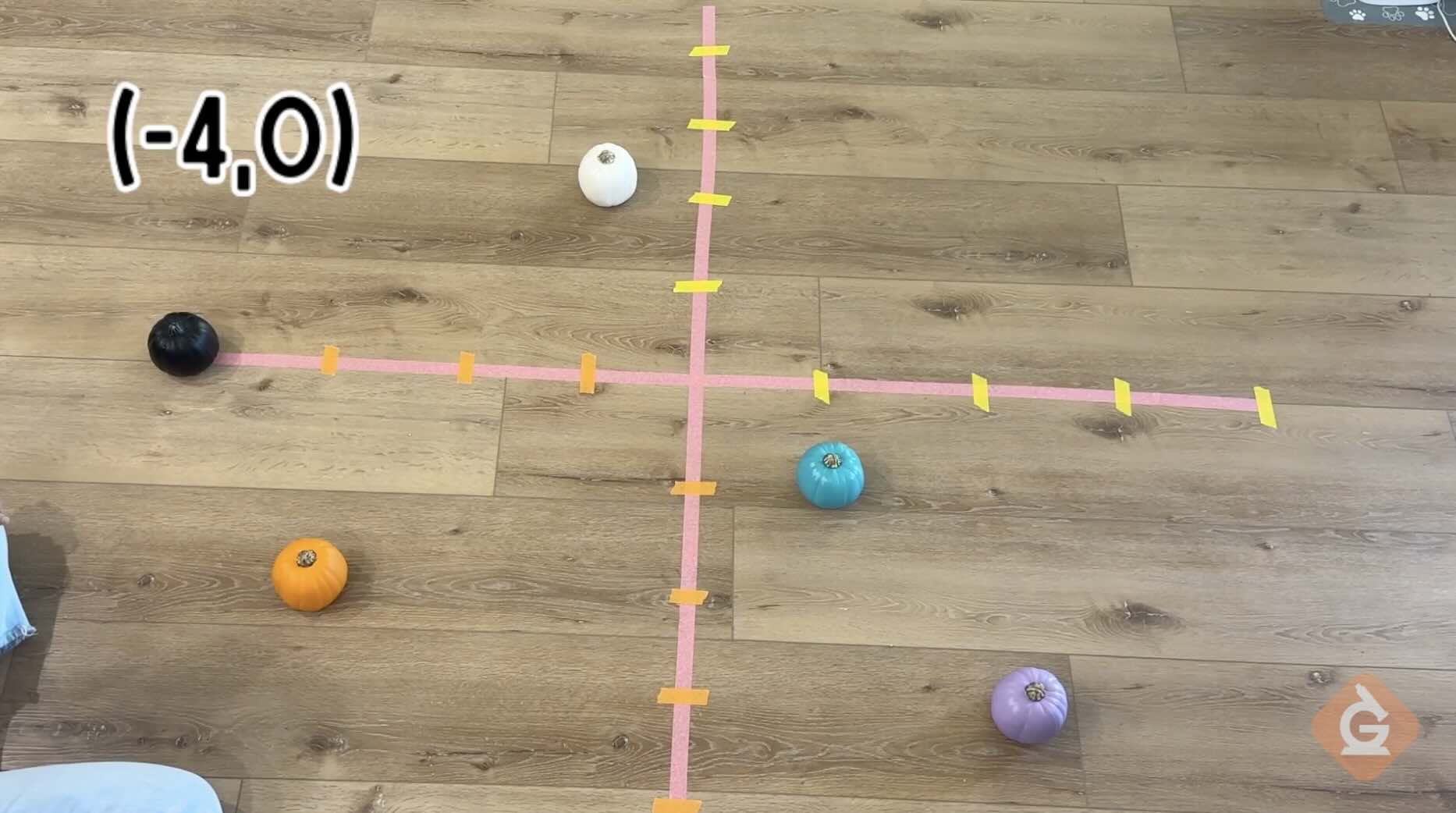
STEP 5

Observe: which quadrant does each pumpkin live in? What do you notice about the signs of x and y in each quadrant? Which pumpkin doesn’t live in any quadrant, and why?

STEP 6

Scientists and mathematicians don’t stop after one try. Trade jobs with a partner: one person writes an ordered pair and the other plants the pumpkin. Then move the pumpkins and write the new address for each one.

How It Works

A coordinate plane is a grid made from two number lines that cross at right angles. The horizontal line is the x-axis, and the vertical line is the y-axis. They meet at the origin, (0, 0), where everything starts. The axes split the plane into four quadrants.

An ordered pair, written (x, y), is an address that tells you exactly where a point belongs. The order matters: x always comes first, so you move across first, then up or down. On the x-axis, positive numbers go to the right and negative numbers go to the left. On the y-axis, positive numbers go up and negative numbers go down.

The signs of the numbers tell you the quadrant. Quadrant I has positive x and positive y, Quadrant II has negative x and positive y, Quadrant III has negative x and negative y, and Quadrant IV has positive x and negative y. A point with a 0 in its ordered pair sits on an axis, so it isn't in any quadrant. Numbers between whole numbers, like 2.5, land halfway between two marks.

Coordinates are a math language people use to describe where things are with great accuracy. You use the same idea when you find a spot on a map.

Try it yourself: Make up five new ordered pairs, including some with negative numbers and decimals. Predict which quadrant each one will land in, then plant your pumpkins to check.
X
Success
We’ve sent you an email with instructions how to reset your password.
Ok
x
Choose Your Free Trial Period
3 Days

3 days to access to all of our teaching resources for free.

Continue to Lessons
14 Days

Get 14 days free by inviting other teachers to try it too.

Share with Teachers
Get 14 Days Free
By inviting 4 other teachers to try it too.
4 required

*only school emails accepted.

Skip, I will use a 3 day free trial

Thank You!

Enjoy your free 14 days trial